
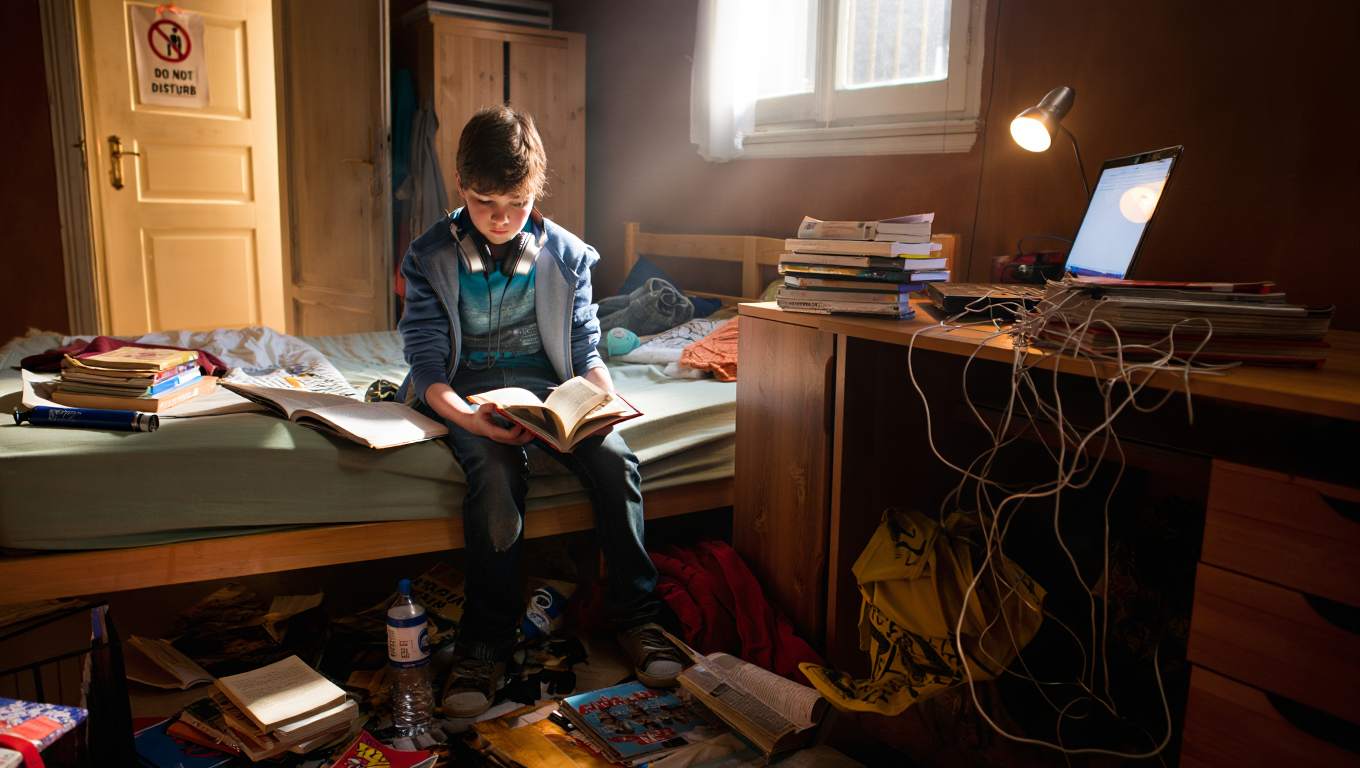
15 Clear Signs You Grew Up in a Toxic Family: How to Recognize the Hidden Impact on Your Adult Life
Growing up in a toxic family leaves marks that we often don’t see until we’re adults. Many of us struggle with worry, relationship problems, and feeling bad about ourselves. We might not realize these feelings come from our childhood.
Understanding the signs of a toxic upbringing helps us heal and stop bad patterns from continuing. Toxic family dynamics create lasting effects on how we see ourselves, connect with others, and move through life. These effects include constant worry, trouble saying no, always trying to please others, and feeling worthless.
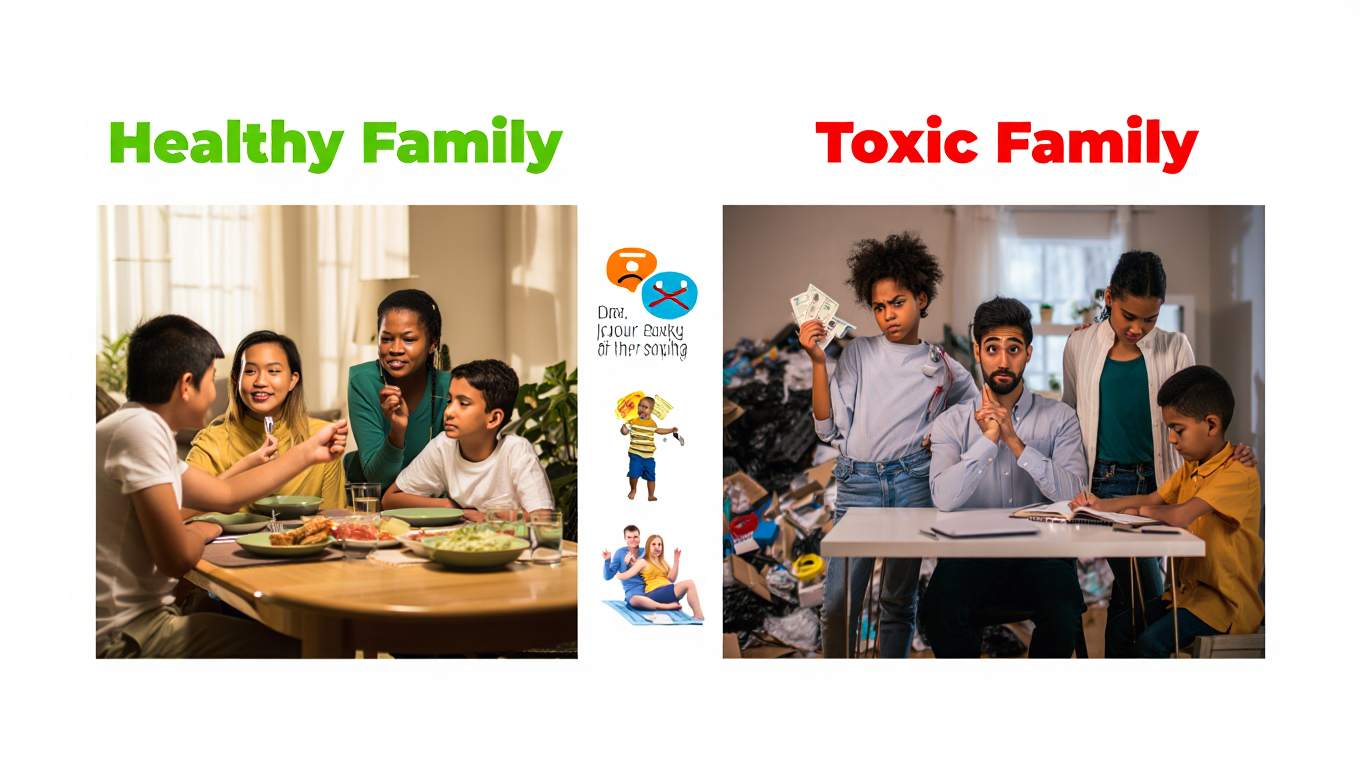
Unlike healthy families that make us feel safe and loved, toxic families use control, lies, ignoring our feelings, or hurt us. Recognizing these patterns isn’t about blaming our parents or family. It’s about understanding how our past shaped who we are today so we can make better choices for our future.
What Makes a Family Toxic?
A toxic family is one where unhealthy behaviors happen over and over again. These families don’t provide the love, support, and safety that children need to grow up healthy. Instead, they create an environment filled with fear, control, and emotional pain.
Toxic families often have parents who put their own needs first. They might ignore their children’s feelings, use guilt to control them, or make them feel responsible for adult problems. Some toxic families have addiction, mental illness, or abuse that nobody talks about.
The key difference between a difficult family and a toxic one is consistency. All families have problems sometimes. But toxic families have harmful patterns that never get fixed. Children in these homes learn to survive instead of thrive. They develop ways to cope that might help them as kids but hurt them as adults.
Understanding different types of toxic family dynamics can help you identify what happened in your own childhood. Some families are openly abusive, while others look perfect from the outside but are emotionally harmful behind closed doors.
How Do Toxic Families Affect Children Long-Term?
Children who grow up in toxic families often carry invisible wounds into adulthood. These wounds affect their mental health, relationships, and overall well-being for years to come.
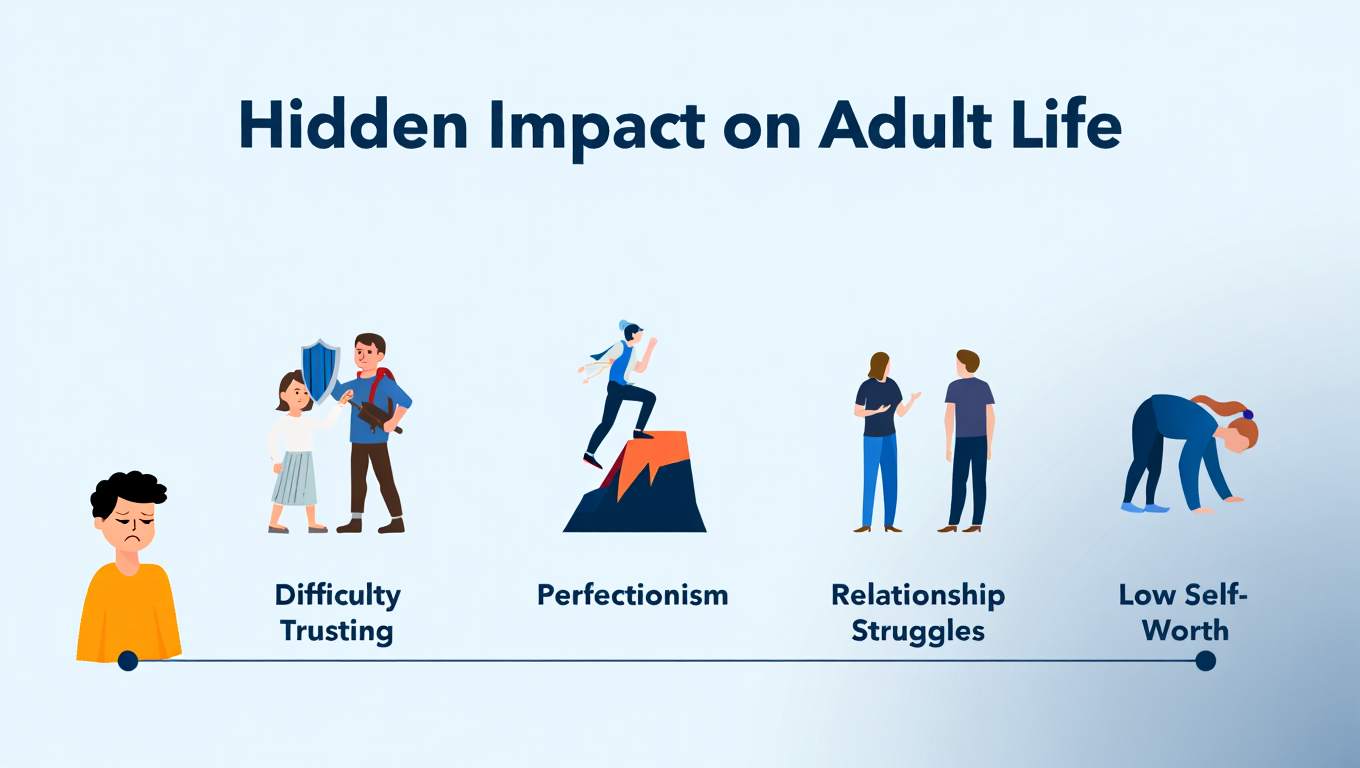
The most common long-term effects include anxiety, depression, and post-traumatic stress. Many adults from toxic families struggle with trust issues and have trouble forming healthy relationships. They might pick partners who treat them badly because that’s what feels familiar.
Self-esteem problems are another major effect. When parents constantly criticize, ignore, or blame their children, those kids grow up believing they’re not good enough. They might become people-pleasers who can’t say no, or perfectionists who are never satisfied with their achievements.
Some adults from toxic families also struggle with their identity. They spent so much time focusing on their family’s problems that they never learned who they really are or what they want from life. This can lead to feeling lost or empty as an adult.
Research shows that childhood trauma can even affect physical health. People who experienced toxic family environments are more likely to develop chronic illnesses, autoimmune disorders, and other health problems later in life.

15 Signs You Grew Up in a Toxic Family
1. Do You Feel Anxious Around Your Family?
Feeling anxious before or during family visits is a common sign of growing up in a toxic environment. This anxiety comes from past experiences of walking on eggshells around unpredictable family members.
You might notice your body tenses up when you get a call from certain family members. Your stomach might hurt before family gatherings, or you might feel the need to prepare yourself mentally for every interaction. This isn’t normal family nervousness – it’s your body remembering past trauma.
Many people from toxic families describe feeling like they need to be “on guard” around their relatives. They can’t relax and be themselves because they learned early that letting their guard down could lead to criticism, anger, or other forms of emotional harm.
If you find yourself dreading family events or making excuses to avoid them, this could be your mind’s way of protecting you from environments that still feel unsafe. Learning how to deal with toxic family members can help you manage these difficult relationships as an adult.
2. Were You Responsible for Adult Problems as a Child?
Being given adult responsibilities or being made to feel responsible for your parents’ emotions is called parentification, and it’s a clear sign of a toxic family dynamic.
Parentification happens when children are forced to act like adults before they’re ready. This might mean taking care of younger siblings, managing household finances, or comforting parents who should be comforting you. Some children become emotional caretakers, always trying to fix their parents’ problems or make them happy.
This role reversal robs children of their childhood and teaches them that their worth depends on how well they take care of others. As adults, these people often struggle to ask for help and feel guilty when they put their own needs first.
Signs of parentification include being called the “responsible one,” being told you’re “mature for your age,” or feeling like your family would fall apart without you. Children should be protected and cared for, not burdened with adult worries.
3. Do You Struggle with Boundaries?
Difficulty setting and maintaining boundaries is extremely common among people who grew up in toxic families where personal limits were not respected or acknowledged.
In healthy families, children learn that they have a right to privacy, personal space, and their own opinions. Toxic families often violate these basic rights. Parents might read their children’s diaries, enter their rooms without knocking, or dismiss their feelings and preferences.
As adults, people from these backgrounds often struggle to say no to unreasonable requests. They might let others take advantage of them or feel guilty for standing up for themselves. They may not even know what their own boundaries are because they were never allowed to have any.
Learning to set boundaries is crucial for healing. It’s about recognizing that you have the right to protect your time, energy, and emotional well-being. This includes the right to limit contact with family members who continue to be toxic.
4. Are You a People-Pleaser?
Excessive people-pleasing behavior often develops as a survival mechanism in toxic families where love and acceptance were conditional on “good” behavior.
People-pleasers learned early that they could avoid conflict, criticism, or abandonment by always putting others first. They became experts at reading people’s moods and adjusting their behavior accordingly. While this might have kept them safe as children, it becomes exhausting and unfulfilling as adults.
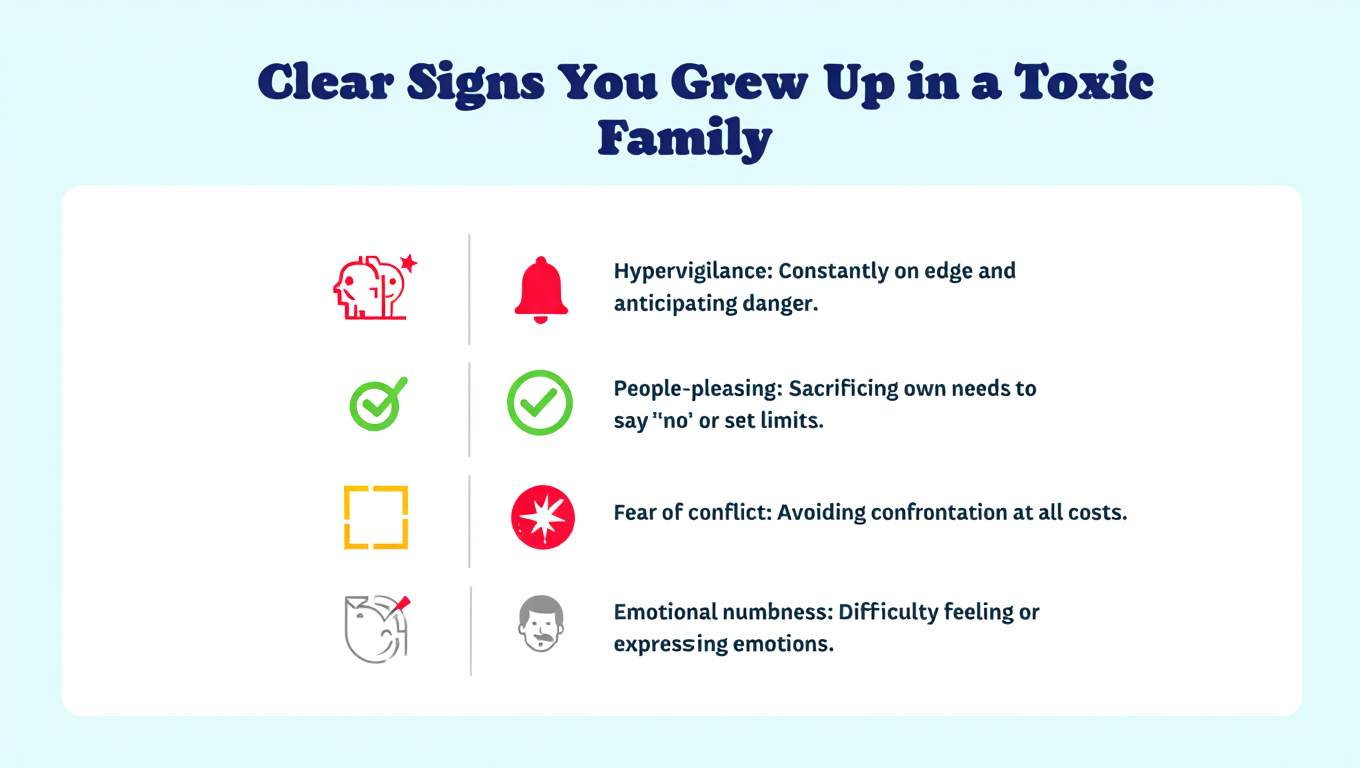
Signs of people-pleasing include difficulty saying no, constantly apologizing, avoiding conflict at all costs, and feeling responsible for everyone else’s happiness. People-pleasers often attract selfish people who take advantage of their giving nature.
Breaking free from people-pleasing means learning that you deserve love and respect just for being yourself, not for what you do for others. It’s about understanding that healthy relationships involve give and take, not just giving.
5. Do You Feel Like an Outsider in Your Own Family?
Feeling like you don’t belong or fit in with your family is common when your authentic self was rejected or criticized during childhood.
Many people from toxic families describe feeling like they were adopted or switched at birth. They might have different values, interests, or personalities from their family members. Instead of celebrating these differences, toxic families often try to force everyone to be the same or favor certain children over others.
This feeling of not belonging can be especially strong if you were the family scapegoat – the person who got blamed for everything that went wrong. Scapegoats are often the most emotionally healthy family members, but they’re punished for pointing out problems or refusing to go along with dysfunction.
As adults, people who felt like outsiders in their families might struggle with belonging anywhere. They might feel like they don’t fit in with friend groups or communities, even when they’re welcomed and accepted.
6. Were Your Emotions Dismissed or Criticized?
Having your feelings consistently invalidated or criticized is a form of emotional abuse that teaches children their emotions are wrong or unimportant.
Emotional invalidation happens when parents dismiss, minimize, or criticize their children’s feelings. They might say things like “You’re being too sensitive,” “Stop crying or I’ll give you something to cry about,” or “You shouldn’t feel that way.” This teaches children that their emotions are problems to be fixed rather than natural responses to be understood.
Children need their emotions validated to develop emotional intelligence and self-awareness. When parents consistently invalidate feelings, children learn to suppress or ignore their emotions. As adults, they might struggle to identify what they’re feeling or believe that their emotions don’t matter.
Some people from emotionally invalidating families become emotionally numb, while others become overwhelmed by emotions they were never taught to manage. Both responses can make relationships and daily life challenging.
7. Did You Have to Earn Love and Attention?
When love and attention are conditional on performance or behavior, children learn that they must constantly prove their worth rather than being loved for who they are.
In healthy families, children receive unconditional love. They know they’re valued simply for existing. In toxic families, love often comes with strings attached. Children might only receive praise when they get good grades, excel in sports, or behave perfectly.
This conditional love creates adults who are never satisfied with their achievements because they learned that love must be earned. They might become workaholics, perfectionists, or chronic overachievers who burn themselves out trying to prove they’re worthy of love.
The message “you have to earn love” is deeply harmful because it suggests that people aren’t inherently valuable. Healing involves learning that you deserve love and kindness simply because you exist, not because of what you accomplish.
8. Do You Attract or Stay in Toxic Relationships?
People who grew up in toxic families often find themselves in similar relationships as adults because dysfunction feels familiar and “normal” to them.
When toxic dynamics are all you’ve known, healthy relationships can actually feel uncomfortable or boring. You might unconsciously seek out partners who are emotionally unavailable, controlling, or abusive because that’s what love looked like in your family.
This pattern happens because we tend to repeat what we learned in childhood, even when it hurts us. Your brain might interpret drama and chaos as signs of passionate love, while stability and respect feel unfamiliar and suspicious.
Breaking this cycle requires recognizing these patterns and learning what healthy relationships actually look like. It means understanding that love shouldn’t hurt and that you deserve to be treated with kindness and respect. Learning about signs of toxic behavior in relationships can help you identify red flags early.
9. Do You Have Trust Issues?
Growing up in an environment where you couldn’t trust the people who were supposed to protect you naturally leads to difficulties trusting others as an adult.
Trust issues can show up in many ways. You might be suspicious of people’s motives, expect to be disappointed or abandoned, or have trouble opening up to others. Some people become hypervigilant, constantly looking for signs that someone is going to hurt them.
These trust issues aren’t character flaws – they’re protective mechanisms that developed in response to real betrayals. When parents lie, break promises, or fail to protect their children, those children learn that people can’t be trusted.
Understanding trust in relationships and rebuilding your ability to trust is a gradual process that often requires professional help. It involves learning to distinguish between trustworthy people and those who aren’t, while also healing the wounds that make trust feel so dangerous.
10. Are You Highly Self-Critical?
Excessive self-criticism often develops when children internalize the critical voices of their toxic family members and continue that harsh inner dialogue as adults.
If you grew up hearing constant criticism, blame, or comparisons to others, you likely developed an inner critic that never stops. This voice might tell you that you’re not good enough, that you’ll never succeed, or that you’re stupid for making mistakes.
Self-criticism becomes a way of trying to prevent external criticism by beating others to the punch. If you criticize yourself first, maybe others won’t have the chance to hurt you. Unfortunately, this rarely works and usually just creates more suffering.
Learning to quiet your inner critic is essential for healing. This involves recognizing when you’re being unnecessarily harsh with yourself and practicing self-compassion instead. Remember that you would never talk to a friend the way you might talk to yourself.
11. Do You Feel Guilty for Having Needs?
Feeling guilty about having basic human needs is common when those needs were treated as burdens or inconveniences during childhood.
Children have legitimate needs for attention, affection, guidance, and support. In healthy families, parents meet these needs willingly and help children learn to meet their own needs as they grow up. In toxic families, children’s needs are often seen as problems or sources of stress.
Parents might complain about having to feed, clothe, or care for their children. They might make children feel guilty for needing help with homework or wanting emotional support. This teaches children that having needs makes them bad or selfish people.
As adults, these people often struggle to ask for help, even when they desperately need it. They might neglect their own needs while constantly helping others, or feel guilty when they spend money on themselves or take time to rest.
12. Were You Compared to Others Constantly?
Constant comparisons to siblings, cousins, or other children is a form of emotional abuse that damages self-esteem and creates unhealthy competition.
Toxic parents often use comparisons as a way to motivate their children or express their disappointment. They might say things like “Why can’t you be more like your sister?” or “Your cousin would never act this way.” These comparisons are meant to shame children into changing their behavior.
The problem with comparisons is that they teach children that their worth is relative rather than inherent. Instead of celebrating each child’s unique qualities, toxic families create hierarchies where some children are “better” than others.
This can create lifelong patterns of comparing yourself to others and never feeling good enough. You might constantly measure your success against other people’s achievements or feel jealous when others succeed. Building self-confidence involves learning to value your own journey and recognize your unique strengths.
13. Do You Struggle with Decision-Making?
Difficulty making decisions is common when children weren’t allowed to make age-appropriate choices or were criticized harshly for making “wrong” decisions.
In healthy families, children gradually learn decision-making skills by making small choices and learning from the consequences. Parents guide them through this process with patience and understanding. In toxic families, children might be controlled to the point where they never learn to trust their own judgment.
Some toxic parents make all decisions for their children, even into adulthood. Others criticize every choice their children make, creating fear around decision-making. Either way, children don’t develop confidence in their ability to make good choices.
As adults, these people might constantly second-guess themselves or seek approval from others before making decisions. They might be paralyzed by fear of making the “wrong” choice or rely too heavily on other people’s opinions.
14. Are You a Perfectionist?
Perfectionism often develops as a coping mechanism in families where mistakes were met with harsh criticism, anger, or withdrawal of love.
Perfectionism isn’t about having high standards – it’s about the fear of not being good enough. Perfectionists believe that they must be flawless to be worthy of love and acceptance. They often procrastinate because they’re afraid of doing something imperfectly, or they work obsessively to avoid any possibility of criticism.
In toxic families, mistakes are often treated as character flaws rather than learning opportunities. Children learn that being “good enough” isn’t actually good enough – they must be perfect to avoid punishment or rejection.
This perfectionism becomes exhausting and self-defeating as an adult. Perfectionists often struggle with anxiety, depression, and burnout because they set impossible standards for themselves. Learning to accept “good enough” and embrace mistakes as part of learning is crucial for recovery.
15. Do You Feel Responsible for Others’ Emotions?
Feeling responsible for managing other people’s feelings is common when children were blamed for their parents’ emotional states or were expected to regulate family emotions.
In healthy families, adults manage their own emotions and help children learn to manage theirs. In toxic families, children often become emotional caretakers who feel responsible for keeping everyone happy and calm. They might be told things like “You’re making Mommy sad” or “Look what you’ve done to your father.”
This creates adults who constantly monitor other people’s moods and adjust their behavior to keep everyone comfortable. They might feel guilty when others are upset, even when they had nothing to do with causing those feelings.
Learning that you’re not responsible for other people’s emotions is liberating but challenging. It means setting boundaries around emotional caretaking and allowing others to experience their feelings without trying to fix them.
Common Family Roles in Toxic Households
Toxic families often assign specific roles to different family members. Understanding these roles can help you recognize patterns from your own childhood:
The Scapegoat gets blamed for everything that goes wrong in the family. They’re often the most emotionally aware family member, but are punished for pointing out problems or refusing to participate in dysfunction.
The Golden Child can do no wrong in the parents’ eyes. They receive special treatment but often feel pressure to be perfect and may struggle with their own identity outside of their favored status.
The Lost Child tries to avoid conflict by becoming invisible. They might spend a lot of time alone, excel academically, or develop rich inner worlds as an escape from family chaos.
The Caretaker takes responsibility for everyone else’s needs and emotions. They often become the family therapist, mediator, or the one who holds everything together.
The Mascot uses humor or entertainment to distract from family problems. They might be the class clown or the one who always tries to lighten the mood during tense situations.
These roles can overlap, and children might switch between them depending on the situation. Understanding your role can help you recognize how it shaped your adult behavior and relationships. When dealing with disappointment from family members who continue to expect you to play these roles, remember that healing from disappointment is part of your recovery journey.
The Impact on Adult Relationships
Growing up in a toxic family affects how we connect with others throughout our lives. These early experiences become the blueprint for what we think love and relationships should look like.
Many adults from toxic families struggle with intimacy. They might be afraid of getting too close to people because they expect to be hurt or abandoned. Others might become clingy or possessive because they never learned what healthy attachment looks like.
Communication problems are also common. If you grew up in a family where yelling, silent treatments, or manipulation were normal, you might not know how to have healthy disagreements or express your needs clearly. You might avoid conflict altogether or become explosive when frustrated.
Some people from toxic families become attracted to partners who recreate familiar dynamics, even when those dynamics are harmful. They might choose emotionally unavailable partners, controlling, or abusive, because that’s what feels like “love” to them.
Learning how to communicate better in relationships is essential for breaking these patterns. It involves unlearning unhealthy communication styles and practicing new ways of connecting with others.
Physical Health Effects of Toxic Family Trauma
The effects of growing up in a toxic family aren’t just emotional – they can also impact your physical health. Research shows that childhood trauma changes how our bodies respond to stress throughout our lives.
People who experienced childhood trauma are more likely to develop autoimmune disorders, chronic pain conditions, and cardiovascular problems. This happens because constant stress during childhood keeps the body’s alarm system activated, leading to inflammation and other health issues.
Sleep problems are also common among adults who grew up in toxic families. You might have trouble falling asleep, staying asleep, or getting restful sleep. This could be because your nervous system learned to stay alert for danger, making it hard to truly relax.
Digestive problems, headaches, and chronic fatigue are other common physical symptoms. Your body might hold tension in certain areas, or you might experience unexplained aches and pains that doctors can’t find a medical cause for.
Understanding the mind-body connection can help you recognize that these physical symptoms might be related to your childhood experiences. Working with healthcare providers who understand trauma can be helpful in addressing both the physical and emotional aspects of healing.
Breaking the Cycle: How to Heal from a Toxic Family
Healing from a toxic family background is possible, but it takes time, patience, and often professional help. The first step is recognizing that what happened to you wasn’t your fault and that you deserve better.
Therapy can be incredibly helpful for people from toxic families. A good therapist can help you understand how your childhood experiences shaped your adult behavior and teach you new ways of thinking and relating to others. Different types of therapy, like cognitive-behavioral therapy, EMDR, or family systems therapy, can address different aspects of healing.
Setting boundaries with toxic family members is often necessary for healing. This might mean limiting contact, refusing to engage in certain conversations, or even cutting contact entirely in severe cases. Remember that you have the right to protect your mental health, even if family members don’t understand or approve.
Personal growth tips can help you develop new skills and perspectives as you heal. This might include learning about healthy relationships, practicing self-care, or developing hobbies and interests that bring you joy.
Building a chosen family of friends and supportive people can help fill the gaps left by your biological family. These relationships can show you what healthy love and support look like and help you experience the acceptance you may have missed in childhood.
Signs of Healing and Recovery
Recovery from toxic family trauma is a gradual process, and it’s important to recognize the signs of progress along the way. You might notice that you’re becoming better at setting boundaries without feeling guilty or that you’re starting to trust your own judgment more.
Improved relationships are often a sign of healing. You might find yourself attracted to healthier partners or friends, or you might notice that your existing relationships are becoming deeper and more authentic. You might also become better at communicating your needs and handling conflict constructively.
Emotional regulation is another area where you might see improvement. You might find that you’re less reactive to triggers, better able to manage anxiety or depression, or more in touch with your authentic feelings. You might also notice that you’re developing a kinder inner voice and becoming less self-critical.
Physical symptoms might also improve as you heal emotionally. You might sleep better, have fewer headaches, or notice that chronic pain or digestive issues are getting better. This happens because healing trauma helps regulate your nervous system.
Self-compassion is perhaps the most important sign of healing. As you recover, you’ll likely become gentler with yourself, more forgiving of your mistakes, and better able to celebrate your progress. You’ll start to believe that you deserve love, happiness, and success.
When to Seek Professional Help
While some healing can happen on your own, many people benefit from professional help when recovering from toxic family trauma. Consider seeking therapy if you’re experiencing symptoms of depression, anxiety, or post-traumatic stress that interfere with your daily life.
If you’re having trouble maintaining healthy relationships, constantly finding yourself in toxic situations, or struggling with addiction or self-destructive behaviors, professional help can provide tools and support for change.
Thoughts of self-harm or suicide are always reasons to seek immediate professional help. If you’re having these thoughts, reach out to a mental health professional, crisis hotline, or emergency services right away.
Even if your symptoms aren’t severe, therapy can be beneficial for anyone who wants to understand themselves better and develop healthier patterns. Many people find that working with a therapist helps them heal faster and more completely than trying to do it alone.
Look for therapists who have experience with family trauma, childhood abuse, or complex PTSD. Different therapeutic approaches work better for different people, so don’t be afraid to try a few different therapists until you find one who feels like a good fit.
Frequently Asked Questions
Can toxic family behavior be changed?
Sometimes, but it requires the toxic family member to recognize their behavior and commit to change. Unfortunately, many people who create toxic family dynamics don’t see their behavior as problematic or refuse to take responsibility for their actions. You can’t force someone else to change, but you can change how you respond to them.
Is it okay to cut contact with toxic family members?
Yes, cutting contact with toxic family members is sometimes necessary for your mental health and well-being. This decision should be made carefully and often with professional guidance, but you have the right to protect yourself from ongoing harm, even from family members.
Will I pass toxic patterns to my own children?
Not necessarily, but it’s important to be aware of this possibility and work actively to break negative cycles. Many people who grew up in toxic families become excellent parents because they’re determined to do better. Therapy, parenting classes, and conscious effort can help you develop healthy parenting skills.
How long does it take to heal from toxic family trauma?
Healing is a lifelong process that happens at different rates for different people. Some people notice improvements within months of starting therapy or making changes, while others take years to work through deep-seated patterns. Be patient with yourself and celebrate small victories along the way.
Can I have a relationship with toxic family members while protecting myself?
Sometimes, but it requires strong boundaries and ongoing vigilance. This might involve limiting contact, avoiding certain topics of conversation, or meeting only in public places. Some people find this approach works for them, while others find that minimal or no contact is healthier. There’s no right answer that works for everyone.
Conclusion
Growing up in a toxic family creates wounds that can last well into adulthood, but recognizing these patterns is the first step toward healing. The signs we’ve discussed – from anxiety around family to difficulty trusting others – are common experiences for people who didn’t receive the love and support they needed as children.
Remember that experiencing these signs doesn’t mean you’re broken or that you’ll never be happy. Millions of people have healed from toxic family backgrounds and gone on to create fulfilling lives and healthy relationships. With awareness, support, and often professional help, you can break free from harmful patterns and develop the life you deserve.
The journey of healing isn’t always easy, but it’s worth it. You deserve to feel safe, loved, and valued for who you are. You deserve relationships that bring out the best in you and support your growth. Most importantly, you deserve to know that your past doesn’t have to define your future.
If you recognize yourself in these signs, consider reaching out for support. Whether that’s through therapy, support groups, trusted friends, or helpful resources that validate your experience, you don’t have to heal alone. Your story matters, your pain is valid, and your healing is possible.
Take the first step today toward the life you deserve. Remember, seeking help isn’t a sign of weakness – it’s a sign of strength and self-love. You’ve survived your toxic family background, and now you can thrive beyond it.


