250+ Use and Throw Quotes: Calling Out Disposable Relationships
Some people treat others like tissues — useful when needed, then tossed away without a second thought.
There’s a specific kind of hurt that doesn’t have a clean name. It’s not heartbreak exactly, though it feels like it. It’s not betrayal in the dramatic sense, though it cuts just as deep. It’s the slow, sinking realization that someone you cared about — someone you showed up for, stayed up late for, rearranged your life for — never actually saw you. They saw what you could do for them.
Use and throw relationships aren’t new, but they’ve become harder to spot in a world where everyone seems busy, everyone seems distracted, and genuine attention has become so rare that we mistake crumbs for a full meal. These use and throw quotes and quotes about being used by someone you love exist because sometimes the only way to make sense of that particular kind of pain is to see it named out loud — to read a sentence and think, yes, that’s exactly it.
Whether it happened with a friend who vanished the moment your life stopped being useful to them, a partner who made you feel chosen right up until they didn’t need you anymore, or a colleague who climbed over you without looking back — being treated as emotionally disposable leaves a mark. It shakes your sense of self, triggers self-doubt, and creates emotional wounds that don’t heal on their own timeline just because you want them to.
This collection of 250+ use and throw quotes is for anyone who has ever felt like a convenience rather than a choice. Whether you’re searching for being used and taken for granted quotes, one-sided relationship quotes, feeling unappreciated quotes, or simply words that finally say what you couldn’t — you’ll find them here. These quotes validate the hurt, name the dynamic, and quietly remind you that you deserve relationships where you are genuinely valued, not just occasionally useful.
Understanding Use and Throw Behavior
Before diving into the quotes, it helps to understand what’s actually happening when someone treats you this way — because one of the cruelest parts of being used is that it rarely feels obvious while it’s happening.
Use and throw behavior — what therapists sometimes describe as instrumental relating, transactional friendship patterns, or exploitative relationship dynamics — happens when someone keeps a relationship going only as long as it serves them. These aren’t always bad people in the traditional sense. Some of them are charming. Some are people you genuinely loved. What they share is a tendency to relate to others through the lens of what can I get from this person rather than who is this person and do they matter to me.
The really painful part is that they’re often extraordinarily warm and attentive when they want something. They make you feel seen, special, understood. And then, once their need is met — once the favor is done, the emotional crisis is over, the loan is repaid or simply forgotten — that warmth evaporates. You’re left wondering what you did wrong, not realizing yet that you didn’t do anything wrong at all.
This push-pull pattern — idealization when you’re useful, coldness when you’re not — shows up across one-sided friendships, exploitative romantic relationships, and transactional family dynamics alike. Understanding it for what it is, rather than blaming yourself for somehow failing to earn consistent care, is one of the most important first steps toward healing.
Signs You’re Being Used in a Relationship
Most people who have been used look back and realize the signs were there all along. Not always screaming — sometimes just whispering. Here are the patterns worth paying attention to, especially early in a relationship before you’re too emotionally invested to see clearly:
- They reach out almost exclusively when they need something — a favor, emotional support, money, advice, or access to your network — and contact dries up the moment the need is filled
- They almost never ask how you are doing in any genuine way. When they do, it feels like a formality before they get to their real point
- When you hit a rough patch and need support, they’re suddenly unreachable, overwhelmed with their own problems, or full of reasons why they can’t show up
- They show no real curiosity about your inner life — your fears, your goals, what keeps you up at night — unless it connects back to something useful for them
- The relationship has a predictable rhythm: intense and warm when they want something, distant and distracted once they have it
- They use guilt, quiet pressure, or emotional manipulation to make you feel like their needs are somehow your responsibility to fix
- Your feelings get minimized, redirected, or dismissed whenever you try to share them — a pattern known in psychology as emotional invalidation
- Every conversation somehow circles back to them. Not occasionally — consistently, predictably, always
- When you do the honest math, you realize you are giving dramatically more time, energy, and emotional labor than you ever receive
- Something about the dynamic has always felt slightly off, slightly hollow — and you’ve been explaining that feeling away for longer than you’d like to admit
The Impact on Self-Worth
This is the part people don’t always talk about openly. Being used doesn’t just hurt in the moment. It quietly rewires how you see yourself and how you relate to other people going forward. The damage is slow and cumulative, which is part of what makes it so hard to recognize.
Being used chips away at your self-esteem in ways you might not notice until you’re already deep in the hole — because the message being sent, over and over, is that you are only worth something when you are being useful to someone else. It creates a specific kind of self-blame that is incredibly hard to shake. You replay conversations obsessively, searching for the moment things went wrong, assuming it must have been something you did or didn’t do.
Over time, that self-blame quietly lowers your standards. You start accepting less because somewhere along the way you began believing that less is all you deserve. Trust becomes harder — not just with people who hurt you, but with genuinely kind people who come after them, because your nervous system has learned to expect the pattern to repeat. Many people don’t realize how deeply a use and throw relationship has affected them until they find themselves flinching at ordinary kindness, or feeling vaguely suspicious whenever someone is unexpectedly warm. That hypervigilance is not a character flaw. It’s a completely understandable response to being taught, repeatedly, that warmth comes with conditions attached.
250+ Use and Throw Quotes
Being Used and Discarded (1–30)
These quotes speak directly to the experience of being treated like an object — something to be picked up when convenient and set down when not. If you have ever felt like someone’s temporary fix, emotional stepping stone, or backup option, these words will land somewhere familiar.
- “I’m not a Band-Aid you can use when you’re hurt and throw away when you heal.”
- “Some people use others like tissues — handy when needed, disposable when done.”
- “You treated me like a convenience store — open when you needed something, invisible otherwise.”
- “I was your stepping stone, not your destination.”
- “You used me like a spare tire — only valuable when everything else failed.”
- “I’m not your emergency contact for emotional support only.”
- “You collected my kindness like coins and spent it on someone else.”
- “I was your temporary solution to a permanent problem.”
- “You treated me like a free trial — used me up, then moved on to something better.”
- “I’m not your emotional ATM — you can’t withdraw support without ever making deposits.”
- “You used me as a bridge and burned it the moment you crossed over.”
- “I was never your priority — just your option when nothing better was available.”
- “You borrowed my heart with no intention of ever returning it.”
- “I’m not a rental service for your emotional convenience.”
- “You used me like a ladder — climbed to where you needed to be and left me behind.”
- “I was your placeholder until something better came along.”
- “You treated me like a disposable camera — captured what you needed, then tossed me away.”
- “I’m not your backup plan or your second choice.”
- “You used my love like cheap fuel — burned through it recklessly with no care for the cost.”
- “I was your weatherman — only noticed when you needed to predict the storm.”
- “You treated me like a library book — borrowed me, used me, then returned me without thanks.”
- “I’m not your emotional garbage disposal.”
- “You used me like a charger — plugged in when your battery was low, unplugged once you were full.”
- “I was your temporary fix for a broken life.”
- “You treated me like a vending machine — fed me coins and expected immediate satisfaction.”
- “I’m not your crisis hotline that you only call during emergencies.”
- “You used me like a taxi — hopped in when you needed a ride, got out when you reached your destination.”
- “I was your convenience, not your choice.”
- “You treated me like a disposable razor — used until dull, then discarded without a second thought.”
- “I’m not your seasonal decoration that you bring out when it suits you.”

Recognizing Toxic Users (31–60)
Learning to recognize the people who treat relationships as transactions is one of the most protective things you can do for yourself. These quotes capture the behavioral patterns of users — the ones who mistake your generosity for an unlimited resource and your kindness for something they’re entitled to.
- “Users don’t ask how you are, they ask what you can do for them.”
- “Some people only remember your name when they need a favor.”
- “A user’s favorite word is ‘please’ until they get what they want.”
- “They treat relationships like transactions — what can you give them today?”
- “Users are experts at making their problems your emergency.”
- “Some people collect friends like tools — each one serves a different purpose.”
- “Users love generous people because they’re easy to exploit.”
- “They remember every favor you owe them but forget every one they owe you.”
- “Users are always the victim in their story, never the villain in yours.”
- “They have time for you only when they need something from you.”
- “Users are professional guilt-trippers who make their needs your responsibility.”
- “They treat kindness like weakness and generosity like stupidity.”
- “Users have selective memory — they forget your help but remember your mistakes.”
- “They’re always in crisis but never available when you are.”
- “Users mistake your boundaries for selfishness and your needs for demands.”
- “They know exactly what to say to get what they want from you.”
- “Users are energy vampires who drain your resources and give nothing back.”
- “They treat your time like it’s free and your help like it’s owed.”
- “Users are experts at making you feel guilty for not giving more.”
- “They disappear when you need them but expect you to be available when they need you.”
- “Users love people with big hearts because there’s more to take.”
- “They treat your emotions like light switches — on when convenient, off when not.”
- “Users are always looking for what’s in it for them.”
- “They remember your phone number when they need money but forget it when you need support.”
- “Users treat relationships like rental agreements — temporary and convenient.”
- “They’re always the star of their drama but never want to hear about yours.”
- “Users love givers because takers recognize each other.”
- “They treat your problems like interruptions and their problems like emergencies.”
- “Users are loyalty thieves who take but never give back.”
- “They love you most when you’re most useful to them.”
Self-Worth and Boundaries (61–90)
There comes a point where you stop explaining yourself and start protecting yourself. These quotes are for that turning point — the moment you realize your kindness was never the problem, and your boundaries are not something you need to apologize for.
- “I’m not a doormat disguised as a nice person.”
- “My kindness is a gift, not a service you can demand.”
- “I refuse to be someone’s convenient option.”
- “I’m closing the store — I’m no longer open 24/7 for your convenience.”
- “I’m not a rehabilitation center for selfish people.”
- “My time and energy are not free samples.”
- “I’m putting up a ‘closed’ sign on my endless availability.”
- “I refuse to be anyone’s emotional dumping ground.”
- “I’m not responsible for fixing everyone else’s problems.”
- “I’m retiring from being everyone’s unpaid therapist.”
- “My worth is not determined by how useful I am to others.”
- “I’m not a 24-hour customer service department.”
- “I refuse to be treated like a convenience when I’m offering myself as a treasure.”
- “I’m not accepting applications for people who only want to take.”
- “My generosity has limits, and you’ve reached them.”
- “I’m not a charity case for emotional freeloaders.”
- “I refuse to be someone’s backup plan while they explore other options.”
- “I’m not a storage unit for other people’s problems.”
- “My boundaries are not suggestions, they’re requirements.”
- “I’m not responsible for managing everyone else’s emotions.”
- “I refuse to be the solution to problems I didn’t create.”
- “I’m not a vending machine that dispenses help on demand.”
- “My value doesn’t decrease based on someone’s inability to see it.”
- “I’m not accepting friendship applications from takers anymore.”
- “I refuse to be anyone’s emotional crutch.”
- “I’m not a bank that gives out unlimited emotional loans.”
- “My help comes with terms and conditions now.”
- “I refuse to be treated like a utility that should always be available.”
- “I’m not responsible for keeping everyone else happy at my expense.”
- “My kindness is not weakness, and my boundaries are not negotiable.”
Lessons Learned (91–120)
Some of the most important things we ever learn about ourselves come from the people who treated us badly. That doesn’t make what they did acceptable — it just means something valuable came out of something painful. These quotes are for the wisdom you earned the hard way.
- “I learned that not everyone deserves access to my kindness.”
- “Some people taught me to love myself by showing me how not to treat others.”
- “I discovered that saying no is a complete sentence.”
- “Some relationships taught me that my peace is more valuable than their presence.”
- “I learned to stop watering dead plants and focus on the ones that grow.”
- “Some people showed me that consistency is more valuable than intensity.”
- “I discovered that actions always tell the truth, even when words lie.”
- “Some experiences taught me that I can’t pour from an empty cup.”
- “I learned that reciprocity is not optional in healthy relationships.”
- “Some people taught me to value quality over quantity in relationships.”
- “I discovered that being alone is better than being used.”
- “Some situations taught me that my energy is sacred and shouldn’t be wasted.”
- “I learned that people show you who they are — believe them the first time.”
- “Some relationships taught me that I deserve the same energy I give.”
- “I discovered that protecting my peace is more important than keeping everyone happy.”
- “Some people taught me that loyalty should be mutual, not one-sided.”
- “I learned that I’m not responsible for other people’s happiness.”
- “Some experiences showed me that boundaries are acts of self-love.”
- “I discovered that I don’t have to earn love by being useful.”
- “Some relationships taught me that my worth isn’t measured by what I can provide.”
- “I learned that genuine people are rare and should be treasured.”
- “Some situations showed me that I deserve relationships where I’m valued, not used.”
- “I discovered that walking away from users is walking toward self-respect.”
- “Some people taught me that my needs matter too.”
- “I learned that healthy relationships require effort from both sides.”
- “Some experiences showed me that I attract what I accept.”
- “I discovered that I don’t owe anyone my unlimited availability.”
- “Some relationships taught me that love shouldn’t feel like a job.”
- “I learned that I can be kind without being a pushover.”
- “Some people showed me that I deserve better, and now I expect it.”
Moving Forward and Healing (121–150)
Healing from being used isn’t linear. Some days you feel free of it, and other days a small thing brings it all rushing back. These quotes are for both kinds of days — the ones where you feel strong and the ones where you’re just trying to keep going.
- “I’m healing from the people who treated me like I was replaceable.”
- “I’m learning to invest in people who invest in me.”
- “I’m building a life where I’m valued, not used.”
- “I’m choosing relationships where I’m wanted, not needed.”
- “I’m healing by surrounding myself with people who see my worth.”
- “I’m learning to say no without feeling guilty about it.”
- “I’m building boundaries that protect my energy and peace.”
- “I’m choosing quality over quantity in all my relationships.”
- “I’m healing by focusing on people who show up consistently.”
- “I’m learning that I don’t have to earn love by being useful.”
- “I’m building a circle of people who value me as a person, not a resource.”
- “I’m healing by prioritizing my own needs and happiness.”
- “I’m learning to recognize red flags before they become problems.”
- “I’m choosing relationships where respect is mutual and consistent.”
- “I’m healing by removing people who drain my energy.”
- “I’m learning that my worth isn’t determined by how much I give.”
- “I’m building a life where I’m appreciated, not taken for granted.”
- “I’m healing by setting standards and sticking to them.”
- “I’m choosing people who celebrate me, not just use me.”
- “I’m healing by putting myself first for once.”
- “I’m learning that healthy relationships feel peaceful, not exhausting.”
- “I’m building connections based on mutual respect and care.”
- “I’m healing by trusting my instincts about people.”
- “I’m choosing relationships where I feel valued and appreciated.”
- “I’m healing by letting go of people who don’t deserve my energy.”
- “I’m learning that I can be loving without being a doormat.”
- “I’m building a life where my kindness is matched and appreciated.”
- “I’m healing by surrounding myself with genuine, caring people.”
- “I’m choosing to invest my time and energy in people who invest in me.”
- “I’m healing by remembering that I deserve the same love I give.”
Wisdom About Fake Relationships (151–180)
Some relationships look real for a long time before you finally see them clearly. These quotes are for the moment the illusion breaks — when you realize that what you thought was a genuine connection was something far more conditional than you ever knew.
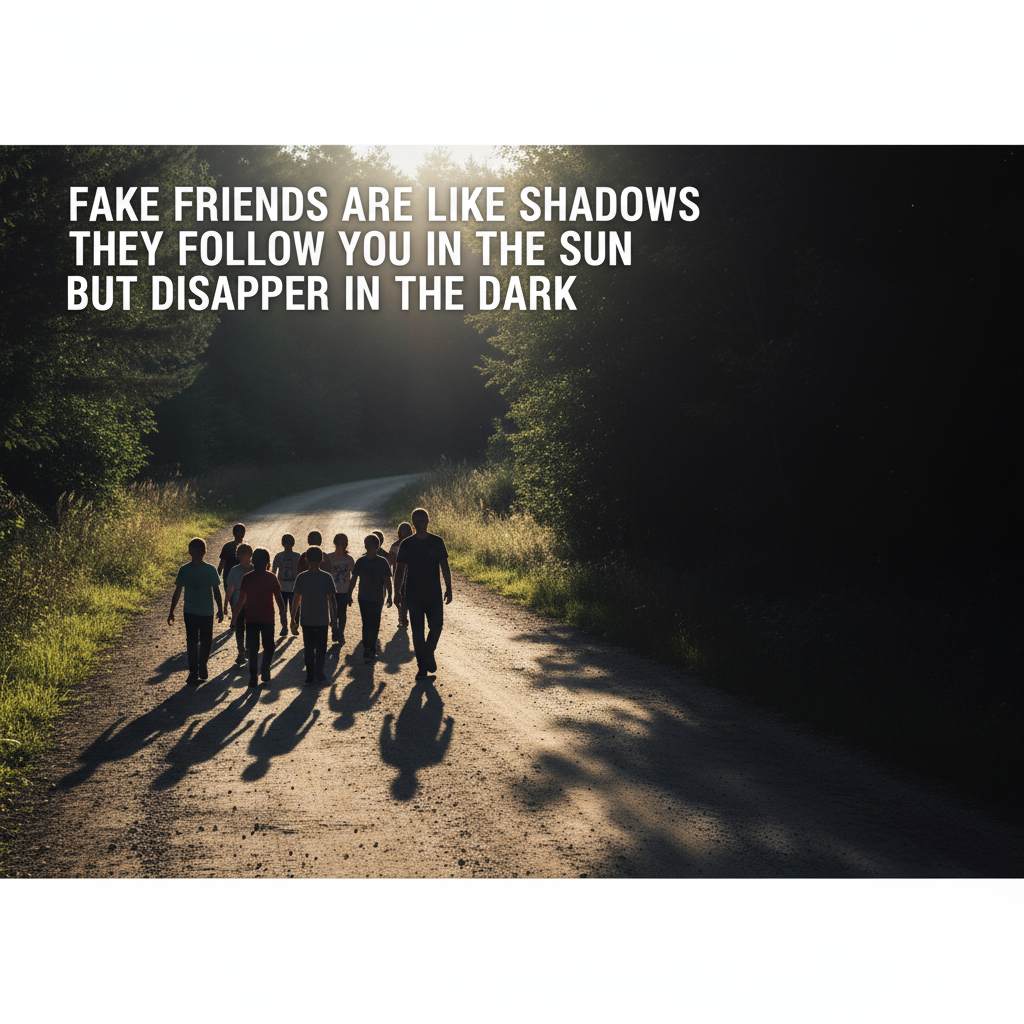
- “Fake friends are like shadows — they follow you in the sun but disappear in the dark.”
- “Some people are only loyal until loyalty becomes inconvenient.”
- “Fair-weather friends are abundant, but real ones are rare treasures.”
- “Some relationships are like mirages — they look real from a distance but disappear when you get close.”
- “Fake people have an image to maintain, real people just have a life to live.”
- “Some friends are like elevators — they’ll take you up but drop you when they find a better floor.”
- “Temporary people often disguise themselves as permanent fixtures in your life.”
- “Some relationships are built on convenience, not connection.”
- “Fake loyalty is worse than honest betrayal.”
- “Some people collect relationships like trophies but never value what they have.”
- “Seasonal friends show up when life is easy but disappear when it gets hard.”
- “Some people love the idea of you more than they love you.”
- “Conditional love always comes with an expiration date.”
- “Some relationships are transactions disguised as connections.”
- “Fair-weather supporters cheer for you until you need their help.”
- “Some people are friends with your success, not with you.”
- “Fake relationships crumble under pressure while real ones get stronger.”
- “Some people are only as loyal as their options allow them to be.”
- “Superficial connections feel meaningful until you need depth.”
- “Some relationships are built on what you can provide, not who you are.”
- “One-way streets masquerading as mutual highways.”
- “Some people are only invested in you as long as you’re useful.”
- “Fake connections are like cheap jewelry — they look good until they tarnish.”
- “Some relationships are rental agreements disguised as ownership papers.”
- “Surface-level friendships break easily under life’s pressures.”
- “Some people are tourists in your life, not residents.”
- “Conditional relationships always have hidden terms and conditions.”
- “Some connections are like borrowed time — temporary and not truly yours.”
- “Fake relationships are performances where everyone pretends to care.”
- “Some people are only present for the highlights, not the hard times.”
Empowerment and Self-Respect (181–210)
At some point the hurt shifts into something else — a quiet, firm decision that you are done accepting less than you deserve. These quotes are for that moment. The moment you stop waiting for someone to recognize your worth and start living like you already know it.
- “I’m done being everyone’s unpaid emotional labor provider.”
- “I refuse to beg for the bare minimum from anyone.”
- “I’m not accepting crumbs from people who could give me the whole meal.”
- “I’m closing the charity that was my heart to undeserving people.”
- “I refuse to make myself smaller to fit into someone else’s convenience.”
- “I’m not a rehabilitation center for people who don’t want to change.”
- “I refuse to be anyone’s emotional spare tire.”
- “I’m done making excuses for people who don’t respect me.”
- “I refuse to be the giver in a relationship of takers.”
- “I’m not responsible for teaching adults how to be decent human beings.”
- “I refuse to normalize toxic behavior by accepting it.”
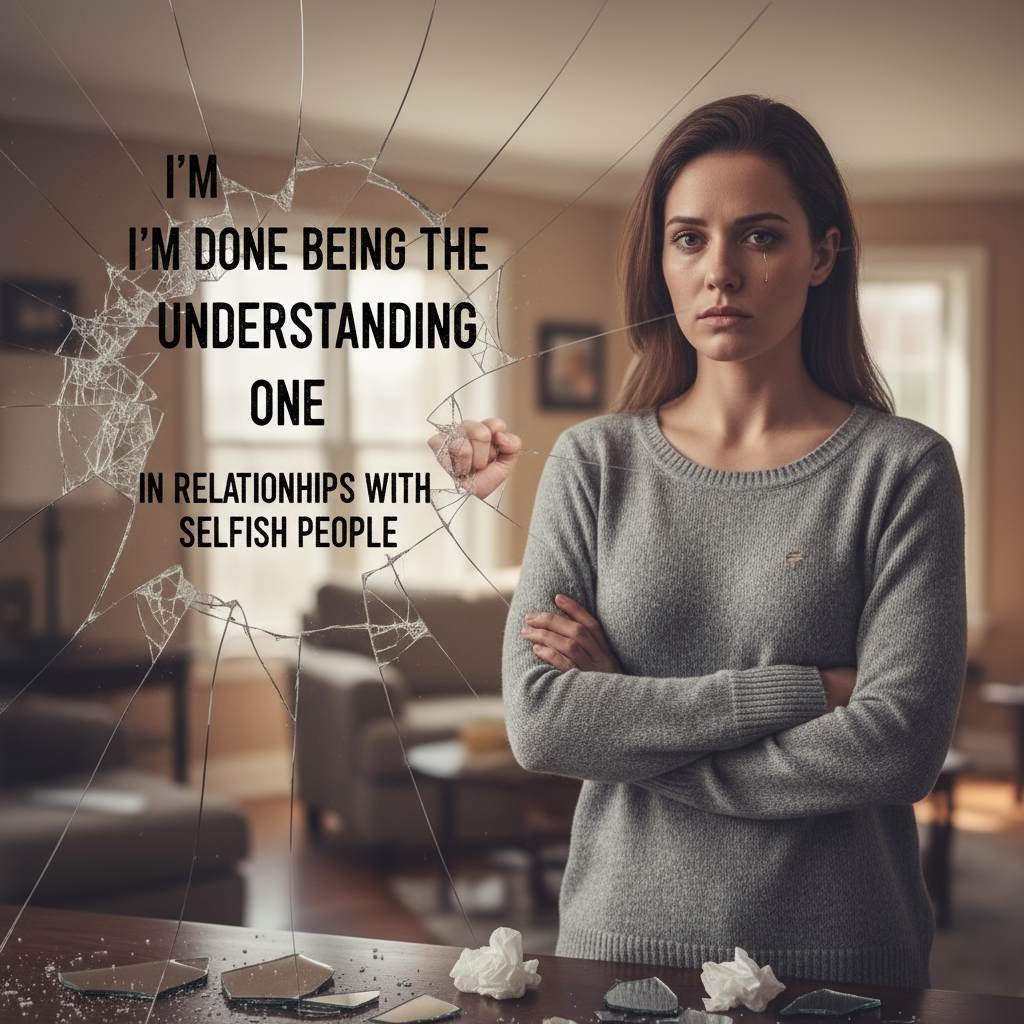
- “I’m done being the understanding one in relationships with selfish people.”
- “I refuse to compete for attention from people who should value me.”
- “I’m not accepting friendship applications from emotional users anymore.”
- “I refuse to be anyone’s backup plan while they explore other options.”
- “I’m done being the mature one in relationships with immature people.”
- “I refuse to chase people who are walking away from me.”
- “I’m not a convenience store for emotional needs.”
- “I refuse to accept inconsistency disguised as busy schedules.”
- “I’m done making myself available to people who are never available for me.”
- “I refuse to be anyone’s emotional punching bag.”
- “I’m not accepting half-hearted efforts from anyone anymore.”
- “I refuse to lower my standards to accommodate low-quality people.”
- “I’m done being the only one fighting for relationships.”
- “I refuse to be treated like an option by people I treat as priorities.”
- “I’m not a doormat with a welcome sign for disrespectful people.”
- “I refuse to accept breadcrumbs from people who could give me the whole loaf.”
- “I’m done being understanding with people who don’t try to understand me.”
- “I refuse to be anyone’s emotional ATM without reciprocation.”
- “I’m choosing self-respect over being accepted by people who don’t deserve me.”
Finding Genuine Connections (211–240)
After you’ve been through a use and throw relationship, the idea of trusting someone again can feel terrifying. But genuine connection does exist — it just looks and feels completely different from what you’ve been settling for. These quotes are a reminder of what real looks like.
- “Real friends show up without being asked.”
- “Genuine people are consistent in their care and concern.”
- “True connections are built on mutual respect and reciprocity.”
- “Authentic relationships feel effortless, not exhausting.”
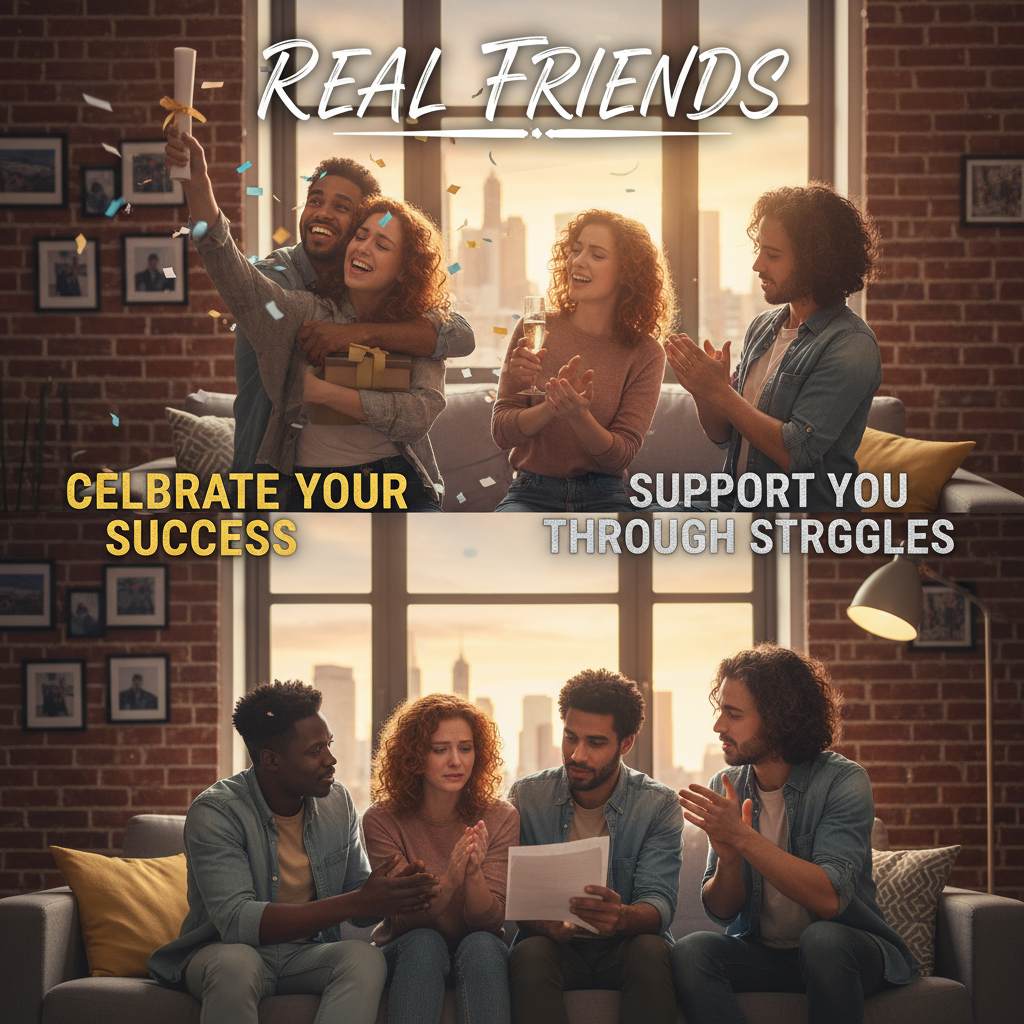
- “Real friends celebrate your success and support you through struggles.”
- “Genuine connections grow stronger during difficult times.”
- “True friends value your presence, not your presents.”
- “Authentic relationships are built on who you are, not what you can provide.”
- “Real connections feel safe, secure, and supportive.”
- “Genuine people are reliable, not just available when convenient.”
- “True friendship is a two-way street with equal traffic.”
- “Authentic connections require no performance or pretense.”
- “Real friends remember important details about your life.”
- “Genuine relationships involve mutual investment and care.”
- “True connections survive disagreements and misunderstandings.”
- “Authentic friends choose you repeatedly, not just occasionally.”
- “Real relationships are built on trust, respect, and genuine affection.”
- “Genuine connections feel natural, not forced or obligatory.”
- “True friends make time for you, not excuses about time.”
- “Authentic relationships involve equal give and take.”
- “Real connections are treasured and protected, not taken for granted.”
- “Genuine friends support your growth and celebrate your progress.”
- “True relationships add value to your life, not stress and drama.”
- “Authentic connections feel peaceful and energizing.”
- “Real friends love you for who you are, not what you do for them.”
- “Genuine relationships are investments, not expenses.”
- “True connections are chosen daily, not just when convenient.”
- “Authentic friends are present in your story, not just cameos in chapters.”
- “Real relationships are built to last, not just to benefit temporarily.”
- “Genuine connections are rare gifts that should be cherished and protected.”
Final Reflections on Self-Worth (241–250)
These last ten quotes are the ones to return to when you need a quiet reminder of something you already know, deep down, even on the days you forget it.
- “I am not a convenience item on the shelf of someone’s life.”
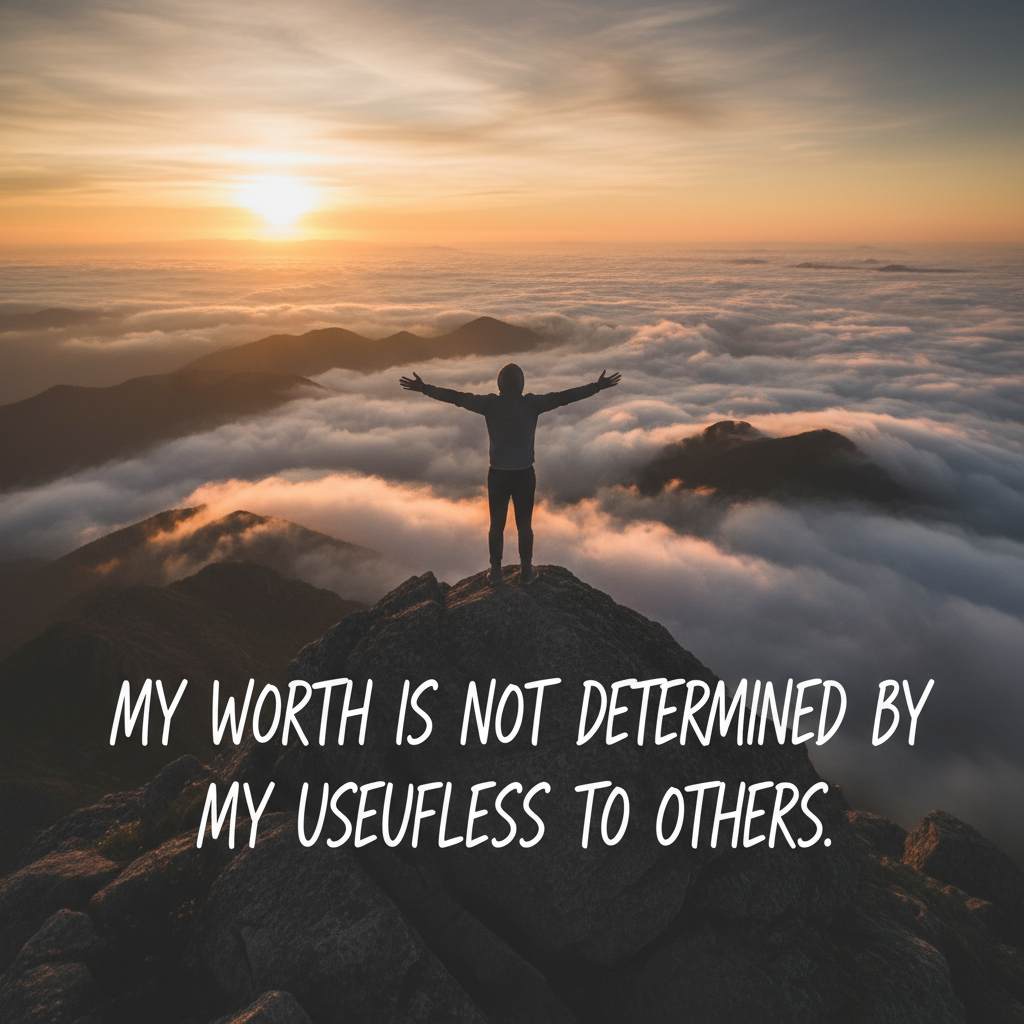
- “My worth is not determined by my usefulness to others.”
- “I deserve relationships where I’m valued, not just needed.”
- “I am choosing quality connections over convenient ones.”
- “My energy is precious and should be invested wisely.”
- “I deserve the same love, respect, and care that I give others.”
- “I am not responsible for filling voids in other people’s lives.”
- “My happiness should not depend on making others happy at my expense.”
- “I am worthy of genuine love and authentic connections.”
- “I choose to surround myself with people who see my value and choose me consistently.”
How to Recognize and Handle Users
Red Flags to Watch For
Learning to spot use and throw behavior early is genuinely one of the kindest things you can do for yourself. It’s not about becoming suspicious of everyone or closing yourself off — it’s about trusting the quiet signals your gut sends you when a dynamic doesn’t feel quite right. Pay attention when someone only contacts you around their needs, shows no real interest in your life, makes every conversation about themselves, or goes quiet the moment your usefulness runs out.
Understanding toxic relationship patterns can help you recognize these behaviors before you’re too invested to see them clearly. The earlier you notice, the less it costs you.
Setting Healthy Boundaries
Protecting yourself from users isn’t about being cold or guarded — it’s about being honest with yourself and other people about what you will and won’t accept. That means saying no without apologizing for it, allowing yourself to have needs without shame, and walking away from dynamics that ask everything of you while giving almost nothing back.
Learning about effective communication can help you express your limits clearly and build relationships with people who genuinely respect where you stand.
Building Self-Worth
Here is something worth saying plainly: people who feel secure in their own value are harder to exploit. Not because they’re unkind or unapproachable, but because they don’t need external validation badly enough to accept poor treatment in exchange for it. Building real self-worth — not the performative kind, but the quiet, steady kind — is one of the most protective things you can invest in.
Exploring resources on building self-confidence can help you develop the internal foundation you need to recognize when someone isn’t treating you right and feel settled enough in yourself to do something about it.
Healing from Being Used
Processing the Pain
Being used and discarded leaves real wounds, and those wounds deserve real time. Let yourself feel what you feel — the anger, the grief, the confusion, the embarrassment that you didn’t see it sooner. None of those emotions need to be rushed through or tidied away before you’re ready. Healing doesn’t follow a schedule, and forcing forgiveness before you’ve actually processed what happened usually just buries things rather than resolving them.
Consider exploring emotional healing techniques that give you space to work through the pain at your own pace, in ways that actually help.
Learning from the Experience
There is something worth salvaging from painful experiences, even when it feels impossible to find. Being used teaches you things about red flags you might have overlooked, about the difference between people who show up and people who perform, about what you actually need from a relationship versus what you’ve been conditioned to accept. That knowledge, earned the hard way, is genuinely valuable. It doesn’t make what happened okay. It just means something real came out of something that cost you.
Rebuilding Trust
Trust after being used is complicated. It doesn’t come back all at once, and it probably shouldn’t. When you’re ready — and only when you’re actually ready — start slowly, with people who earn consistency over time rather than demanding it upfront. Genuine trustworthiness reveals itself gradually, through small repeated actions, not grand gestures.
Learning about trust in relationships can help you understand how to open back up without leaving yourself unprotected while you do.
Creating Healthy Relationships
Mutual Respect and Reciprocity
The simplest way to describe a healthy relationship is that it feels like something you’re both building, not something one person is maintaining while the other benefits from it. Mutual respect means both people’s needs are taken seriously, both people’s time is valued, and neither person is consistently giving more than they receive. That reciprocity isn’t something you should have to negotiate or explain — it should simply be there.
Consistent Actions Over Words
Words are easy. Showing up is not. The most reliable measure of how much someone values you isn’t what they say when they want something — it’s what they do on the ordinary days, when there’s nothing particular to gain. Watch for consistency in small things. That’s where genuine care actually lives.
Quality Over Quantity
After a string of use and throw relationships, there can be a temptation to fill your life with people as a kind of reassurance. But surface-level connection doesn’t actually meet the need. A small circle of people who genuinely know you, choose you, and show up for you is worth far more than a large network of fair-weather acquaintances who are there for the good days only.
Final Thoughts
Use and throw relationships are painful in a way that’s hard to fully explain to someone who hasn’t been through one. They don’t just hurt your feelings — they make you question your own perception of reality, wonder if you imagined the warmth that was there, and ask yourself over and over what you did to deserve being discarded.
What you did was trust someone. And that is not something you should ever be ashamed of.
Someone’s decision to use and discard you says nothing about your worth and everything about their relationship with other people. It reflects a limitation in them — an inability or unwillingness to see another person as anything more than a resource. That’s not a verdict on you. It never was.
The work ahead — learning to recognize the patterns earlier, setting limits without guilt, building genuine confidence in your own value — isn’t easy, but it’s worth it. Not so you become someone who never gets hurt, but so you become someone who knows what they deserve and refuses to accept less.
You deserve to be chosen — not because of what you can offer, but because of who you are. You deserve relationships that feel steady, mutual, and real. And you deserve to surround yourself with people who see your value clearly and show up for it, consistently, long after there’s anything to gain.
You May Also Like
 Healthy Relationships
10 Ways to Be Happy in Your Life: Simple Habits That Can Help
 Family and Relationships
12 Reasons Why Marriage Is So Important
 Family and Relationships
How to Listen to Your Husband Without Trying to Fix Everything
 Family and Relationships
How We Strengthen Our Relationship in 24 Hours: A Real Couple’s Guide to a Healthy Relationship
 Friendship Quotes
200+ Thinking of You Quotes to Make Someone Feel Remembered
 Personal Motivation Quotes
137+ Disappointment Life Failure Quotes: Real Words to Help You Through Tough Times
 Personal Motivation Quotes
147+ Disappointment Some Things Never Change Quotes: Finding Wisdom in Life’s Unchanging Patterns
 Toxic Relationships
150+ Disappointment Relationship Priority Quotes: When You’re Not Their First Choice
 Things to Do