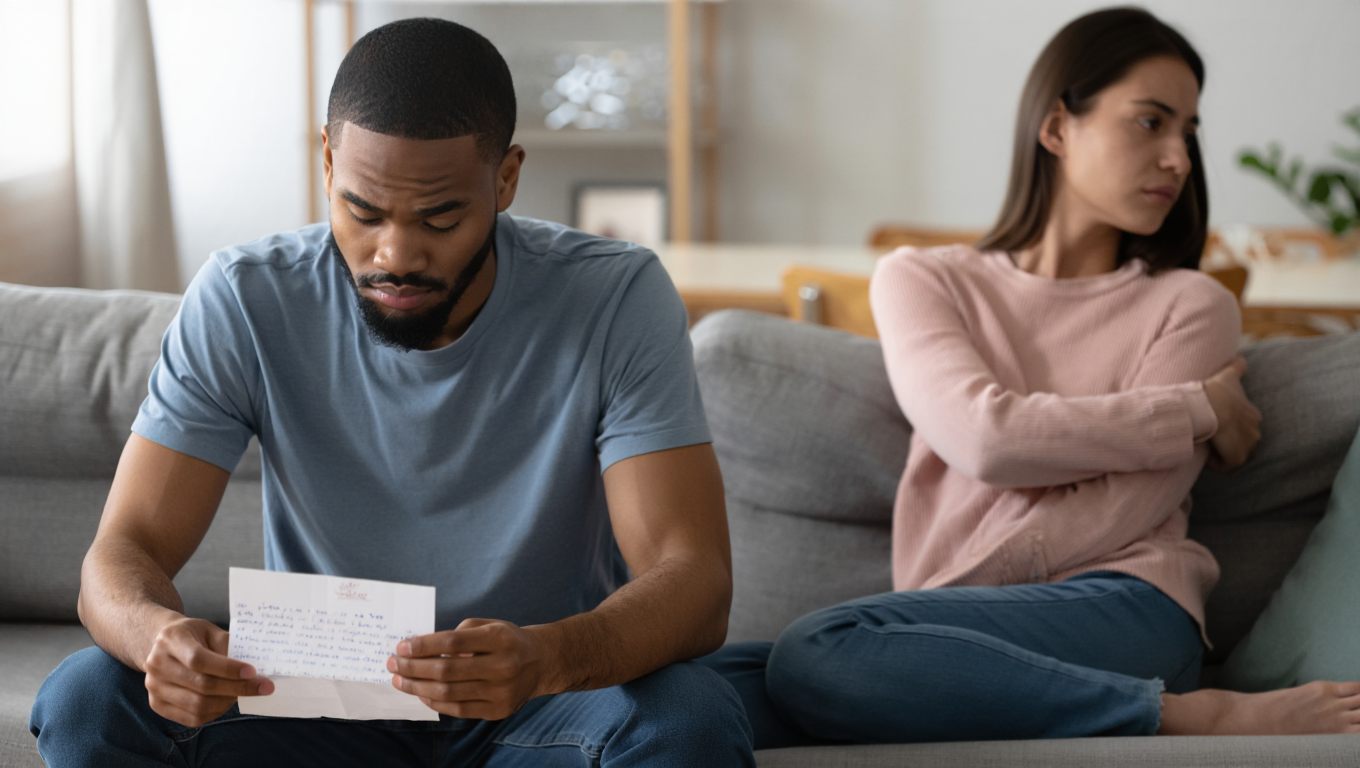
How to Apologize for Cheating and Lying Letter: Complete Guide With Templates and Examples
Writing an apology letter for cheating and lying is probably one of the hardest things you will ever sit down to do. Honestly, there is no magic formula that makes this easy. The words need to come from a real place inside you.
Here’s the truth. Your partner does not want a perfect letter. They want to see that you actually understand what you did. They want proof that you get how much pain you caused. A thoughtful letter can start the healing journey. It shows you respect them enough to put real effort into making things right.
This guide walks you through exactly how to apologize for cheating and lying letter in a way that feels genuine. You will find sample apology letter for cheating and lying, practical templates, and advice backed by relationship counselors. Every section gives you tools to express true remorse.
What Makes an Apology Letter for Cheating and Betrayal Actually Work?
A working apology letter has five parts: admitting what you did, owning your choices, showing real regret, promising real change, and giving your partner space to heal. In practice, most people skip one or two of these. That is why their apologies fall flat.
Relationship therapists point out that specific apologies beat vague ones every time. Saying “I’m sorry for everything” means nothing. Your partner needs to hear that you know exactly what went wrong.
The Gottman Institute has spent decades studying what makes relationships survive. They found that trust sits at the center of everything. When you cheat and then lie about it, you break trust twice. Your letter must address both wounds separately.
Keep in mind that your partner may be experiencing something deeper than ordinary hurt. Many people dealing with betrayal trauma in relationships feel physically sick, lose sleep, and question their own reality. Understanding this helps you write with more compassion.
In most cases, people who write apology letters want to explain themselves. They want their partner to understand why things happened. But here is the thing. Explanations almost always sound like excuses to the person reading them. Your letter should focus on their pain first, not your reasons.

Why Should You Write an Apology Letter Instead of Just Talking?
Written apologies work better than spoken ones for several important reasons. First, you can think carefully about every word. Second, your partner can read it when they feel ready. Third, it becomes a permanent record of your commitment to change.
Practically speaking, face-to-face apologies often go sideways. Emotions run high. You might forget what you planned to say. Your partner might interrupt. The conversation can turn into an argument before you finish.
A letter gives your partner control. They can read it alone. They can process their feelings privately. They can read it again later when they need reassurance. According to couples therapists, this sense of control helps the hurt partner feel less powerless.
Here is another benefit most people overlook. Writing forces you to organize your thoughts. It makes you confront what you did in detail. Many people realize during the writing process that they have not fully accepted responsibility. The act of writing can be healing for you too.
Some people worry that a letter feels impersonal. Actually, the opposite is true. A handwritten heartfelt apology letter after cheating and lying shows tremendous effort. It tells your partner they are worth your time and energy.
If you are working through difficult emotions while writing, practicing positive affirmations for anxiety and stress can help you stay calm enough to write clearly.
What Should You Include in Your Apology Letter for Cheating and Lying?
Your apology letter needs specific elements to feel complete. Missing any of these makes your letter feel hollow or incomplete. In theory, you could write whatever comes to mind. In practice, structure matters.
- Direct acknowledgment of your actions: State clearly that you cheated and that you lied. Do not use soft language like “made a mistake” or “had a lapse in judgment.” Call it what it is. Your partner needs to see that you can name your behavior honestly.
- Specific details about what you did wrong: Vague apologies frustrate the person reading them. Mention the lies you told. Acknowledge the deception. This shows you have thought deeply about your actions rather than just tossing off a quick sorry.
- Recognition of their pain: Describe how you imagine they feel. Words like hurt, betrayed, angry, confused, and devastated show you understand the damage. This acknowledgement of pain validates their emotional experience.
- Full responsibility without excuses: Do not mention stress at work, relationship problems, or anything that sounds like blame-shifting. The only person responsible for your cheating is you. Period.
- Expression of genuine remorse: Tell them you regret your actions deeply. Explain that you wish you could take it back. Let them see your emotional sincerity about the cheating and betrayal.
- Commitment to specific changes: Empty promises mean nothing. What will you actually do differently? Therapy? Transparency with your phone? Regular check-ins? Be concrete.
- Respect for their decision: Make clear that you hope for forgiveness but understand if it takes time. Or if it never comes. Do not pressure them.
Understanding signs that your relationship is struggling can also help you address underlying issues in your letter.
How Do You Start an Apology Letter for Infidelity and Lies?
Starting your letter is often the hardest part. Many people stare at blank paper for hours. The opening lines matter because they set the tone for everything that follows.
Basically, you want to avoid two common traps. First, do not start with how you feel. Starting with “I feel terrible” makes the letter about you. Second, do not start with excuses disguised as context.
Here are effective apology letter opening lines for cheating situations:
“I know my actions have caused you tremendous pain, and I need you to know that I take full responsibility for what I did.”
“You deserve honesty from me, and I failed you. I am writing this letter because I owe you a real apology.”
“There is no excuse for what I did. I cheated on you and then lied about it. Those words are hard to write, but you deserve to see them.”
“I betrayed your trust in the worst possible way. This letter cannot undo that, but I hope it shows you how seriously I understand my failure.”
Notice how each opening puts the partner first. Notice how none of them start with “I feel” or “I want you to know.” The focus stays on accountability and the partner’s experience.
If you need inspiration for expressing deep emotions, exploring unique deep self quotes might help you find the right words.
What Tone Should Your Sincere Apology Letter After Cheating Have?
The right tone balances humility with clarity. You want to sound genuinely remorseful without being dramatic. Overly emotional language can feel manipulative. Too cold and you seem detached.
In other words, write like you would talk to someone you deeply respect. Keep sentences short. Avoid flowery language. Do not try to sound poetic or literary. Simplicity reads as sincerity.
Aim for humble and accountable rather than defensive. Stay calm and measured instead of dramatic or over-emotional. Focus on their feelings, not yours. Be specific and concrete rather than vague. Sound hopeful but realistic, never demanding or pressuring.
Reading your letter out loud helps you catch the wrong tone. If any sentence sounds like you are making excuses, cut it. If any part seems to demand forgiveness, rewrite it.
Practically, many people benefit from writing a first draft, waiting a day, then revising. Fresh eyes catch problems you missed initially. This waiting period also lets your emotions settle so you can write more clearly.
How Long Should an Apology Letter to Partner for Cheating Be?
Your letter should be long enough to cover all important points but short enough to stay focused. Most effective apology letters run between 500 and 1,000 words. That is roughly two to four handwritten pages.
Here is the thing about length. Too short feels rushed and insincere. Too long becomes exhausting to read. Your partner is already emotionally drained. Do not make them wade through ten pages.
Think of it this way. You need enough space to acknowledge what you did, express remorse, and commit to change. You do not need to tell your entire life story or explain every feeling you have ever had.
Under 300 words usually feels rushed and shows minimal effort. Between 500 and 1,000 words works for most situations. Over 1,500 words risks overwhelming your partner when they are already emotionally exhausted.
A long apology message for cheating and lying works when the situation is complicated. Multiple instances of infidelity or years of deception might require more detail. Use your judgment based on your specific situation.
What Mistakes Should You Avoid in Your Apology Letter?
Certain errors destroy the effectiveness of even well-intentioned apology letters. Knowing what to avoid is just as important as knowing what to include. These apology letter mistakes to avoid come from counselors who work with couples every day.
- Making excuses disguised as explanations: Any sentence starting with “because” or “since” probably contains an excuse. Your reasons for cheating are not relevant right now. Focus on the impact of your actions instead.
- Minimizing what happened: Phrases like “it was just one time” or “it did not mean anything” invalidate your partner’s pain. The betrayal was significant to them regardless of how you view it.
- Rushing to forgiveness: Do not ask “can you forgive me” directly. Do not say “I hope we can move past this quickly.” Healing takes time. Pressuring speeds nothing up and often slows things down.
- Blaming your partner: Even subtle blame destroys apologies. Avoid phrases like “if you had been more attentive” or “our relationship was struggling.” Take full ownership.
- Making it about your feelings: Long paragraphs about your guilt, shame, or pain shift focus away from the person you hurt. Keep the spotlight on them.
- Promising things you cannot deliver: Saying “I will never hurt you again” sounds nice but feels hollow. Promise specific actions you can actually follow through on.
- Using clichés: Phrases like “I never meant to hurt you” or “you mean the world to me” feel generic. Write in your own voice with specific details.
Learning about quotes on trust and broken promises can help you understand what your partner might be feeling right now.
How Do You Take Responsibility in an Apology Letter for Cheating?
Taking responsibility means owning your choices completely without deflection. This is harder than it sounds. Most people instinctively want to explain context or share blame. Resist that urge entirely.
Here is how to take responsibility in apology letter for cheating effectively. Use “I” statements throughout. Say “I chose to cheat” rather than “the cheating happened.” Say “I decided to lie” rather than “lies were told.” Active language shows ownership.
Don’t forget that responsibility includes acknowledging the pattern, not just individual actions. If you lied multiple times to cover up, own each layer of deception. Your partner may feel more betrayed by the lies than the original cheating.
Technically, full responsibility also means accepting consequences. Your partner might need space. They might want to see your phone anytime. They might need you to cut contact with certain people. Accepting these consequences without complaint demonstrates real accountability.
Here are apology letter phrases for cheating and lying that show responsibility:
“I made the choice to betray you. No one forced me. No circumstances justify what I did.”
“I lied to you repeatedly because I was protecting myself, not you. That was selfish and wrong.”
“I alone am responsible for the pain you are feeling right now.”
“My actions reflect my choices, and I own every single one of them.”
For more guidance on how to become a better person, consider reading about personal growth strategies that can support real change.

What Is a Good Sample Apology Letter for Cheating and Lying?
Reading examples helps you understand what works. Below is a sample apology letter to partner for cheating and lying that demonstrates the principles covered in this guide. Use it as inspiration, not something to copy word for word.
Dear [Partner’s Name],
I cheated on you and then lied about it. Those words are painful to write, but you deserve to see them clearly. No excuses, no softening, just the truth.
I know that what I did shattered your trust. I imagine you feel betrayed, angry, confused, and deeply hurt. Those feelings are completely valid. I caused them. I own that.
The lies might hurt even more than the cheating itself. Every time you asked me questions and I lied, I chose my comfort over your right to the truth. That was cowardly and wrong. You deserved honesty, and I failed you completely.
I am not writing this letter to ask for forgiveness. I am writing because you deserve a real apology. One that names what I did and acknowledges the damage.
I have started seeing a therapist to understand why I made these choices. I am committed to being completely transparent with you about my whereabouts, my phone, and my communications. I will answer any question you have honestly, no matter how painful.
You might need space. You might need time. You might decide you cannot continue this relationship. Whatever you choose, I will respect it. Your healing matters more than my desire to fix things quickly.
I am deeply sorry for the pain I caused. I know those words feel small compared to the damage. But I mean them with everything I have.
[Your Name]
This example apology letter to partner for cheating and lying covers all the essential elements. It acknowledges specific wrongs, takes full responsibility, expresses remorse, commits to concrete changes, and respects the partner’s autonomy.
How Should You Write an Apology Letter to Girlfriend for Cheating and Lying?
When writing an apology letter to girlfriend for cheating and lying, consider the specific dynamics of your relationship. Think about how long you have been together. Remember shared experiences that make your betrayal more painful. Personalize your letter with these details.
Girlfriends often feel especially hurt by the public aspect of betrayal. If friends or social circles know what happened, acknowledge that embarrassment. If she found out from someone else, address how that must have felt.
Here is a heartfelt sample paragraph for an apology letter to girlfriend after cheating and lying:
“I know that finding out from your friend made everything worse. You should have heard the truth from me first. Instead, you had to process this shock while also feeling embarrassed in front of people who care about you. I am sorry for putting you in that position. You did not deserve any of this.”
In most cases, girlfriends want reassurance that the relationship was real. The cheating can make them question everything. Address this directly by affirming what was genuine between you.
If you once shared short love quotes or meaningful messages, acknowledge that those feelings were real even though your actions betrayed them.
How Should You Write an Apology Letter to Boyfriend for Cheating and Lying?
An apology letter to boyfriend for cheating and lying often needs to address masculine pride. Many men feel ashamed to admit they have been cheated on. Your letter should acknowledge this without making assumptions.
Boyfriends frequently want to understand “why” more than girlfriends do. However, resist the urge to over-explain. Offer to discuss reasons in person later if he wants, but keep the letter focused on accountability and remorse.
Here is a sincere sample paragraph for an apology letter to boyfriend after cheating and lying:
“I betrayed you in a way that no one deserves. I imagine you might feel angry, confused, or like questioning what was real between us. I want you to know that my feelings for you were genuine. My terrible choices do not erase that. But I understand if you see things differently now. I broke something precious, and I have no right to tell you how to feel about it.”
Practically speaking, some men prefer shorter letters. Others want comprehensive detail. Think about your boyfriend’s communication style. Write accordingly.
Understanding how to communicate better in relationships can help you approach difficult conversations after sending your letter.
How Do You Address Emotional Cheating in an Apology Letter?
Emotional cheating requires its own acknowledgment. Many people think only physical affairs count as real betrayal. Actually, emotional infidelity can feel just as devastating. Sometimes more so.
An apology letter for emotional cheating and lying should specifically name the emotional intimacy you shared with someone else. Acknowledge that you gave attention, affection, or emotional energy that belonged to your partner.
- Name the emotional connection: Do not pretend it was just friendship if it crossed lines. Say directly that you developed feelings or shared intimacy that violated your commitment.
- Acknowledge the secrecy: Hiding the relationship proves you knew it was wrong. Own the deception that surrounded the emotional affair.
- Validate their pain: Some people dismiss emotional affairs as “not really cheating.” Make clear you understand why your partner feels betrayed regardless of whether physical lines were crossed.
- Address the lying separately: Emotional affairs often involve extensive lies about whereabouts, conversations, and feelings. Each lie compounded the betrayal.
Here’s the truth about emotional cheating. The lies often continue longer than with physical affairs. You might have denied feelings, hidden conversations, or gaslit your partner when they sensed something was wrong. Address each layer of dishonesty.
How Do You Express Remorse Genuinely in a Cheating Letter?
Genuine remorse looks different from performative guilt. Your partner can tell the difference. Performative guilt focuses on how bad you feel. Genuine remorse focuses on the harm you caused.
Here is how to express remorse in a cheating letter that feels real:
Describe specific ways your actions hurt your partner. Instead of saying “I feel terrible,” say “I know my lies made you question your own instincts. That kind of self-doubt is painful and unfair.”
Acknowledge what your partner lost because of your choices. They lost the security of trusting you. They lost peaceful sleep. They lost the relationship they thought they had. Name these losses.
Show that you understand the ongoing impact. Betrayal trauma does not end when the truth comes out. Your partner will deal with triggers, insecurity, and pain for months or years. Recognize this reality.
Avoid excessive self-flagellation. Calling yourself “the worst person in the world” or “a monster” forces your partner to manage your feelings. Stay focused on them.
Learning about disappointment and lies in relationships can help you understand the emotional landscape your partner is navigating.
What Are the Best Apology Letter Closing Lines for Forgiveness?
Closing your letter well matters as much as opening it well. Your ending should express hope without pressure. It should leave the door open while respecting your partner’s autonomy.
Effective apology letter closing lines for forgiveness include:
“I am here whenever you want to talk, and I will respect your space if you need time.”
“I hope someday I can earn back a fraction of the trust I broke. Until then, I will keep working on myself.”
“You deserve better than what I gave you. I am committed to becoming someone worthy of your trust, whether you choose to give me another chance or not.”
“Thank you for reading this. I know even that much was generous given what I did.”
“Whatever you decide about our future, please know that I will carry this regret with me. You mattered to me. You still do.”
Don’t forget that your closing should not ask for a specific response. Do not write “please call me” or “I need to hear from you.” Give your partner complete control over what happens next.
How Do You Rebuild Trust After Sending Your Apology Letter?
Sending the letter is just the beginning. The apology letter to rebuild trust after cheating only works if your actions match your words. In fact, actions matter far more than any letter ever could.
- Follow through on every promise: If you said you would start therapy, make the appointment immediately. If you promised transparency, hand over passwords without being asked again.
- Accept ongoing questions: Your partner may ask about the affair repeatedly. Answer patiently every time. Do not say “I already told you that” or act frustrated.
- Understand that trust rebuilds slowly: Experts suggest it takes two to five years to fully recover from infidelity. Prepare for a long journey.
- Do not track their healing: Avoid asking “are you over it yet” or “how much longer will this take.” Their timeline is their own.
- Be consistent: Sporadic effort signals that you are only performing remorse. Steady, reliable behavior over months and years shows real change.
Reading about building self-confidence can help you develop the inner strength needed for this difficult process.
What Do Relationship Counselors Say About Apology Letters?
Apology letter tips from counselors consistently emphasize authenticity over perfection. Therapists who specialize in infidelity recovery offer guidance based on working with real couples.
Dr. Shirley Glass, author of “Not Just Friends,” emphasized that rebuilding after affairs requires radical honesty. Your letter should model this honesty by naming uncomfortable truths clearly.
The American Association for Marriage and Family Therapy notes that effective apologies validate the hurt partner’s experience. This means your letter should spend more time on their pain than on your regret.
Counselors also warn against apologizing too quickly. If you discovered your infidelity recently, take time to process before writing. A rushed letter often contains defensive language or minimization you do not even notice.
Technically, some therapists recommend sharing the letter with a counselor before giving it to your partner. A professional can catch problematic phrases or missing elements. This extra step shows serious commitment.
If you want to understand more about when to talk to a mental health professional, consider seeking support during this difficult time.
How Does an Apology Letter to Spouse for Cheating Differ?
An apology letter to spouse for cheating and lying carries additional weight because of marriage vows. You broke a formal commitment witnessed by family and community. Acknowledge this directly.
Spouses often share financial resources, children, or years of history. Your letter should recognize what your betrayal puts at risk. A marriage represents more than romantic feelings. It represents an entire life built together.
Here is a sincere paragraph for an apology letter to spouse:
“When we got married, I made promises in front of everyone we love. I broke those promises. Not just the promise to be faithful, but the promise to be honest with you always. Our marriage deserved better. You deserved better. I am deeply sorry for failing the commitment I made to you.”
If children are involved, acknowledge how your actions affect them without using them as manipulation. Do not say “think of the kids” to pressure your spouse toward forgiveness. Instead, accept that your choices impacted the whole family.
Understanding unhealthy family dynamics can help you see how infidelity affects everyone in a household.
What Apology Letter Template Cheating and Lying Works Best?
Templates help organize your thoughts. Here is an apology letter template for cheating and lying you can personalize:
Opening (2-3 sentences): State clearly that you cheated and lied. Take immediate responsibility without excuses.
Acknowledgment of their pain (1 paragraph): Describe how you imagine your partner feels. Validate their emotional experience.
Specific apology for the cheating (1 paragraph): Name what happened. Avoid minimizing or vague language.
Specific apology for the lying (1 paragraph): Address the deception separately. Acknowledge how lies compounded the betrayal.
Taking full responsibility (1 paragraph): Use “I” statements. Reject any temptation to share blame or offer excuses.
Commitment to change (1 paragraph): List specific actions you will take. Make promises you can actually keep.
Expression of remorse (1 paragraph): Focus on the harm caused rather than how bad you feel.
Closing (2-3 sentences): Express hope without pressure. Respect their autonomy in deciding what happens next.
This apology letter structure for cheating and lying creates a complete, thoughtful letter when you fill in each section with your own words and situation.
What Additional Resources Help with Writing an Apology Letter?
Beyond this guide, several resources can help you craft a meaningful letter and support your healing journey:
Reading about trust and loyalty in relationships helps you understand what you need to rebuild.
Exploring how to stop being insecure in a relationship prepares you for conversations about moving forward.
Understanding quotes about healing from disappointment gives insight into your partner’s emotional journey.
Learning about toxic traits that hurt relationships helps you identify behaviors to change.
Reading deep trust quotes can inspire language for your letter.
Exploring apology messages for loved ones offers additional phrasing ideas.
Consider also checking out the main Deskablog homepage for more articles on relationships, personal growth, and emotional wellness.
Conclusion
Writing an apology letter for cheating and lying requires courage, humility, and genuine self-reflection. Your letter must acknowledge what you did, take full responsibility, express real remorse, and commit to specific changes. Most importantly, it must put your partner’s feelings first.
Remember that no letter can undo the harm. The letter is just the first step. Your actions in the weeks, months, and years ahead determine whether healing happens. Words start the process. Consistent behavior completes it.
Take your time writing. Be specific. Be honest. Skip the excuses. Focus on their pain rather than your guilt. And respect whatever decision your partner makes.
Your relationship may survive this. Many do. But survival requires real work from both people. Your heartfelt apology letter after cheating and lying shows you are ready to do that work.
Now take what you have learned and write from your heart.
Frequently Asked Questions
Should I handwrite my apology letter or type it?
Yes, handwriting is usually better. A handwritten letter shows more effort and feels more personal than something typed. However, if your handwriting is difficult to read, a typed letter is acceptable.
How long should I wait before sending my apology letter?
No fixed timeline works for everyone. Wait until you can write without being defensive, but do not delay so long that your partner feels you are avoiding accountability. A few days to a week is often appropriate.
Should I include details about the affair in my letter?
No, do not include graphic details unless your partner specifically asks for them. Acknowledge what happened clearly but focus on your accountability and their pain rather than descriptions of the affair.
Can an apology letter save my relationship?
No, a letter alone cannot save a relationship. The letter can begin the healing process, but rebuilding trust requires consistent actions over time. The letter shows your commitment. Your behavior proves it.
Should I apologize multiple times in the letter?
Yes, apologizing more than once is appropriate. You can apologize for the cheating, then separately for the lying, then again in your closing. Multiple sincere apologies show you understand the depth of the hurt.
What if my partner does not respond to my letter?
No response does not mean rejection. Your partner may need time to process. Do not pressure them for a reply. Give them space while remaining available when they are ready to talk.
Should I send flowers or gifts with my apology letter?
No, gifts can seem like you are trying to buy forgiveness. Let the letter stand alone. Material items feel manipulative during such an emotional time.
Is it okay to explain why I cheated in the letter?
No, explanations usually sound like excuses. Save discussions about underlying issues for therapy sessions later. Your letter should focus entirely on accountability and your partner’s experience.
Can I email my apology letter instead of giving it in person?
Yes, email works if your partner needs physical distance. However, a physical letter often feels more meaningful. Consider what your partner would prefer based on your situation.
How do I know if my apology letter is sincere enough?
Yes, you can check sincerity by asking yourself these questions: Does every sentence focus on my partner’s experience? Have I avoided all excuses? Would I feel respected if I received this letter? If you answer yes to all three, your letter is likely sincere.