50 Beautiful Ways to Say Rest in Peace: A Genuine Guide to Honoring the Dead
You know that moment when your phone buzzes with a text saying someone you know has died? That hollow feeling hits you instantly. Then comes the panic: What do I say? You want to say something meaningful, something that truly honors their memory and comforts the people left behind. But somehow “rest in peace” feels both overused and insufficient all at once.
I’ve been there. We all have. And honestly? Most of us stand at funerals or stare at a blank condolence card thinking, “There has to be something better than this.”
The truth is, there is. And I’m going to walk you through it.
Why “Rest in Peace” Feels Wrong Sometimes (And That’s Okay)
Let me be straight with you: “rest in peace” is a beautiful phrase. It really is. But it doesn’t work for everyone, and it doesn’t fit every situation. Here’s why.
“Rest in peace” means wishing the deceased eternal tranquility and freedom from earthly suffering. It comes from the Latin Requiescat in pace (RIP), which appeared on Christian gravestones as far back as the 8th century. The expression emerged during a time when Christian theology dominated how Western people thought about death and the afterlife.
But here, the world has changed. We’re more diverse in our beliefs. Our relationships are more complex. Sometimes the person who died was dealing with so much pain that “peace” feels like the perfect wish. Other times, it feels hollow or even wrong.
That’s not a problem. That’s just reality.
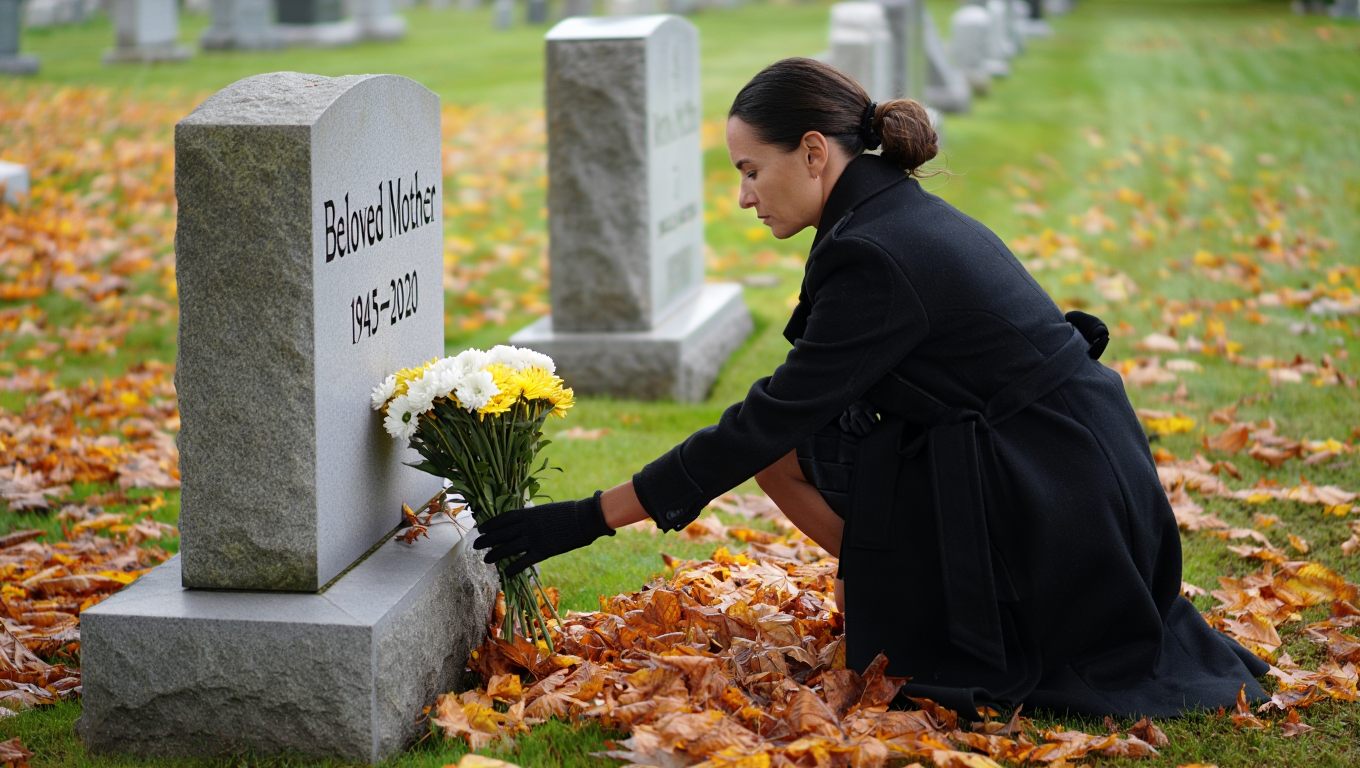
The Real Reason You’re Struggling to Find the Right Words
When I’ve sat with grieving people—really sat with them—I’ve noticed something: they don’t need perfect words. They need authentic words. They need to know that you see their loss and that it matters to you.
The pressure we put on ourselves to say “the right thing” is crushing. We freeze. We avoid. We send generic sympathy cards because we’re terrified of getting it wrong. And you know what happens? We end up saying nothing at all, and that absence speaks louder than any words could.
People need alternative expressions because traditional phrases may not align with their beliefs, relationships, or cultural backgrounds. A close friend deserves different words than a distant colleague. A child’s death requires gentler language than an elderly person’s passing. And most importantly? Authentic emotion matters more than perfect phrasing.
The Problem With One-Size-Fits-All Condolences
Here’s something we don’t talk about enough: not everyone follows Christian traditions, yet “rest in peace” remains the default expression in Western cultures. This creates real problems.
If my colleague is Muslim, “Inna lillahi wa inna ilayhi raji’un” (To God we belong and to Him we return) carries profound meaning within their faith. My Hindu friends appreciate “Om Shanti” (peace). Buddhist families value “may they find enlightenment.”
You see the issue? Using Christian phrases with families from other traditions isn’t just tone-deaf—it shows that you haven’t taken time to honor their beliefs during an incredibly vulnerable moment.
The good news? Asking the family about their preferences shows genuine thoughtfulness. A simple question like “Is there a traditional blessing or phrase your family uses?” demonstrates cultural awareness and real care.
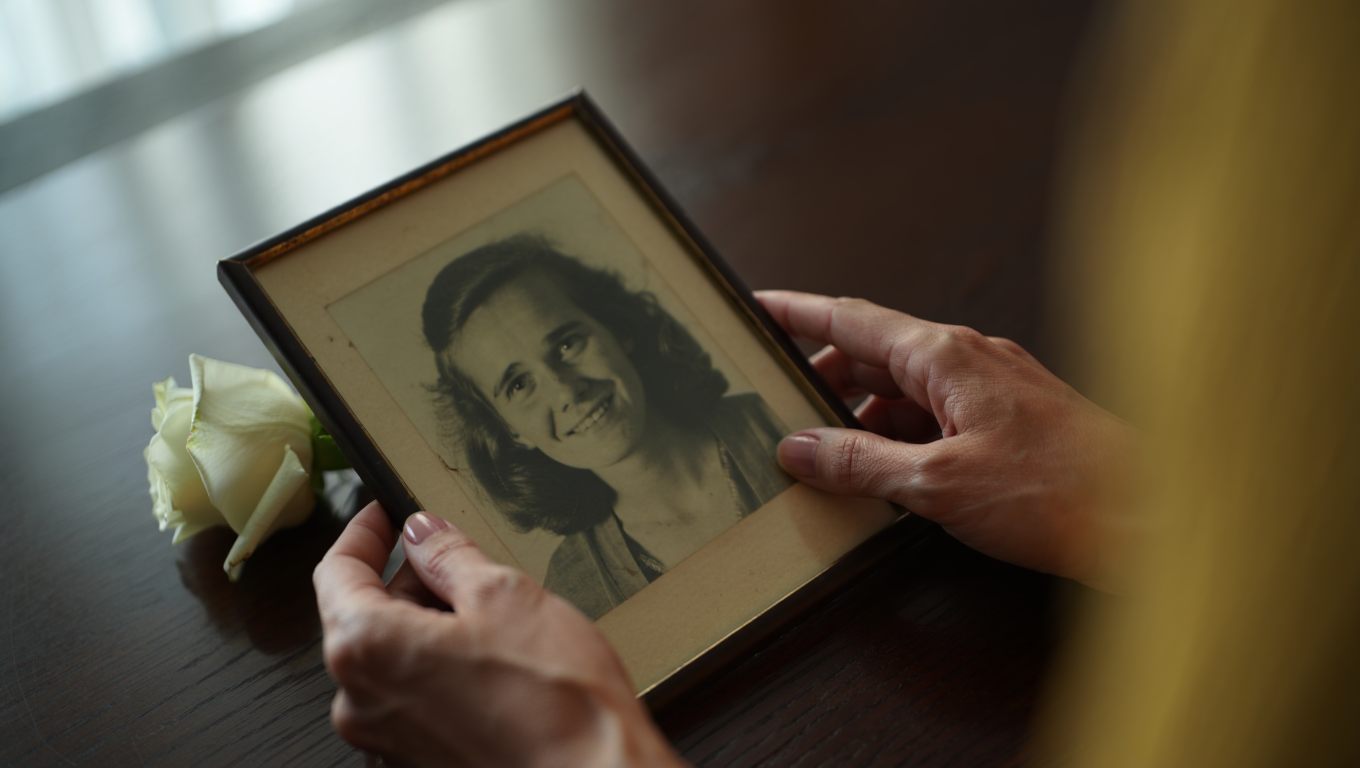
50 Beautiful Ways to Say Rest in Peace (And When to Use Them)
Alright, let’s get into the phrases. I’ve organized them by type so you can find what actually fits your situation. Because that matters.
Traditional and Formal Expressions (For When You Need to Sound Professional)
These work beautifully in professional settings, formal sympathy cards, and situations where dignity and respect are paramount.
1. “May they rest in eternal peace” This expanded version adds emphasis on eternity, suggesting permanent tranquility. I’d use this for formal funeral programs, obituaries, and official memorial announcements.
2. “Gone but never forgotten” You know what I love about this phrase? It acknowledges loss while celebrating lasting memory. It’s particularly powerful for celebration of life services that focus on positive remembrance rather than grief alone.
3. “May they find eternal rest” Similar to “rest in peace” but phrased as a blessing rather than a declaration. That subtle difference makes it feel more personal and hopeful.
4. “Forever in our hearts” This one’s special because it emphasizes emotional connection over spiritual beliefs. It works beautifully for secular memorials where the focus is on love transcending death.
5. “Their memory lives on” This isn’t wishful thinking—it’s a statement of fact. It works exceptionally well when the deceased left significant legacies through their work, family, or community contributions.
6. “May their soul find peace” I appreciate how this acknowledges spiritual beliefs while remaining vague enough for multiple faith traditions. The focus on “soul” suggests something beyond physical existence without demanding specific theology.
7. “In loving memory” Perhaps the most common alternative, this phrase appears on countless memorial cards, headstones, and tribute pages. Its simplicity and universality make it appropriate for nearly any situation. Sometimes the classics work for a reason.
8. “Until we meet again” This expression assumes belief in an afterlife reunion. It transforms goodbye into “see you later,” which can soften the finality of death for people who hold those beliefs.
9. “May they rest among the righteous” A phrase with Jewish origins that honors the deceased’s character and moral standing. Use this for individuals known for their ethical behavior and community service.
10. “Eternally at peace” Brief, powerful, and emphasizes permanence. This works well for social media tributes and short memorial messages where every word counts.
Religious and Spiritual Expressions (Honoring Specific Faiths)
These align with specific faith traditions. Use them when you know—or have asked about—the family’s beliefs.
11. “May God grant them eternal rest” A Christian expression that places the deceased in God’s care. You’ll see this frequently in Catholic funeral rites.
12. “Heaven gained an angel” Popular in Christian communities, though I’d mention that not all Christian denominations embrace “angel” theology. Use this carefully and thoughtfully.
13. “May their memory be a blessing” (Zichrono/Zichrona livracha) The traditional Jewish mourning phrase shifts focus from the deceased’s fate to their positive impact on the living. It acknowledges that how we remember someone matters deeply.
14. “Inna lillahi wa inna ilayhi raji’un” The Islamic expression meaning “To Allah we belong and to Him we return.” This Quranic phrase acknowledges God’s sovereignty over life and death.
15. “Om Shanti Shanti Shanti” A Hindu and Buddhist blessing meaning “peace, peace, peace.” The threefold repetition invokes peace for body, mind, and spirit.
16. “May they attain Nirvana” A Buddhist expression hoping the deceased achieves liberation from the cycle of rebirth. This reflects genuine understanding of Buddhist philosophy.
17. “God has called them home” A Christian phrase suggesting death as a return to divine origin rather than an ending. This comforts believers who view earthly life as temporary.
18. “May the angels lead them into paradise” From Catholic liturgy, this phrase appears in funeral services and memorial prayers. It envisions a blessed transition from earthly to heavenly existence.
19. “In God’s hands now” A simple expression of faith that releases worry. This phrase provides comfort by suggesting divine care continues after death.
20. “May Allah have mercy on their soul” An Islamic prayer (Rahimahullah/Rahimaha Allah) asking for divine compassion. Muslims often recite this when mentioning deceased individuals.
Poetic and Literary Expressions (For When Your Heart Needs Eloquence)
These suit creative tributes, eulogies, and artistic memorials. Use them when you want to paint a picture of peace.
21. “Gone from our sight, but never from our hearts” This poetic expression acknowledges physical absence while affirming emotional presence. It recognizes that love doesn’t require physical proximity.
22. “Their light continues to shine” A metaphorical phrase suggesting the deceased’s influence persists through their actions, teachings, or impact. This works beautifully for educators, mentors, and community leaders.
23. “Dancing among the stars” A whimsical, hopeful image that transforms death into celestial celebration. I’d use this for younger deceased individuals or those known for joyful spirits.
24. “May the road rise to meet them” From an Irish blessing, this line wishes ease and welcome in the afterlife. The complete blessing contains beautiful imagery about wind, sun, and gentle rain.
25. “Their journey continues beyond the veil” This mystical phrase suggests death as transition rather than termination. It resonates with people who believe in spiritual realms beyond physical perception.
26. “Sleeping in eternal embrace” A gentle metaphor comparing death to peaceful sleep in divine arms. This softens death’s harshness with comforting imagery.
27. “Their story lives in our hearts” This emphasizes narrative legacy over physical presence. It works particularly well for individuals who shared their wisdom and experiences generously.
28. “Now among the ancestors” Rooted in African and Indigenous traditions, this phrase honors the deceased’s transition into the ancestral realm. It suggests continued influence and guidance from the spirit world.
29. “Their spirit soars free” A liberating image celebrating release from earthly limitations. This phrase suits individuals who struggled with illness, pain, or constraints during life.
30. “Walking in fields of light” Beautiful imagery envisioning the afterlife as luminous and peaceful. This metaphor provides comfort through hopeful visualization.
Casual and Contemporary Expressions (For the Digital Age)
These modern phrases work well for social media, texts, and informal contexts. They’re honest and direct.
31. “Fly high” Brief and contemporary, popular on social media. Despite its casualness, it conveys genuine wish for spiritual elevation.
32. “Gone too soon” This acknowledges untimely death while expressing grief over a shortened life. Use this for younger individuals or unexpected losses.
33. “Forever young” Particularly appropriate for deceased youth, this phrase freezes them in memory at their current age. It provides bittersweet comfort.
34. “May your journey be peaceful” A traveler’s blessing adapted for death, suggesting the deceased embarks on a new adventure. This works for individuals who loved exploration.
35. “Taken from us too early” Similar to “gone too soon,” this expresses the unfairness of premature death. It validates feelings of loss and injustice.
36. “We’ll carry you in our hearts” A personal commitment to remember and honor the deceased. This transforms passive memory into active preservation of legacy.
37. “Your memory is a treasure” This elevates memory to something precious and valuable. It suggests the deceased gave gifts through their presence and actions.
38. “You left footprints on our hearts” A tender metaphor acknowledging lasting emotional impact. This works beautifully in memorial contexts.
39. “The world is dimmer without you” This acknowledges the real impact of loss on survivors. It validates grief by recognizing what’s been taken away.
40. “Your legacy lives on” A statement focusing on what remains rather than what’s lost. This suits individuals who built businesses, raised families, or created lasting works.
Comforting and Hopeful Expressions (For When They Need Solace)
These phrases offer solace and hope to grieving individuals. They acknowledge hardship while pointing toward peace.
41. “May they be free from pain” Particularly meaningful when someone died after prolonged illness or suffering. This acknowledges relief alongside grief.
42. “Together again with loved ones” This comforts people by suggesting reunion with predeceased family and friends. It transforms loneliness into connection.
43. “Watching over us from above” A phrase suggesting continued protection and care from the spiritual realm. This comforts those who believe in guardian spirits.
44. “Their suffering has ended” Direct acknowledgment of relief after painful illness. This validates mixed emotions around death—because sometimes grief and relief exist together.
45. “At peace at last” Simple and powerful, this suggests the deceased achieved tranquility they perhaps lacked in life. It works for troubled individuals who finally found rest.
46. “Home with the Lord” A Christian expression suggesting arrival at the ultimate destination. This appears frequently in religious memorial services.
47. “In paradise now” A hopeful statement about the deceased’s current state. This works across multiple religious traditions embracing paradise concepts.
48. “Beyond pain, beyond fear, beyond tears” This threefold structure emphasizes complete liberation from earthly suffering. It provides powerful comfort for traumatic deaths.
49. “Safe in the arms of angels” A tender image of divine protection and comfort. This phrase appears in songs, poems, and countless memorial tributes.
50. “Their love remains with us always” The final expression focuses on love’s permanence. While people die, the love they gave and received endures eternally.
How to Actually Choose the Right Expression (Real Talk)

You’ve got fifty options now. But how do you know which one actually fits?
Here’s my honest advice, based on real situations I’ve navigated.
Start With Your Relationship
Close family members can use intimate, emotional expressions. A distant acquaintance should stick with respectful, formal phrases. Your boss? Keep it professional yet compassionate.
In most cases, closer relationships permit more personal and creative expressions. A best friend might say “your light continues to shine” while a business associate would stick with “in loving memory.” This distinction matters because overly familiar language from distant connections can feel presumptuous.
Ask About Their Beliefs (Seriously)
This matters more than you think. When uncertain about beliefs, neutral expressions like “forever in our hearts” or “gone but never forgotten” provide safe alternatives.
But here’s the thing: asking family members about preferences shows thoughtfulness. A simple question like “Is there a traditional blessing or phrase your family uses?” demonstrates cultural awareness and genuine care. Most people appreciate being asked. It shows you actually care about honoring their loved one according to their beliefs, not yours.
Match the Format to the Setting
Funeral programs require different language than Facebook posts. Professional sympathy cards need more formal phrases than text messages. Memorial speeches allow elaborate expressions while brief condolence notes call for concise statements.
From a practical standpoint, formal settings demand traditional language. Casual contexts permit contemporary expressions. Mixed audiences benefit from universally appropriate phrases that don’t alienate anyone.
Consider What They Actually Went Through
Expected deaths after long illness differ from sudden, tragic losses. Elderly individuals who lived full lives receive different tributes than children or young adults.
Acknowledging circumstances matters deeply to grieving families. Phrases like “may they be free from pain” suit prolonged suffering. “Gone too soon” acknowledges untimely death. “At peace at last” works for troubled individuals. Matching your expression to circumstances shows attentiveness and real empathy.
Where and When to Use These Expressions
Different contexts demand different approaches. Let me break it down.
Sympathy Cards and Written Messages
Written condolences permit more elaborate expressions than spoken words. Cards allow recipients to reread messages during difficult moments, making word choice particularly important.
Here’s how effective sympathy messages flow:
Opening: “I was deeply saddened to hear about [name]’s passing.”
Body: “I’ll always remember [specific memory or quality].”
Closing: “May they rest in eternal peace, and may you find comfort in cherished memories.”
Handwritten notes carry more weight than printed cards or text messages. The physical act of writing demonstrates time and care. Additionally, specific memories matter more than generic statements about “being there for you.”
Funeral Services and Memorial Ceremonies
Public speaking at funerals requires careful preparation. Open with acknowledgment of loss, share meaningful stories about the deceased, then conclude with hopeful or peaceful expressions. Balance grief recognition with celebration of life.
Successful eulogies follow this structure:
Introduction: Acknowledge attendees and express collective grief
Body: Share 2-3 specific stories that capture the deceased’s character
Conclusion: Offer peaceful expression and final farewell
Here’s something people don’t always realize: humor has a place in memorials when appropriate to the deceased’s personality. Someone known for wit and laughter might appreciate lighthearted stories alongside solemn tributes. Match your tone to the person you’re honoring.
Social Media Tributes
Digital condolences reach wide audiences instantly but require brevity and sensitivity. Public posts become permanent records visible to countless people, so avoid oversharing personal details. Stick with respectful phrases and positive memories.
Effective social media tributes include:
Photo: A respectful image of the deceased (with family permission)
Caption: Brief condolence phrase followed by specific positive quality
Hashtag: Optional memorial hashtag for collective tributes
Privacy: Consider whether a public post or private message suits the situation better
Here’s what matters: social media condolences shouldn’t replace personal communication with close family. Send private messages or make phone calls to immediate relatives before posting publicly. Digital tributes supplement rather than substitute genuine personal connection.
In-Person Conversations
Face-to-face condolences often feel most awkward because they happen spontaneously. Most people struggle with what to say when encountering grieving individuals unexpectedly. Simple, sincere expressions work better than elaborate speeches in these moments.
Effective in-person condolences include:
Physical gesture: Hug, hand squeeze, or shoulder touch (if appropriate)
Brief statement: “I’m so sorry for your loss”
Peaceful expression: One of the phrases listed above
Offer of support: “Please let me know if you need anything”
Listen: Allow the grieving person to share without interrupting
The key here is brevity and sincerity. Long explanations or attempts to make sense of death usually backfire. Presence matters more than perfect words. Simply showing up and acknowledging loss provides real comfort.
Text Messages and Phone Calls
Digital and phone communications bridge the gap between written cards and in-person conversations. Text messages suit brief check-ins and immediate responses to death announcements. Phone calls allow longer conversations when appropriate.
For text messages, keep them brief:
“I just heard about [name]. I’m so deeply sorry. They’ll be forever in our hearts. Sending you love and strength.”
For phone calls, prepare what to say but stay flexible based on conversation flow. Some people want to talk extensively about the deceased. Others prefer brief acknowledgment and practical support offers. Follow their lead.
What NOT to Say (And Why It Matters)
Understanding what not to say matters as much as knowing appropriate phrases. These common errors cause additional pain.
Avoid Clichés That Minimize Grief
Phrases like “they’re in a better place” or “everything happens for a reason” often hurt more than help. While meant to comfort, these clichés dismiss the griever’s pain and suggest they shouldn’t feel sad. Grieving people need validation, not explanation.
Never suggest that someone should feel grateful for any aspect of death. Comments like “at least they didn’t suffer long” or “be thankful you had them for [X] years” minimize legitimate grief. Loss is loss, regardless of circumstances.
Don’t Make It About Yourself
Sharing your own grief experiences can sometimes help but often backfires. Saying “I know exactly how you feel” presumes identical experiences when grief remains deeply personal.
Instead, acknowledge uniqueness: “I can’t imagine what you’re going through, but I’m here for you.” This validates their individual experience while offering support.
Avoid Religious Assumptions
Never impose your religious beliefs on grieving individuals. Saying “God needed another angel” to atheist families causes discomfort rather than comfort.
When uncertain about beliefs, stick with secular expressions or directly ask about appropriate phrases. This respect for diversity matters tremendously during vulnerable moments.
Don’t Offer Empty Promises
Statements like “let me know if you need anything” sound supportive but place burden on grieving individuals to identify and request help. Most people won’t reach out because grief overwhelms decision-making capacity.
A simpler solution is making specific offers: “I’m bringing dinner Tuesday night” or “I’ll mow your lawn this weekend.” Concrete actions demonstrate genuine support better than vague availability.
Avoid Judgment About Grief Expression
Everyone grieves differently. Some cry openly while others appear stoic. Some want company while others need solitude. Never criticize how someone processes loss.
Grief has no timeline or required expression. Supporting people means accepting their process without imposing expectations.
Don’t Compare Deaths
Saying “at least it wasn’t [worse scenario]” never comforts anyone. Every death deserves individual recognition without ranking or comparison.
Treat each loss as significant regardless of circumstances. Age, relationship, or death type doesn’t determine grief’s legitimacy. All loss matters.
Creating Your Own Meaningful Messages
Sometimes pre-written phrases don’t capture what you want to express. Creating personalized messages demonstrates genuine care and thought.
Start With Authentic Feeling
Don’t force eloquence or poetry if that’s not natural. Simple, honest emotion resonates more than elaborate phrases lacking authenticity.
“I’m heartbroken and will miss them terribly” carries more weight than thesaurus-enhanced attempts at profundity. Authenticity trumps sophistication every time.
Include Specific Details
Generic statements lack the power of specific memories, qualities, or impacts. Transform general praise into concrete examples capturing the person’s unique character.
Instead of “they were kind,” try “they always stopped to help strangers and never forgot a friend’s birthday.” This specificity creates vivid remembrance rather than vague acknowledgment.
Balance Grief and Hope
Effective condolences acknowledge pain while offering comfort. Don’t ignore sadness in pursuit of positivity, but don’t wallow exclusively in loss either. Find balance between emotions.
Here’s a balanced structure:
Acknowledgment: “My heart breaks knowing [name] is gone”
Memory: “I’ll cherish every [specific memory]”
Hope: “May they rest in eternal peace”
Support: “I’m here for you whenever you need”
Consider Adding Personal Promises
Concrete commitments honor the deceased more than abstract sentiments. Promise to remember specific things, continue their work, or support their family tangibly.
Examples:
- “I promise to remember the lessons they taught me”
- “I’ll continue supporting [cause they cared about]”
- “I’ll be there for [family member] just as they were there for me”
- “Their memory will guide me in [specific way]”
These promises transform passive remembrance into active honoring.
Long-Term Support Beyond Initial Condolences
Here’s what nobody talks about: the weeks and months following death often feel loneliest as initial support fades.
Most support concentrates around the funeral, then disappears. Grieving people report feeling abandoned weeks later when the reality of loss fully sinks in. Continued remembrance combats this isolation.
Set reminders to check in regularly. Send brief messages on difficult dates like birthdays, anniversaries, or holidays. These small gestures demonstrate that you haven’t forgotten the deceased or the griever’s pain.
Simple messages work:
- “Thinking of you today”
- “Remembering [name] on their birthday”
- “Sending love on this difficult anniversary”
Don’t stop mentioning the deceased. Many people avoid bringing up the dead, fearing it causes pain. Actually, grieving individuals appreciate hearing their loved one’s name and knowing others remember them.
Share memories naturally when they arise:
- “I drove past [place] today and remembered when [name] [specific memory]”
- “I thought of [name] when I [situation]. They would have [reaction]”
- “Something reminded me of [name] today and made me smile”
Grief isn’t linear. Waves of intense sadness can strike months or years after death, triggered by random reminders. Acknowledge these moments when you notice them affecting someone: “I noticed today seems hard. I’m here if you need anything.”
This validates their experience without requiring explanation. It recognizes grief’s unpredictable nature while offering support.
Some Final Thoughts
Look, losing someone you love is heartbreaking. Knowing what to say doesn’t make the pain go away. But it helps. It matters.
When you take time to find the right words—words that honor their life and respect their family’s beliefs—you’re doing something powerful. You’re saying, “Your loss matters. This person mattered. You’re not alone in grieving them.”
That’s what these fifty phrases are really about. They’re not just words. They’re acknowledgment. They’re presence. They’re love.
Whether you choose classical “rest in peace,” religious blessings like “may their memory be a blessing,” poetic expressions like “their light continues to shine,” or simple statements like “forever in our hearts,” remember this: sincerity trumps eloquence every time.
The right words are the authentic ones. The ones that come from your heart rather than a template. The ones that say, “I see your pain. I honor their memory. I’m here for you.”
That’s beautiful. That’s enough.
During these difficult moments, inspirational quotes after losing a loved one can provide additional comfort and strength. Learning how to be a better friend during times of loss strengthens the ability to provide genuine support.
You May Also Like
 Family and Relationships
How to Listen to Your Husband Without Trying to Fix Everything
 Family and Relationships
How We Strengthen Our Relationship in 24 Hours: A Real Couple’s Guide to a Healthy Relationship
 Friendship Quotes
200+ Thinking of You Quotes to Make Someone Feel Remembered
 Toxic Relationships
150+ Disappointment Relationship Priority Quotes: When You’re Not Their First Choice
 Things to Do
250+ Things to Talk About: Never Run Out of Conversation Ideas Again
 Family and Relationships
150+ Celebration of Life Quotes: Words to Celebrate Loved Ones
 Family and Relationships
150+ Questions to Ask in a Relationship: Get To Know Someone Better
 Family and Relationships
180+ Trust and Loyalty Quotes in Friendship & Relationships: Building Bonds That Last Forever
 Family and Relationships