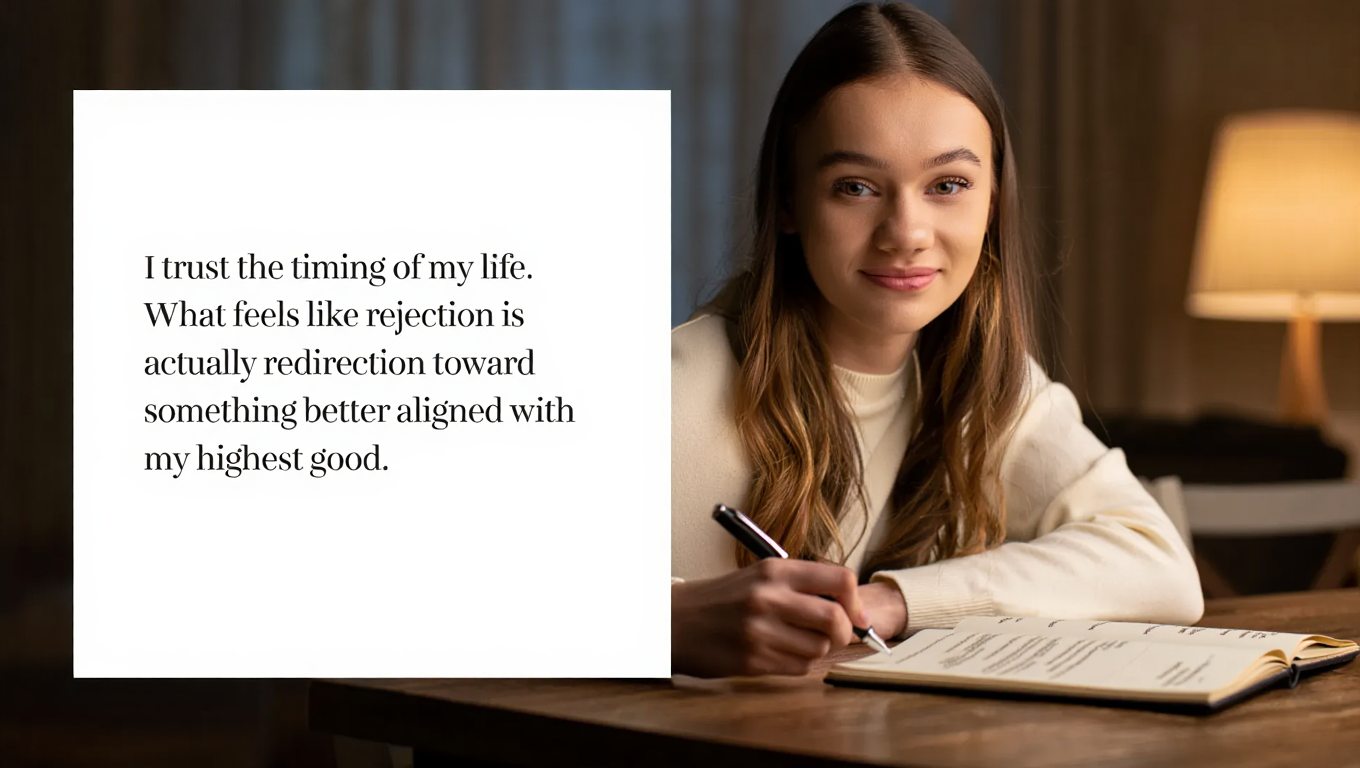
155+ Disappointing Affirmations Quotes: When Positive Thinking Falls Short
Have you ever read an affirmation that made you roll your eyes instead of feeling inspired? You’re not alone. Many of us have encountered those cringeworthy quotes that feel more like empty promises than genuine motivation. These disappointing affirmations often do more harm than good, creating unrealistic expectations and exacerbating feelings of self-doubt.
We live in a world obsessed with positive thinking. Social media feeds overflow with motivational quotes that promise instant happiness and success. But what happens when these affirmations don’t match our reality? When they feel fake, forced, or completely out of touch with what we’re going through? This disconnect can leave us feeling more disappointed and isolated than before.
Unlike short positive affirmations to say everyday that actually work, this collection explores the darker side of affirmation culture. We’ll look at quotes that highlight toxic positivity, unrealistic expectations, and the pressure to be happy all the time. Sometimes, acknowledging disappointment is more healing than pretending everything is perfect.
What Makes an Affirmation Disappointing?
Disappointing affirmations are quotes that feel fake, unrealistic, or dismiss our genuine human emotions. They often promote toxic positivity and ignore how complex real-life struggles can be.
You know the ones I’m talking about. They promise instant results without talking about the work involved. They dismiss negative emotions as weakness or choice. They create unrealistic timelines for healing and growth.
Many disappointing affirmations use words that make everything sound simple. Words like “always,” “never,” “just,” and “simply” make complex situations seem easy. They make recovery sound effortless when it’s actually hard work.
Here are some examples that probably sound familiar:
- “Just think positive thoughts and everything will be fine”
- “You choose your own happiness every day”
- “Everything happens for a reason”
- “Good vibes only”
- “Don’t worry, be happy”
These statements ignore real problems like mental illness, trauma, grief, and money troubles. They blame us for things we can’t control. Unlike disappointment encouragement quotes that validate your feelings, these dismissive phrases make you feel worse.
Scientists have found that forced positivity can actually make anxiety and depression worse. When we push down negative emotions, they often come back stronger. Real healing means accepting all feelings, not just the happy ones.
The pressure to stay positive all the time makes us feel ashamed of normal human emotions like sadness, anger, and fear. When we hide these feelings, it can lead to bigger mental health problems later. It’s very different from genuine wellness wednesday quotes that promote real self-care.
Understanding why these affirmations let us down helps us spot toxic positivity in our daily lives. It also helps us find better, more realistic ways to take care of ourselves and grow as people.
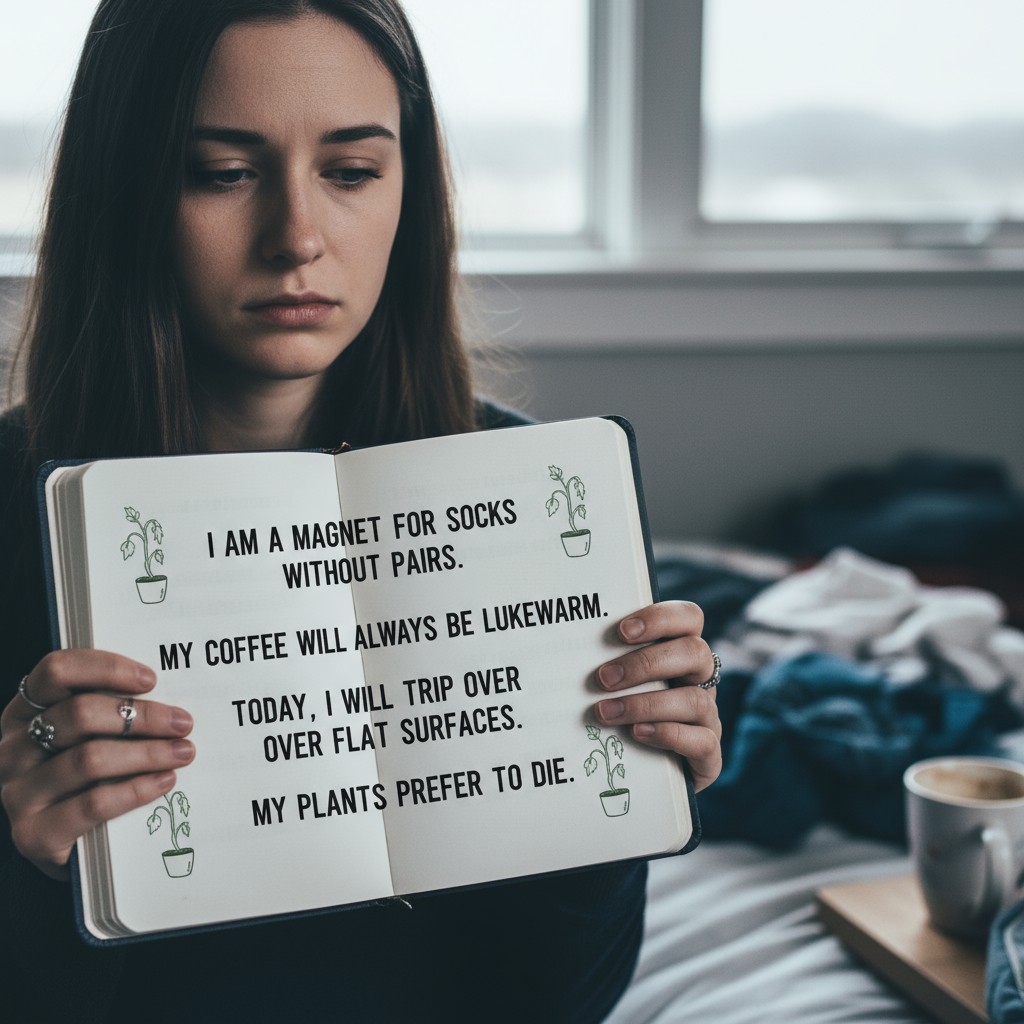
Why Do Some Affirmations Make Us Feel Worse?
Some affirmations backfire because they don’t match what we’re actually going through in our lives. When there’s a big gap between what they say and what we feel, it makes us question ourselves.
Let me tell you what happens in our brains. When you read “I am abundant and successful” while you’re struggling to pay rent, your mind knows something doesn’t add up. This creates what psychologists call cognitive dissonance. It’s that uncomfortable feeling when two things don’t match.
Our brains are wired to feel negative emotions for good reasons. Fear keeps us safe. Sadness helps us deal with loss. Anger pushes us to fix unfair situations. When affirmations tell us to get rid of these feelings, they’re asking us to ignore our natural warning systems.
Some toxic affirmations actually gaslight us. They suggest that how we see reality is wrong. Phrases like “it’s all in your head” or “you’re choosing to be negative” blame us for our circumstances. This is especially harmful when dealing with disappointment and lies quotes that dismiss real hurt feelings.
Dr. Susan David’s research shows that people who accept all emotions have better mental health. They bounce back faster, think more creatively, and have stronger relationships. This research explains why inspirational quotes for depression that acknowledge struggle work better than empty positivity.
Social media makes toxic positivity even worse. We see everyone’s highlight reels and think others never struggle. This comparison makes our own problems feel shameful or weird. Real personal growth tips admit that growth is messy and doesn’t happen in straight lines.
The wellness industry has turned emotional healing into a business. Companies make money selling simple answers to complex problems. This marketing creates unrealistic expectations about how long recovery takes and what methods work.
When you understand these patterns, you can spot when affirmations become harmful instead of helpful. It also guides you toward better approaches that honor your full human experience.
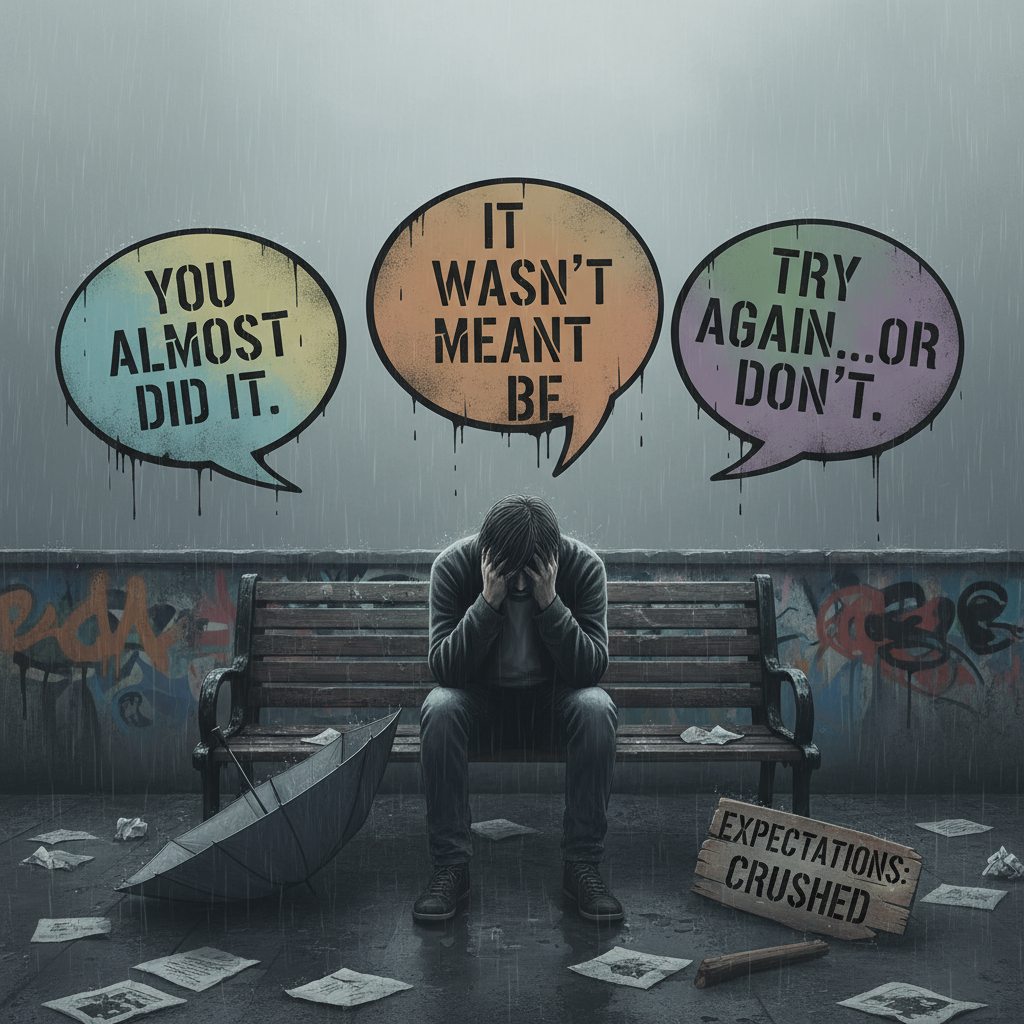
155+ Original Disappointing Affirmations Quotes
Here’s our big collection of quotes that capture the frustration with toxic positivity and unrealistic affirmations:
Quotes About Fake Positivity
- “When someone tells you to ‘just be positive,’ they’re really saying your feelings don’t matter to them.”
- “I tried to manifest my rent money, but apparently the universe only accepts cash.”
- “Your vibe doesn’t attract your tribe when you’re broke and depressed.”
- “Some days I can’t even manifest the energy to get out of bed, let alone my dreams.”
- “Telling someone with anxiety to ‘stop worrying’ is like telling someone with a broken leg to ‘just walk it off.'”
- “My positive thoughts must be defective because my life is still a mess.”
- “I smiled so hard trying to be positive that my face cramped.”
- “Apparently, my gratitude journal didn’t get the memo about fixing my problems.”
- “I visualized success so intensely that I forgot to actually work toward it.”
- “The universe must be busy because it keeps sending me bills instead of blessings.”
- “My good vibes couldn’t pay for groceries this week.”
- “I’m radiating positivity, but my bank account is radiating poverty.”
- “They said fake it till you make it, but I’ve been faking it for years and still haven’t made it.”
- “My spiritual awakening got interrupted by my electricity bill.”
- “I’m choosing happiness, but happiness keeps choosing someone else.”
Quotes About Unrealistic Expectations
- “They said follow your passion, but my passion doesn’t pay the bills.”
- “I’m still waiting for my breakthrough moment that was supposed to happen yesterday.”
- “My affirmations work great until reality shows up uninvited.”
- “I declared I was worthy of love, but my dating apps disagree.”
- “My morning mantras are no match for afternoon anxiety.”
- “I tried to love myself first, but myself is really hard to love sometimes.”
- “My positive mindset couldn’t overcome my negative bank account.”
- “I affirmed my way into confidence, then social media reminded me I’m ordinary.”
- “My vision board looks nothing like my actual life.”
- “I spoke it into existence, but existence wasn’t listening.”
- “I believed nothing was impossible until I tried to pay rent with thoughts and prayers.”
- “My abundant mindset met my empty wallet and lost the fight.”
- “I’m manifesting like crazy, but the only thing showing up is more problems.”
- “They told me I could be anything, so I became disappointed.”
- “I visualized my perfect life so much that I forgot to live my actual one.”

Quotes About Forced Happiness
- “Forcing a smile when your heart is breaking is like putting makeup on a wound.”
- “Good vibes only means half of human experience is banned.”
- “I’m tired of pretending that everything is awesome when it’s clearly not.”
- “My fake happiness is exhausting everyone, including me.”
- “They want me to choose joy, but joy didn’t choose me back.”
- “I’m performing happiness for people who wouldn’t care if I cried.”
- “My sunshine personality is actually a carefully constructed lie.”
- “I’m so busy being positive that I forgot how to be real.”
- “They said happiness is a choice, but my brain chemistry disagrees.”
- “I’m toxic positive and proud of it (said no healthy person ever).”
- “My smile is just depression wearing a costume.”
- “I’m spreading good vibes while dying inside.”
- “They want me to be grateful for crumbs while they eat the whole cake.”
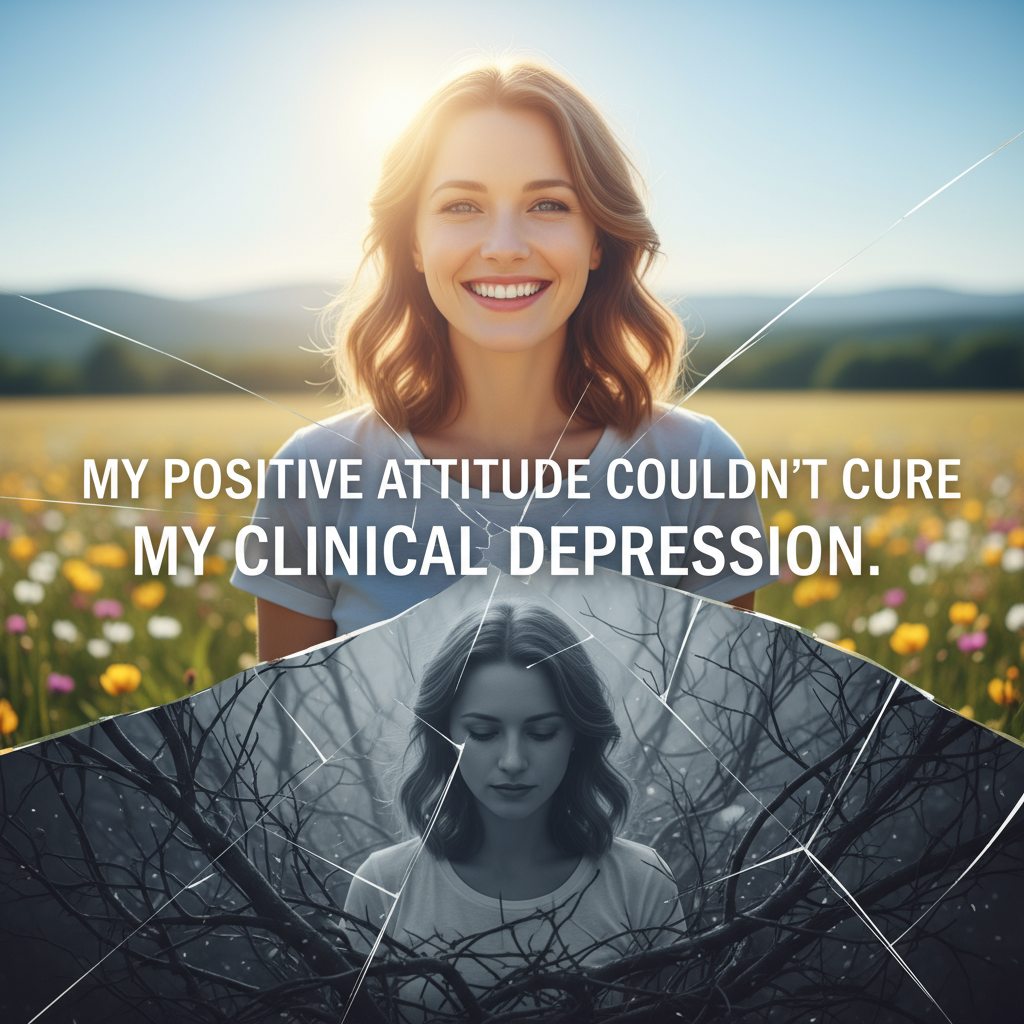
- “My positive attitude couldn’t cure my clinical depression.”
- “I’m choosing happiness so hard that I’m giving myself a headache.”
Quotes About Self-Blame
- “Apparently, I’m choosing to have mental illness every day.”
- “My low vibration must be why bad things keep happening to me.”
- “I’m attracting poverty because I don’t love myself enough.”
- “My negative thoughts caused my trauma, according to the internet.”
- “I’m responsible for other people’s toxic behavior toward me.”
- “My energy was so wrong that people had no choice but to hurt me.”
- “I manifested my own abuse by not thinking positive enough.”
- “My chakras must be blocked because my life is blocked too.”
- “I’m the common denominator in all my problems, so it must be my fault.”
- “My aura is clearly malfunctioning because nothing goes right.”
- “I’m not grateful enough for my struggles, that’s why they continue.”
- “My victim mentality is why I keep getting victimized.”
- “I created my own reality, and apparently I’m a terrible creator.”
- “My frequency is so low that I deserve everything bad that happens.”
- “I’m blocking my own blessings by acknowledging my problems.”
Quotes About Spiritual Bypassing
- “Everything happens for a reason, even the preventable tragedies.”
- “God never gives you more than you can handle; tell that to suicide victims.”
- “Your pain is just the universe teaching you lessons.”
- “You chose this life before you were born, including the trauma.”
- “There are no victims, only volunteers in the school of life.”
- “Your suffering is spiritual growth in disguise.”
- “The universe is testing you with poverty and abuse.”
- “Your soul signed up for this experience, including the mental illness.”
- “Trust the process, even when the process is destroying you.”
- “You’re exactly where you need to be, even if it’s rock bottom.”
Unlike authentic celebration of life quotes that honor real experiences, these spiritual bypassing quotes dismiss genuine pain.
Quotes About Privilege in Positivity
- “Just think positive thoughts from your mansion while I think them from my car.”
- “Manifest abundance with your trust fund while I manifest rent money.”
- “Choose happiness when you have a safety net to catch you.”
- “Practice gratitude from your position of privilege and security.”
- “Raise your vibration from your gated community.”
- “Love and light from someone who’s never known darkness.”
- “Good vibes only when you can afford good vibes.”
- “Spiritual abundance preached by the financially abundant.”
- “Positive mindset coaching from someone born on third base.”
- “Toxic positivity brought to you by people who’ve never been toxic.”
Quotes About Comparison Culture
- “My healing journey looks nothing like their Instagram posts.”
- “I’m manifesting like they said, but their results aren’t showing up in my life.”
- “Their transformation Tuesday makes my transformation look like a fail.”
- “I followed their morning routine and got the same results: disappointment.”
- “Their glow-up came with generational wealth, mine came with student loans.”
- “I’m doing the work they recommend, but I don’t have their starting point.”
- “Their authentic self is more marketable than mine.”
- “My vulnerability doesn’t get the same engagement as theirs.”
- “I’m living my truth, but their truth pays better.”
- “My story isn’t inspiring enough for their highlight reel.”
This compares to authentic disappointment quotes when people cancel plans that validate real feelings instead of dismissing them.
Quotes About Perfectionism in Positivity
- “I have to be grateful for everything or I’m not spiritual enough.”
- “My meditation practice isn’t perfect so it doesn’t count.”
- “I missed one day of affirmations and ruined my whole vibe.”
- “My healing isn’t linear enough for the wellness community.”
- “I’m not zen enough for yoga class.”
- “My chakras are probably misaligned because I had a bad day.”
- “I’m failing at self-love because I don’t love everything about myself.”
- “My manifestation must be wrong because it’s taking too long.”
- “I’m not positive enough to deserve good things.”
- “My spiritual practice isn’t Instagram-worthy enough.”
Quotes About Toxic Relationship Positivity
- “Just send them love and light while they send you trauma.”
- “Set boundaries with your energy, not your words.”
- “They’re just your teacher in disguise, teaching you abuse.”
- “Mirror work will fix your relationship with a narcissist.”
- “Love them from a distance while they hurt you up close.”
- “Their behavior is about them, not the fact that they’re hurting you.”
- “You attract what you are, so you must be toxic too.”
- “Forgive them for your own healing, even if they’re still hurting you.”
- “Their love language is manipulation, honor that.”
- “You’re in a divine partnership with someone who treats you badly.”
These contrast sharply with healthy trust in relationships advice that promotes actual wellbeing.
Quotes About Financial Positivity Myths
- “Money is just energy, so why can’t I pay rent with good vibes?”
- “I’m abundant in spirit but broke in reality.”
- “My poverty mindset caused my actual poverty.”
- “I’m grateful for financial struggle because it builds character.”
- “The universe will provide, but the landlord wants cash.”
- “I’m manifesting money but receiving bills.”
- “My energy around money is great, my bank account disagrees.”
- “I deserve abundance, but minimum wage says otherwise.”
- “Money flows to me easily (in my dreams).”
- “I have a millionaire mindset with a paycheck-to-paycheck reality.”
Quotes About Mental Health Positivity
- “Just choose to be happy instead of taking medication.”
- “Depression is just a mindset you can change.”
- “Anxiety means you’re not trusting the universe enough.”
- “Your mental illness is just resistance to growth.”
- “Therapy is for people who won’t do the inner work.”
- “Meditation can cure anything, including chemical imbalances.”
- “You’re not sick, you’re just spiritually blocked.”
- “Happy thoughts can fix brain chemistry.”
- “Your trauma is just stored emotions you need to release.”
- “Mental health is all about mindset management.”
These harmful ideas contrast with genuine building self-confidence approaches that acknowledge real struggles.
Quotes About Productivity Positivity
- “Rise and grind at 4 AM or you don’t want success enough.”
- “Hustle culture is self-care for winners.”
- “Rest is for people who aren’t committed to their dreams.”
- “Your morning routine determines your entire life’s success.”
- “If you’re not exhausted, you’re not working hard enough.”
- “Sleep when you’re dead, grind while you’re alive.”
- “Your comfort zone is where dreams go to die.”
- “Excuses are for people who don’t want it badly enough.”
- “Every successful person sacrifices their health for their goals.”
- “Your future self will thank you for burning out today.”
Quotes About Age and Life Timeline Pressure
- “You should have figured out your life purpose by 25.”
- “Everyone else is ahead of you in the game of life.”
- “You’re running out of time to be successful.”
- “Your biological clock is ticking for everything, not just babies.”
- “You wasted your twenties if you didn’t become a millionaire.”
- “Life begins at retirement if you survive the hustle.”
- “You’re too old to start over and too young to give up.”
- “Your peers are buying houses while you’re buying groceries.”
- “Everyone else has their life together except you.”
- “You should be grateful you made it this far without accomplishing anything.”
Quotes About Social Media Positivity
- “Document your healing journey for strangers’ validation.”
- “Your trauma isn’t real if you don’t post about it.”
- “Inspire others with your pain for free.”
- “Your struggles are content for their algorithm.”
- “Be vulnerable for likes and shares.”
- “Your mental health journey should be monetizable.”
- “Turn your breakdown into someone else’s breakthrough story.”
- “Your healing isn’t valid without before and after photos.”
- “Share your rock bottom so others can feel better about themselves.”
- “Your authentic self is performing for an audience.”
These quotes highlight how different this approach is from genuine positive affirmations for teens that actually support young people’s wellbeing.

How These Quotes Reflect Real Disappointment
These disappointing affirmation quotes mirror the frustration many of us feel when a positive thinking culture dismisses our real experiences. They capture the gap between what we’re told to feel and what we actually go through.
You’ve probably felt this disconnect before. Maybe you’ve been told to “just be grateful” when you’re struggling financially. Or someone suggested you “choose happiness” while you’re dealing with depression. These moments create real disappointment because they minimize your experience.
The quotes in our collection come from real frustrations people have shared. They reflect the pressure to perform positivity even when life feels overwhelming. This pressure can make us feel isolated and misunderstood.
Many of these quotes also highlight how privilege plays into positive thinking culture. It’s easier to “manifest abundance” when you already have resources. It’s simpler to “choose joy” when your basic needs are met. When affirmations ignore these realities, they can feel insulting rather than inspiring.
The disappointment also comes from broken promises. When affirmations promise quick fixes and instant results, they set us up for failure. Real change takes time, effort, and often professional help. When simple quotes don’t deliver miraculous results, we blame ourselves instead of questioning the unrealistic expectations.
These quotes validate feelings that positive thinking culture often dismisses. Sometimes you need to hear that it’s okay to feel disappointed, frustrated, or overwhelmed. That validation can be more healing than another empty promise about manifesting your dreams.
Understanding this disappointment helps us develop more realistic expectations about personal growth and healing. It also helps us find resources and approaches that actually match our experiences and needs.
The Difference Between Healthy and Toxic Affirmations
Healthy affirmations acknowledge reality while promoting growth, while toxic affirmations deny problems and demand instant positivity. The difference lies in how they treat your current experience and emotions.
Let me show you what this looks like in practice. A toxic affirmation might say: “I am always happy and nothing can bring me down.” This denies that sadness, grief, and disappointment are normal human experiences. It sets you up to feel like a failure when you inevitably feel down.
A healthy affirmation would say: “I can feel sad and still be okay. My emotions are temporary and valid.” This acknowledges your current state while gently reminding you that feelings change over time.
Toxic affirmations often use absolute language. Words like “always,” “never,” “perfect,” and “completely” create impossible standards. They don’t leave room for the messiness of real life. Healthy affirmations use words like “sometimes,” “growing,” “learning,” and “becoming.”
Here’s a comparison table to show the differences:
| Toxic Affirmations | Healthy Affirmations |
|---|---|
| “I am perfect as I am” | “I am worthy while I grow and change” |
| “I never have negative thoughts” | “I notice negative thoughts without judgment” |
| “Everything always works out perfectly” | “I can handle whatever comes my way” |
| “I am always confident” | “I am building confidence each day” |
| “I choose happiness every moment” | “I allow myself to feel all emotions” |
Healthy affirmations also consider your circumstances. They don’t promise things beyond your control or ignore real obstacles you’re facing. Instead, they focus on what you can influence: your responses, efforts, and attitudes.
The timing matters too. Toxic positivity pushes affirmations at inappropriate times. Telling someone who just lost a loved one to “focus on the positive” is harmful. Healthy approaches allow space for grief while offering gentle support for when they’re ready.
This understanding helps explain why expectation and disappointment quotes that validate struggle can be more helpful than forced positivity.
When Affirmations Become Harmful Instead of Helpful
Affirmations become harmful when they make you feel worse about yourself or dismiss your real problems. They cross the line from supportive to damaging when they increase shame instead of reducing it.
You’ll know affirmations are harming you if they make you feel guilty for having normal human emotions. If reading “I choose joy” makes you feel bad about being sad, that’s a red flag. Healthy support should never make you feel ashamed of your feelings.
Affirmations also become harmful when they delay needed help. If you’re using positive thinking to avoid therapy, medical care, or other professional support, they’re not helping you heal. They’re keeping you from getting the help you actually need.
Some warning signs that affirmations are becoming harmful:
- You feel guilty when you can’t maintain constant positivity
- You avoid seeking professional help because you think you should handle everything with mindset work
- You judge others for expressing negative emotions
- You feel like a failure when affirmations don’t immediately change your life
- You suppress valid concerns or problems to maintain a positive attitude
- You blame yourself for circumstances beyond your control
The harm is especially serious when affirmations are used to gaslight yourself or others. Phrases like “you create your own reality” can make trauma survivors feel responsible for their abuse. This isn’t healing; it’s harmful.
Timing matters enormously. Pushing positivity during acute grief, trauma, or crisis can retraumatize people. There’s a time for hope and a time for mourning. Healthy approaches respect both.
If you recognize these patterns, it might be time to step back from affirmation culture. Focus instead on approaches that validate your full human experience and connect you with appropriate support.
This is why resources like self-disappointment quotes that acknowledge struggle can sometimes be more helpful than forced positivity.

What to Do When Positive Thinking Isn’t Working
When positive thinking isn’t working, it’s time to try different approaches that match your actual needs and circumstances. The problem usually isn’t with you; it’s with the method being wrong for your situation.
First, give yourself permission to feel disappointed with positive thinking. You’re not broken if affirmations don’t work for you. Many people find them unhelpful, and that’s completely normal. Your experience is valid even if it doesn’t match what others claim.
Instead of forcing positivity, try accepting where you are right now. This doesn’t mean giving up on growth or change. It means starting from an honest place instead of a fake one. You can’t build genuine progress on a foundation of lies about how you’re really doing.
Consider these alternative approaches:
Emotional validation: Instead of changing your feelings, practice acknowledging them. “I notice I’m feeling anxious right now, and that’s understandable given what’s happening.”
Realistic goal-setting: Focus on small, achievable steps rather than massive transformations. “Today I’ll take one walk” instead of “I will become a completely different person.”
Professional support: Therapy, counseling, and medical care address root causes that positive thinking can’t touch. There’s no shame in needing professional help.
Practical problem-solving: Sometimes you need concrete actions, not mindset changes. If money is tight, budgeting skills matter more than abundance affirmations.
Community support: Connect with others who understand your struggles instead of those who dismiss them. Real understanding beats fake encouragement every time.
The goal isn’t to become negative or give up hope. It’s to find approaches that actually help you feel better and function better in your real life. Sometimes that means acknowledging problems before you can solve them.
This balanced approach is reflected in resources like disappointment relationship priority quotes that validate real relationship struggles while promoting healthy boundaries.
Building Authentic Self-Care Without Toxic Positivity
Authentic self-care focuses on what you actually need rather than what you think you should need. It’s based on honesty about your circumstances and limitations, not fantasy about instant transformation.
Real self-care sometimes looks like setting boundaries, saying no, or asking for help. It might mean taking a mental health day instead of pushing through with positive thoughts. It could involve seeking therapy, medication, or other professional support.
Here’s what authentic self-care includes:
Physical needs first: You can’t think your way out of hunger, exhaustion, or illness. Taking care of your body isn’t selfish; it’s necessary.
Emotional honesty: Acknowledging all your feelings, not just the socially acceptable ones. Sadness, anger, and fear carry important information about your needs and boundaries.
Realistic expectations: Setting goals based on your actual circumstances and resources, not social media fantasies.
Professional support when needed: Recognizing that some problems require expert help, not just mindset work.
Saying no: Protecting your time and energy by declining requests that don’t serve your wellbeing.
Rest without guilt: Understanding that rest is productive, not lazy.
Authentic self-care also means being honest about what you can and can’t control. You can’t manifest away systemic problems, family dysfunction, or chemical imbalances in your brain. But you can control how you respond to these challenges and what support you seek.
This approach is very different from wellness culture’s promises of total transformation through mindset alone. It’s messier, slower, and more realistic. But it’s also more sustainable and genuinely helpful.
The difference shows up in how we talk about struggles. Instead of “everything happens for a reason,” authentic self-care says “this is hard, and you’re doing your best.” Instead of “just be positive,” it says “your feelings make sense given what you’re going through.”
This is why genuine words of encouragement for men acknowledge real struggles while offering practical support, rather than dismissing difficulties with empty positivity.
FAQs About Disappointing Affirmations
Are all positive affirmations toxic?
No, not all positive affirmations are toxic. The problem occurs when affirmations deny reality, dismiss valid emotions, or promise unrealistic results. Healthy affirmations acknowledge your current situation while gently encouraging growth and self-compassion.
Healthy affirmations focus on things within your control, like your effort and responses. They don’t promise to change external circumstances through thoughts alone. They also allow room for difficult emotions instead of demanding constant happiness.
Why do some affirmations make me feel worse about myself?
Affirmations make you feel worse when they create a big gap between what they claim and what you’re actually experiencing. If you’re struggling with depression and read “I am always joyful,” your brain knows this isn’t true. This disconnection can increase feelings of failure and inadequacy.
Your negative reaction to certain affirmations is actually healthy. It shows you’re in touch with reality and won’t be easily fooled by empty promises. Trust your instincts when something feels off about motivational content.
Is it wrong to be disappointed by positive thinking?
No, it’s completely normal and healthy to be disappointed when positive thinking doesn’t work. Many people find that forced positivity makes them feel worse, not better. Your disappointment is valid and doesn’t mean you’re doing anything wrong.
Disappointment with toxic positivity often leads to more authentic approaches to mental health and personal growth. It can be the first step toward finding support that actually helps your situation.
How can I tell if an affirmation is healthy or toxic?
Healthy affirmations feel supportive and possible, while toxic ones feel demanding and unrealistic. Healthy affirmations acknowledge your current feelings and circumstances. Toxic ones deny reality and demand instant transformation.
Watch out for absolute language like “always,” “never,” “perfect,” and “completely.” These words create impossible standards. Also be wary of affirmations that blame you for circumstances beyond your control or dismiss the need for professional help.
What should I do instead of toxic positive affirmations?
Try approaches that validate your current experience while offering realistic hope for change. This might include therapy, medical care, practical problem-solving, or connecting with supportive communities that understand your struggles.
Focus on small, achievable actions rather than massive mindset shifts. Practice self-compassion instead of self-improvement. Seek professional help when needed. Remember that healing is usually slow, messy, and nonlinear.
Can disappointing affirmations actually be helpful?
Yes, quotes that acknowledge disappointment can be more healing than forced positivity. They validate your experience and help you feel less alone in your struggles. Sometimes you need to hear that it’s okay to feel bad before you can feel better.
Disappointment quotes can also help you recognize toxic positivity in your environment. They can give you language to describe your frustrations and connect with others who share similar experiences.
Conclusion
We’ve explored over 155 quotes that capture the frustration many of us feel with toxic positivity and unrealistic affirmations. These disappointing quotes serve an important purpose: they validate experiences that a positive thinking culture often dismisses.
The pressure to maintain constant positivity can be more harmful than helpful. When affirmations don’t match our reality, they can increase shame, delay needed help, and make us feel more isolated. Recognizing this disconnect is the first step toward finding approaches that actually support our wellbeing.
Real healing doesn’t require perfect positivity. It requires honesty about our struggles, realistic expectations about change, and appropriate support for our circumstances. Sometimes acknowledging disappointment is more therapeutic than pretending everything is fine.
If you’ve felt let down by positive thinking promises, you’re not alone. Your experience is valid, and your disappointment makes sense. There are better ways to support yourself that honor your full humanity, including the difficult parts.
Remember that authentic self-care might look very different from what wellness culture promotes. It might involve professional help, practical problem-solving, or simply giving yourself permission to feel what you’re feeling. Trust your instincts about what truly helps you, even if it doesn’t fit popular narratives about positivity and manifestation.
Ready to explore more realistic approaches to dealing with life’s challenges? Check out our collection of disappointment encouragement quotes that validate your struggles while offering genuine support, or discover practical personal growth tips that acknowledge the messy reality of real change.
You May Also Like
 Personal Growth
10 Good Things Confident Women Do Every Day
 Personal Growth
How to Love Yourself (Even When You Have No Idea Where to Start)
 Motivational for Students
50 Believe Nothing Is Impossible Quotes for the Days You Need a New Way Forward
 Personal Motivation Quotes
147+ Disappointment Some Things Never Change Quotes: Finding Wisdom in Life’s Unchanging Patterns
 Positive Affirmations
180+ Wellness Wednesday Quotes: Your Midweek Reset for Mind, Body, and Soul
 Positive Affirmations
You’re Not Alone: 150+ “You Are Stronger Than You Think” Quotes
 Personal Motivation Quotes
Words for the Hard Days: 250+ Quotes for Depression and Healing
 Personal Growth
Goal Setting Strategies for Success: How to Set, Plan, and Actually Achieve Your Goals
 Positive Affirmations