157+ Money Spoils Relationship Quotes: How Greed and Wealth Destroy Love and Friendship
Money has this strange power. It can build empires, but it can also destroy the closest bonds we have. Throughout history, people have noticed how financial issues create conflict, betrayal, and heartbreak in relationships that once seemed unbreakable. When greed enters the picture, loyalty often walks out the door.
We’ve gathered 157+ money spoils relationship quotes that capture this painful reality. These quotes show us how wealth and materialism can corrupt character, test true friendship, and tear families apart. From ancient wisdom to modern observations, these sayings reveal something we all know deep down: the love of money often replaces the love between people. Financial strain, inheritance disputes, and changing priorities transform genuine connections into transactions.
Understanding these quotes helps us recognize warning signs in our own relationships. Whether you’re dealing with a friend who changed after getting rich, family members fighting over inheritance, or a partner who values dollar signs over your feelings, these words offer clarity and comfort. You’re not alone in what you’re experiencing.
What Happens When Money Comes Between People?
Money coming between people creates distance, distrust, and disappointment. When financial interests override emotional bonds, relationships crumble under the weight of greed and competition.
It starts subtly. Maybe your friend suddenly becomes too busy after their promotion. Perhaps family gatherings turn tense when someone inherits more than others. Or your partner starts measuring your worth by your paycheck. These shifts hurt because they reveal a harsh truth: some people value money more than they value you.
Financial disagreements are among the top causes of divorce and family estrangement. When we prioritize wealth over people, we lose what actually matters. The irony is that money can’t buy the very things it destroys—trust, loyalty, and genuine love.
Similar to how disappointment in relationships can leave us feeling betrayed, financial conflicts expose people’s true priorities. Money becomes a test that reveals character, and sadly, many fail it.
How Does Money Change People and Relationships?
Money changes people by shifting their values, priorities, and behaviors toward material gain over human connection. It often reveals greed that was hidden before wealth arrived.
We’ve all seen it happen. Someone gets a big raise, wins the lottery, or inherits a fortune, and suddenly they’re different. They might look down on old friends, become stingy despite abundance, or view every interaction through a financial lens. The person you knew seems replaced by someone obsessed with protecting and growing their wealth.
This transformation isn’t always intentional. Sometimes wealth brings fear of losing it, paranoia about who wants what, and isolation from authentic relationships. Other times, it exposes selfishness that poverty once masked. Either way, the relationship suffers.
Financial strain works differently but causes similar damage. Stress over bills, debt, or unequal earnings creates resentment and arguments. Couples who once supported each other start keeping score. Friends drift apart because they can’t afford the same lifestyle anymore.
Just as toxic family dynamics can damage our mental health, money-related conflicts poison the foundation of trust that relationships need.

157+ Best Money Spoils Relationship Quotes
Money and Friendship Quotes
When we think about friendships that money has ruined, it stings differently than other losses. These quotes capture the pain of discovering someone valued your wallet more than your presence. Use these when you need words to express the hurt of friends who disappeared when the money stopped flowing, or when you want to remind yourself what real friendship should look like. They’re also perfect for social media posts when you’re processing the loss of fake friends who couldn’t pass the financial test.
- Real friends stay when your wallet empties, fake ones leave when it fills up.
- A true friend asks how you’re doing, not how much you’re making.
- Friendship dies when you start counting what you gave and what you got back.
- Some people love your company until they discover your bank account.
- The saddest part isn’t losing money, it’s losing friends who only stayed for it.
- When money talks between friends, loyalty usually walks away.
- You discover your real friends when you stop picking up the check.
- Friendship built on favors collapses when the favors stop.
- Some friends disappear when you need help, others appear when you need nothing.
- Money shows you who your friends are; poverty shows you who they were.
- A friendship that requires payment was never friendship at all.
- They loved your generosity more than they loved you.
- Watch how people act when you say no to lending money.
- True friendship doesn’t come with a price tag or a payment plan.
- Some friendships end the moment you stop being useful.
- The best filter for fake friends is telling them you can’t afford something.
- Money borrowed between friends often means one loses and one enemy made.
- They remember your number when they need cash, forget it when you need comfort.
- A friend who only calls when broke isn’t a friend; they’re a bill collector.
- Real friends celebrate your success without asking for a cut of it.
If you’ve experienced friendship disappointment, these money-related quotes might resonate even deeper with your experience.

Money and Family Quotes
Family relationships suffer uniquely when money enters the equation because we expect more from blood relatives. These quotes reflect the bitter reality of inheritance fights, jealousy between siblings, and relatives who only show up when there’s something to gain. They’re useful when you’re dealing with family greed, when you need validation that your feelings about money-hungry relatives are justified, or when you want to share wisdom about protecting yourself from family members who see you as an ATM.
- Blood relations don’t guarantee loyalty when inheritance is involved.
- Families fall apart over estates that nobody earned themselves.
- Money reveals the family members who love you and the ones who tolerate you.
- The saddest funerals are where relatives fight over belongings before saying goodbye.
- Some family members only remember your address when they need financial help.
- A will often reveals more hatred than love among siblings.
- Family bonds break easily when greed pulls from different directions.
- Success makes you discover relatives you never knew existed.
- Money divides families faster than any argument ever could.
- Children who only visit for money were raised with love but learned greed.
- The family tree loses branches when wealth becomes the root.
- Parents work hard to leave wealth, and children destroy relationships fighting over it.
- Some family members value your wallet more than your well-being.
- Blood is thicker than water until someone reads the will.
- The extended family suddenly extends their hands when you succeed financially.
- They claim family is everything until it’s time to split the assets.
- Some siblings compete for love, others compete for money; neither finds peace.
- Family reunions become business meetings when money is involved.
- The moment you inherit something, you inherit enemies within your family too.
- Money turns brothers into strangers and sisters into competitors.
Understanding family betrayal helps us cope when those closest to us prioritize money over our relationship.

Money Changes People Quotes
These quotes speak to the heartbreak of watching someone you care about transform after gaining wealth. They’re perfect for situations where success went to someone’s head, when an old friend became arrogant after making it big, or when you need to explain why you don’t recognize the person someone has become. Use these quotes to process your feelings about people who let money corrupt their character, or share them to warn others about the dangers of letting wealth define your worth.
- Wealth doesn’t change people; it reveals who they always were.
- They said money would change them, and they were right.
- Success showed me their true colors, and they weren’t pretty.
- Some people become rich and forget who helped them when they were broke.
- Money gives people the courage to show their worst qualities.
- Poverty teaches humility, wealth tests character, and most people fail the test.
- They got richer and their heart got poorer.
- Financial success inflates egos faster than it fills bank accounts.
- Some people climb the ladder and forget who held it steady for them.
- The more their bank account grows, the smaller their circle of genuine relationships becomes.
- Wealth whispers in their ear until they can’t hear anything else.
- Money didn’t make them mean, it just gave them permission to be themselves.
- Success changes people because it removes the need to pretend.
- They became rich in dollars and poor in character.
- Financial gain makes some people lose their humanity.
- Money changed their address and their attitude.
- They upgraded their lifestyle and downgraded their values.
- Success made them wealthy, but poverty made them who they really are.
- Some people get money and lose themselves in the process.
- They counted their money so muchthat they forgot to count their blessings.

Greed and Relationships Quotes
Greed is the toxic ingredient that poisons relationships when money is involved. These quotes help you understand and articulate what happens when someone’s desire for more destroys what they already have. They’re ideal for calling out greedy behavior, protecting yourself from people who see relationships as transactions, or simply venting about someone who takes but never gives. Share these when you need to remind yourself or others that some things are more valuable than money.
- Greed turns love into business and people into opportunities.
- When greed walks in, genuine connection walks out.
- Some people see relationships as investments with expected returns.
- Greed makes people calculate worth instead of appreciating value.
- The greedy mistake generosity for stupidity and kindness for weakness.
- Relationships end when people become transactions.
- Greed blinds people to everything except what they can gain.
- Some hearts have price tags where love should be.
- Greedy people always want more but appreciate nothing.
- The problem with greed is that it never knows when to stop taking.
- Relationships die when one person keeps taking and never gives back.
- Greed makes people forget that some things can’t be bought or sold.
- The greedy lose relationships while counting their gains.
- Some people would sell their souls if the price was right.
- Greed turns partners into competitors and love into commerce.
- A greedy person sees dollar signs where others see human beings.
- Greed is wanting everything and appreciating nothing at the same time.
- They measure their success by what they own, not who they love.
- Greedy hearts are never full, no matter how much you pour into them.
- Some people love what you have more than who you are.
Much like selfish people, greedy individuals drain relationships while contributing nothing meaningful.

Money and Love Relationships Quotes
Romantic relationships face unique challenges when money becomes a priority over affection. These quotes express the pain of dating someone materialistic, being with a partner who values your income over your character, or realizing financial status matters more to them than emotional connection. Use these when you’re questioning if someone truly loves you or just your lifestyle, when you need to express frustration about a gold-digger situation, or when you want to affirm that real love exists beyond bank balances.
- Love asks what I can give, greed asks what I can get.
- Some people fall in love with your wallet, not your heart.
- When money becomes the goal, love becomes the casualty.
- They loved the lifestyle you provided more than the life you shared.
- Real love doesn’t come with a minimum income requirement.
- Some relationships are partnerships, others are sponsorships.
- You can’t buy love, but some people keep trying to sell it.
- They stayed for what you had, not who you were.
- Money can attract people, but it can’t make them stay for the right reasons.
- Love without money is possible, but money without love is empty.
- Some people date resumes, not humans.
- When your bank account is their main attraction, you’re not in a relationship.
- They promised forever until the money ran out.
- Love should grow your heart, not your expenses.
- Some partners keep score like you’re business associates, not soulmates.
- The best relationships share struggles, the worst ones share only success.
- They wanted a provider, not a partner.
- Money might start a relationship, but it won’t sustain a meaningful one.
- Some people marry for love, others for a comfortable lifestyle.
- When money talks louder than I love you, walk away.
Just like quotes about change in relationships, these reflect how financial priorities shift the foundation of what love should be.

Betrayal and Money Quotes
Money-related betrayal cuts deeper than other disappointments because it combines two painful elements: broken trust and financial loss. These quotes give voice to the hurt of being used, stolen from, or deceived by someone you trusted with both your heart and your resources. They work well when you’re processing the betrayal of a business partner who was also a friend, a family member who stole from you, or anyone who proved their loyalty had a price tag. Share these to heal or to warn others about trusting too easily with money matters.
- Betrayal hurts most when it comes with a receipt.
- They borrowed trust and repaid it with betrayal.
- Some people smile while emptying your pockets.
- Money reveals loyalty, and sometimes it reveals lies instead.
- They counted on your trust while counting your money.
- Betrayal is realizing they saw an opportunity where you saw friendship.
- Some handshakes hide hands reaching for your wallet.
- They played the victim while planning to make you one.
- Trust given freely, betrayed for money.
- The worst thieves are the ones you willingly let into your life.
- They needed help once, you helped, then they needed everything you had.
- Betrayal tastes bitter when mixed with unpaid debts.
- Some people betray you slowly, one borrowed dollar at a time.
- They knew your ATM pin and your weaknesses equally well.
- Money borrowed, trust destroyed, friendship forgotten.
- The most expensive lesson is trusting the wrong person with money.
- They collected your kindness and cashed it in for their benefit.
- Betrayal wears many faces, but greed is always behind the mask.
- You gave trust, they took advantage, and you both lost something.
- Some people come into your life to take, not to give.
Similar to how fake friends hurt us emotionally, financial betrayal damages both our trust and our resources.
Wealth and Happiness Quotes
The relationship between wealth and happiness is complicated, and these quotes explore that tension. They’re useful when you need perspective about pursuing money over meaning, when you want to remind yourself or others that happiness comes from connections, not collections, or when you’re feeling pressure to measure your worth by your net worth. These quotes challenge the idea that more money equals more happiness and highlight what we sacrifice in the pursuit of wealth. Share them when you need a reality check about priorities.
- Rich in money, poor in everything that matters.
- They gained the world and lost their soul in the transaction.
- Happiness can’t be deposited in a bank account.
- Some people are wealthy but emotionally bankrupt.
- The richest person isn’t who has the most, but who needs the least.
- Money buys comfort, not contentment.
- They have everything money can buy and nothing it can’t.
- Wealth fills your home, love fills your heart. Choose wisely.
- The poorest people are those who only have money.
- You can’t hug a bank statement when you’re lonely.
- Money buys pleasure, relationships bring joy, know the difference.
- They counted millions but couldn’t count genuine friends on one hand.
- Success measured in dollars often means failure measured in relationships.
- Wealth without people to share it with is just organized loneliness.
- The saddest millionaires eat expensive meals alone.
- Money fills the wallet, love fills the void inside.
- They chose gold over people and ended up with neither.
- Happiness is having someone who’d stay even if you lost everything.
- Rich people buy things, happy people build memories.
- They achieved financial freedom but imprisoned themselves emotionally.

Money Problems in Relationships Quotes
Financial stress creates unique tensions in relationships that these quotes address directly. They’re helpful when you’re arguing about bills, dealing with debt as a couple, or feeling strain from income inequality in your relationship. Use these quotes when you need to express frustration about money fights, when you want to validate that financial stress is affecting your connection, or when you need perspective on handling money issues together. They acknowledge that money problems are relationship problems too.
- More relationships end over money than fall apart from a lack of love.
- Financial stress reveals cracks that love alone can’t fill.
- They stopped talking about feelings and started arguing about finances.
- Debt builds walls between partners faster than trust builds bridges.
- Some couples fight about money because they have stopped fighting for each other.
- Financial problems create emotional distance one bill at a time.
- They loved each other until the bills arrived.
- Money stress turns teammates into opponents.
- Relationships need love and communication, adding money stress tests both.
- They survived everything until they couldn’t survive being broke together.
- Financial anxiety kills intimacy slowly and silently.
- Separate bank accounts sometimes mean separate lives eventually.
- Money problems don’t destroy relationships; how we handle them does.
- They blamed each other for financial stress instead of facing it together.
- Income inequality in relationships creates power imbalances nobody wants.
- They kept financial secrets that became relationship poison.
- Love says we’re in this together, money stress says you’re on your own.
- Financial pressure reveals whether you’re partners or just cohabitants.
When money problems mix with other issues, it creates the kind of toxic relationship dynamics that destroy even strong bonds.
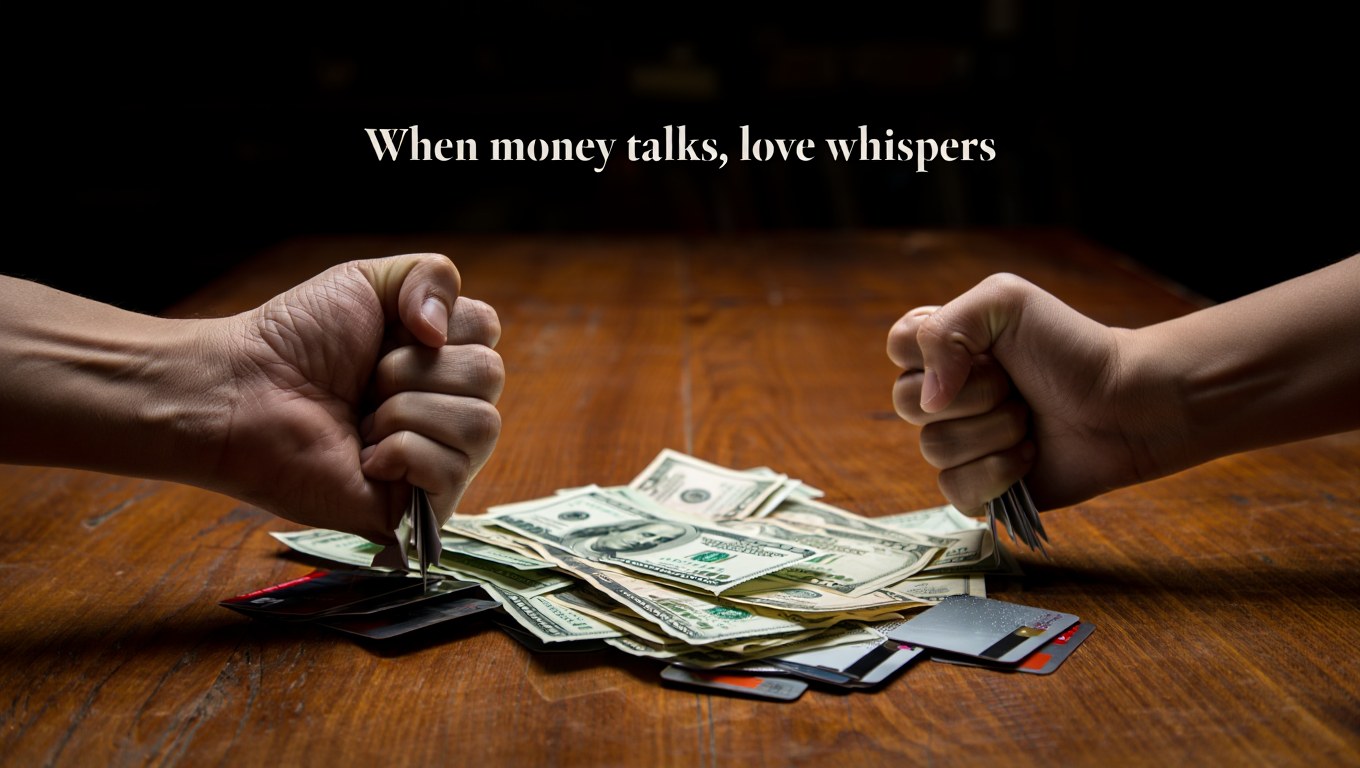
Why Do People Value Money Over Relationships?
People value money over relationships because they believe wealth provides security, status, and happiness that people cannot guarantee. Fear, materialism, and society’s emphasis on financial success drive this misplaced priority.
We live in a world that constantly tells us money equals worth. From social media showcasing luxury lifestyles to job titles defining our identity, financial success seems like the ultimate goal. Some people grow up in poverty and become so afraid of returning there that they sacrifice everything, including relationships, to stay financially comfortable.
Others confuse having things with being happy. They think the next purchase, the bigger house, or the fancier car will finally satisfy them. But material things give temporary pleasure, not lasting fulfillment. Relationships require vulnerability, time, and emotional investment that many people find harder than simply working for money.
There’s also a control factor. Money feels measurable and controllable compared to messy human emotions. You can count dollars but can’t quantify love. Some people prefer the certainty of financial transactions over the uncertainty of emotional connections.
Society doesn’t help either. We celebrate billionaires more than we celebrate good parents. We measure success by salary more than by the quality of someone’s character. Kids grow up learning that money buys respect, so they chase it at any cost.
The truth is that money provides comfort and options, but it can’t replace human connection. People who realize this too late often find themselves wealthy but alone, successful but empty. The saddest realization is that you can’t buy back lost time with people who mattered, and you can’t purchase genuine love, no matter how rich you become.
Can Money Really Destroy Love and Friendship?
Yes, money can destroy love and friendship when it becomes more important than the relationship itself. Financial conflicts, greed, jealousy, and unequal wealth create tensions that break even strong bonds.
Money doesn’t destroy relationships by itself. It’s what money reveals about people that does the damage. When financial gain becomes someone’s priority, they start treating relationships like investments. They calculate returns instead of appreciating moments. They keep score instead of giving freely.
Let’s look at how this plays out in friendships. Two friends grow up together with nothing. They share everything and support each other through hard times. Then one becomes successful. Suddenly there’s awkwardness. The wealthy friend might feel used when asked for help. The struggling friend might feel inferior or resentful. If neither handles these feelings well, the friendship dies.
In families, inheritance tears siblings apart who once got along fine. Parents pass away, and suddenly, brothers and sisters who shared childhood memories become enemies fighting over possessions. The money didn’t create the greed, but it gave that greed something to focus on. It revealed which family members valued stuff more than each other.
Romantic relationships face different challenges. Financial stress creates constant tension. Couples argue about spending habits, debt, or who earns more. Sometimes one partner uses money as control. Other times, someone only stays for financial security, not love. When the money runs out or priorities shift, so does the relationship.
The thing is, relationships can survive money problems if both people prioritize the connection. Couples stay together through poverty when they’re committed. Friends remain close despite wealth differences when they value each other. But when money becomes the reason for the relationship rather than just a circumstance within it, destruction is inevitable.
Money acts like a magnifying glass. It makes small character flaws bigger. It turns minor insecurities into major problems. It tests whether your bond is genuine or transactional. Some relationships pass this test, but many fail it.

How Can You Protect Your Relationships From Money Issues?
You can protect your relationships from money issues by communicating openly about finances, setting clear boundaries, keeping separate identities from wealth, and prioritizing people over profit.
The first step is honest conversation. Talk about money before it becomes a problem. Discuss expectations, values, and financial goals with your partner or close friends. Don’t let resentment build because you’re avoiding uncomfortable topics. When everyone knows where they stand, misunderstandings decrease.
Set boundaries around money in relationships. It’s okay to say no to lending money. It’s healthy to keep some financial independence even in marriage. It’s smart to have clear agreements about who pays for what. Boundaries aren’t mean, they’re protective. They prevent the kind of confusion and resentment that destroys relationships.
Don’t tie your entire identity to your income or net worth. When you define yourself by your bank balance, you’ll attract people who do the same. You’ll also panic when financial situations change. Remember that your value as a person doesn’t fluctuate with the stock market. This perspective helps you stay grounded and maintain genuine connections.
Pay attention to patterns. If someone only contacts you when they need money, that’s a pattern. If your partner only shows affection after you spend money on them, that’s a pattern. Don’t ignore these signs. They tell you what someone truly values. Sometimes protecting your relationships means ending the wrong ones.
In families, discuss inheritance and financial expectations before crisis hits. Parents should be clear about their wishes. Siblings should commit to prioritizing relationships over possessions. These conversations feel awkward, but they prevent future destruction.
For couples, consider some level of financial transparency while maintaining individual autonomy. Joint accounts for shared expenses, personal accounts for individual spending. Regular money meetings to discuss finances without judgment. Professional help when needed from financial counselors or therapists.
Remember that generosity and stupidity are different things. Helping someone once shows kindness. Helping someone repeatedly who never helps themselves shows poor boundaries. You can be generous without being used. You can be financially smart without being selfish.
Most importantly, regularly evaluate what matters most. When you’re clear that relationships matter more than money, you’ll make decisions that reflect that priority. You’ll spend time with people instead of just spending on them. You’ll invest in experiences together rather than comparing possessions. You’ll measure wealth by the quality of your connections, not the quantity of your stuff.
Similar to building healthy relationship dynamics, protecting your relationships from money issues requires intention, communication, and consistent effort.
What Are the Signs Someone Values Money More Than Your Relationship?
Someone values money more than your relationship when they prioritize financial gain over your feelings, treat you differently based on your income, keep a score of expenses, or only contact you when they need financial help.
Watch how someone behaves around money. Do they always steer conversations toward finances, possessions, or costs? Do they judge people primarily by wealth indicators like clothes, cars, or neighborhoods? These patterns suggest where their values lie.
Notice if their treatment of you changes with your financial situation. Friends who disappear when you’re broke but reappear when you’re doing well aren’t real friends. Partners who lose interest when you face financial struggles aren’t committed partners. Family members who only visit when you can afford to host or help them financially aren’t there for you, they’re there for your resources.
Pay attention to keeping score. Does someone constantly remind you what they spent on you? Do they calculate who paid more for what? Do they make you feel guilty for not reciprocating financially, even if you contribute in other ways? Healthy relationships don’t run on spreadsheets.
Look at their priorities during conflicts. When there’s a disagreement, do they focus on emotional resolution or financial settlement? When making decisions together, do they consider your feelings or only the financial impact? Someone who consistently chooses money over your emotional needs shows you their priorities.
Check their reaction when you set financial boundaries. Say no to lending money or funding something expensive. A person who respects you will understand. Someone who values you mainly for financial benefit will react with anger, manipulation, or distance.
Consider their generosity patterns. Do they only give when there’s something to gain? Do they help you with time and energy, or only when payment is involved? Relationships should have mutual support beyond financial transactions.
Watch for manipulation around money. Do they create emergencies that require your financial help repeatedly? Do they make you feel obligated to spend money to prove your love or loyalty? These are control tactics that prioritize their financial gain over genuine connection.
Notice if they celebrate your non-financial wins. Do they care about your personal growth, health improvements, or emotional victories? Or do they only get excited about promotions, bonuses, and income increases? What someone celebrates reveals what they value.
These signs don’t always mean bad intentions. Sometimes people have financial trauma that makes them overly focused on money. Sometimes, cultural values emphasize financial security strongly. But regardless of the reason, if someone consistently puts money before your relationship, you need to protect yourself.
Just as selfish behavior damages family relationships, prioritizing money over people destroys any connection.

Money vs Love: Which Should You Choose?
You should choose love over money because relationships provide meaning, fulfillment, and support that wealth alone cannot deliver. Money provides comfort, but love provides purpose and genuine happiness.
This isn’t about romanticizing poverty or pretending money doesn’t matter. Financial security is important. It reduces stress, provides options, and allows you to take care of basic needs. Nobody should feel guilty for wanting financial stability.
But when you face a choice between money and love, consider what you’re really choosing. Money gives you things, but love gives you reasons to enjoy them. Wealth might buy a big house, but love makes it a home. Success might earn respect, but genuine relationships provide acceptance.
Think long term. At the end of your life, will you remember your bank balance or the people you loved? Would you wish you worked more hours or spent more time with those who mattered? Nobody’s final words are about wishing they had made more money.
Consider what happens when you choose money. You might sacrifice time with children for career advancement. You might stay in an unfulfilling relationship for financial convenience. You might lose friends because you’re always too busy working. These sacrifices accumulate, and eventually, you realize you achieved financial success but lost yourself in the process.
Now consider choosing love. You might have less expensive stuff but more meaningful experiences. You might struggle financially at times, but have support during those struggles. You might not impress strangers with luxury, but you’ll have people who know and value the real you.
The healthiest choice isn’t actually either or. It’s prioritizing love while responsibly managing money. Work hard for financial security, but not at the expense of relationships. Spend money to enhance life with people you love, not replace them with possessions. Value wealth as a tool for building the life you want, not as the destination itself.
Some practical ways to balance both: Choose careers that pay fairly but allow time for relationships. Spend money on experiences with loved ones rather than just accumulating things. Help people you care about when you can, but maintain healthy boundaries. Make financial decisions with your partner, involving them instead of controlling them. Remember that time is more valuable than money because you can always make more money, but never get back lost time.
When someone forces you to choose between them and money, consider what that says about them. A partner who demands you sacrifice career ambitions entirely might not respect your goals. But a partner who wants you to skip one business trip for your child’s birthday has reasonable priorities. Context matters.
Ultimately, choose love more often than money. Choose presence over presents. Choose memories over material things. Choose people who value you over opportunities that just pay you. These choices build a life rich in what actually matters.
Much like learning how to communicate better in relationships, choosing love over money requires intentional decisions and clear priorities.
How to Deal With Friends or Family Who Only Care About Money
Deal with money-focused friends or family by setting firm boundaries, communicating your feelings clearly, limiting your exposure to their behavior, and accepting that you cannot change them.
First, recognize you’re dealing with a values mismatch. They prioritize money; you prioritize relationships. Neither perspective will magically change just because you want it to. Accepting this reality helps you stop hoping they’ll suddenly become different people.
Set clear boundaries immediately. If family members constantly ask for money, practice saying no without lengthy explanations. “I’m not able to help financially” is a complete sentence. Don’t justify, don’t over-explain, don’t apologize. Boundaries feel uncomfortable at first, but they protect your peace and resources.
Communicate how their behavior affects you, but only once. Tell them calmly that you feel valued only for money, not for yourself. Explain that relationships matter more to you than financial transactions. Give them a chance to hear you and change. But if nothing shifts after that conversation, accept who they are and adjust accordingly.
Limit your exposure to toxic behavior. You don’t have to cut people off completely unless they’re truly harmful. But you can reduce time spent with them, avoid situations that trigger financial requests, and keep conversations surface-level. Protect your mental health by controlling how much energy you give them.
Stop lending money to people who show they value you only financially. When you lend knowing you won’t get it back, you’re teaching them that your boundaries don’t matter. It’s hard to say no to family, but it’s harder to keep enabling behavior that hurts you.
Find and invest in relationships that reflect your values. Spend more time with friends who value you beyond your wallet. Build connections with people who show up for you emotionally, not just financially. These healthy relationships remind you what a genuine connection looks like.
Don’t take their behavior personally, even though it hurts. Their money obsession usually comes from their own fears, wounds, or value system. It’s about them, not your worthiness. You’re not obligated to fix their greed or heal their financial trauma.
In family situations where you can’t avoid someone completely, keep interactions brief and topic-limited. Avoid discussing your finances. Change the subject when they bring up money. Create emotional distance even if physical distance isn’t possible.
Consider whether the relationship adds any value to your life. Just because someone is family doesn’t mean they deserve unlimited access to you. If they bring only stress, demands, and negativity, it’s okay to create significant distance or even end contact.
Document patterns if you need validation. Sometimes we doubt ourselves or feel guilty for setting boundaries. Keep track of requests, behaviors, and patterns. This evidence reminds you that your feelings are justified and your boundaries are necessary.
Seek support from others who understand. Talk to friends outside that circle, join support groups, or work with a therapist. Dealing with money-focused people is emotionally draining. You need people who validate your experience and support your decisions.
Remember that you can’t make someone value relationships if they don’t. You can’t force someone to love you beyond what you provide financially. This isn’t your failure; it’s their limitation. Your job is to protect yourself, not change them.
Just as you would deal with toxic family members in other contexts, handling money-obsessed relatives requires strong boundaries and self-protection.
Conclusion: What We Learn From Money Spoiling Relationships
Money reveals character more than it creates it. These 157+ quotes teach us that wealth, greed, and financial stress don’t introduce problems into relationships. They expose issues that were always there beneath the surface. The friend who abandons you after getting rich was never truly loyal. The family member who fights over inheritance never valued you over possessions. The partner who measures your worth by your paycheck never loved the real you.
We’ve explored how money changes people, destroys friendships, tears families apart, and tests love. The common thread through every quote and every section is this: relationships fail when we stop seeing people as people and start viewing them as opportunities, resources, or obstacles to wealth.
The good news is that awareness protects you. When you recognize these patterns in yourself and others, you can make better choices. You can set boundaries with money-focused people. You can prioritize relationships over wealth. You can choose to be someone whose character improves with success rather than corrupts. You can build connections based on genuine care rather than financial benefit.
Money will always be part of life. We need it for survival and comfort. The question isn’t whether to have money, but rather what we’re willing to sacrifice to get it and what we do with it once we have it. The healthiest approach values people over profit, measures wealth by relationships rather than possessions, and understands that the richest life comes from love, not luxury.
Use these quotes as reminders when you face financial decisions that impact relationships. Share them with others who need perspective. Let them guide you toward building connections that last beyond bank balances. Because at the end of everything, what matters isn’t how much you accumulated but who stayed with you through it all, and who you treasured enough to put before treasure itself.
If these quotes resonated with you, explore more wisdom about dealing with disappointment, building meaningful friendships, and creating healthy relationships that stand the test of time and circumstance.
Remember, money is temporary. Character is permanent. Relationships are priceless. Choose wisely.
You May Also Like
 Money Quotes
50+ Money Heist Quotes: Iconic Lines from La Casa de Papel That Define Resistance and Rebellion
 Money Quotes
135+ Hurt Quotes on Money and Relationship: When Finances Break Hearts and Trust
 Money Quotes
150+ Money Can Destroy Relationship Quotes
 Money Quotes
135+ Wealth and Happiness Quotes: Does Money Really Buy Joy?
 Money Quotes
138+ Without Money No Respect Quotes: How Society Treats People Based on Wealth
 Money Quotes
115+ Money Problem in Relationship Quotes: Real Talk About Financial Struggles in Love
 Mental Health
How to Understand and Manage Your Emotions in Everyday Life
 Personal Growth
10 Good Things Confident Women Do Every Day
 Family and Relationships