100+ This or That Questions for Halloween: Spooky Party Games
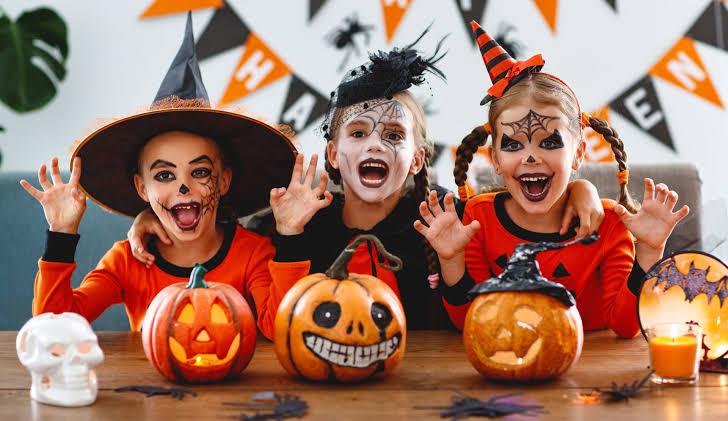
Halloween parties need games that get everybody talking and laughing. This or that questions for Halloween are a great way to help get everybody warmed up and engaged. This or that Halloween questions are simple choice questions that ask people to state a preference between one or the other option. Using this or that Halloween questions can help you learn more about your friends, get everyone talking, and create lasting memories.
We’ve put together over 100 this or that questions just for your Halloween celebration. Whether you’re planning a kids’ pumpkin party, an adult costume bash, or a virtual hangout, we’ve got questions for every group. From horror movie debates to candy choices and supernatural scenarios, you’ll find everything organized in easy categories that make your Halloween party unforgettable.
What Are This or That Questions for Halloween?
This or that questions Halloween are a type of binary choice game in which a player must choose between two Halloween-themed options. This type of question is designed to quickly create decision-making games that allow one to express their Halloween preferences in depth and have a good time doing it.
The format is simple. You present two related Halloween options, and each person chooses one. For example, “Vampires or werewolves?” or “Trick-or-treating or Halloween parties?” There’s no right or wrong answer. It’s all about preferences and opinions.
We love using these questions because they work for any age group. Kids enjoy debating candy choices. Teens dive into horror movie discussions. Adults appreciate deeper questions about Halloween traditions. Everyone finds something to talk about.
These questions also help shy guests join conversations. Instead of thinking of topics from scratch, they simply choose and explain their pick. This makes this or that questions perfect ice-breakers for mixed groups where not everyone knows each other. You can also try truth or dare questions for fun games.
Why Should You Use This or That Questions at Your Halloween Party?
Halloween parties can sometimes be awkward when people don’t know what to talk about. With this or that questions, you can easily get people to share their opinions with others at the party. These types of questions are very helpful because they are judgment-free.
No one is going to judge you for liking ghosts over zombies because that’s who you are as a person.
These questions can really bring a group of people together. We have seen these questions make a dull party come to life and have people debating on whether skeletons are creepier than mummies. We have seen friends discover new interests through these questions and even family members learn new things about each other.
The versatility makes them valuable too. Use them during costume contests while waiting for the votes to be counted. Use them at the dinner table during the meal. Use them for virtual hauntings for those who are attending by phone. The possibilities are endless!
They can also be modified. If a question is not received well, move on to the next one. If a topic is discussed well, ask more questions about that topic. You decide how to handle the questions and what to do with them based on your audience.
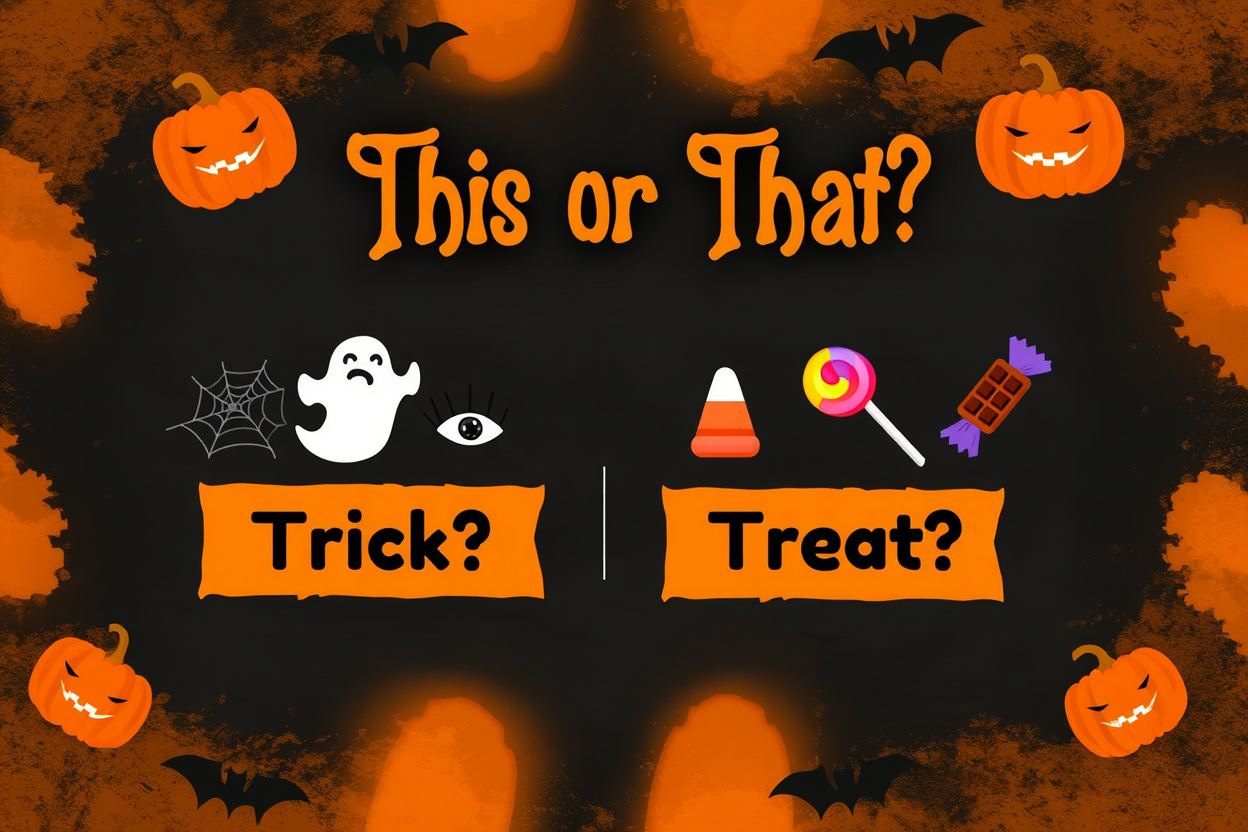
How Do This or That Questions Improve Halloween Gatherings?
These questions help to set the structure for the game without making it too stiff or boring. A lot of hosts stress about keeping their guests entertained, but these questions do just that. They also help to provide talking points for people to discuss.
In addition, these questions bring out interesting tidbits of information from everyone. You never know what quirky facts or opinions people have until you ask them. This allows guests to express their individuality and allows them to bond over their similarities.
These questions are great for all ages. Grandparents, parents, and their children can all answer the questions. This means that they can all bond over each other’s answers.
Besides being entertaining, these questions will become great memories in the future. People will look back on the heated arguments about Halloween desserts or remember hearing ghost stories from their grandpa. In addition, these questions are perfect for online hangouts.
It can sometimes be hard to find things to talk about over video since staring at a screen for too long can be uncomfortable. This or that questions will liven up virtual chats and give people something to discuss.
20 Classic Halloween Monster This or That Questions
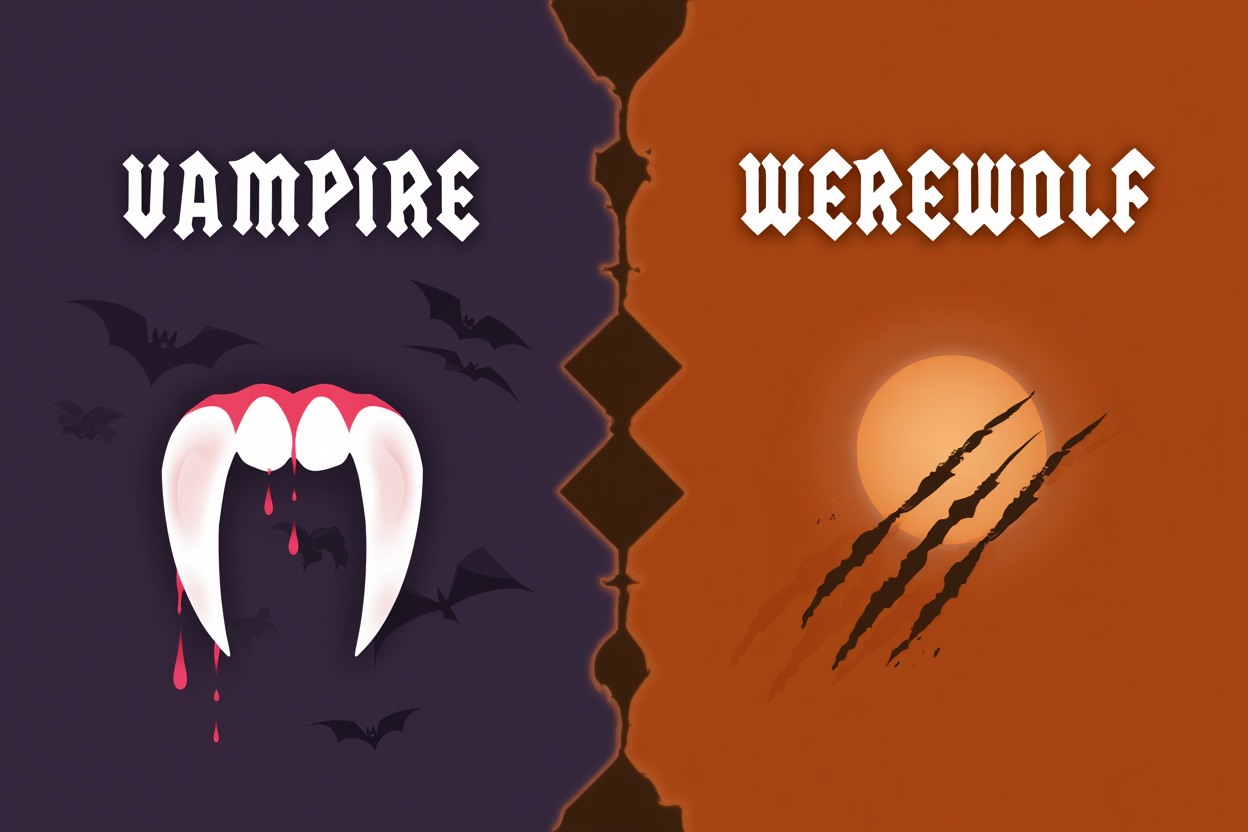
Which Halloween monsters create the best debates?
Classic monsters form the foundation of Halloween lore. These creatures have appeared in countless movies, books, and costumes. Asking people to choose between them reveals their horror preferences and childhood influences.
- Vampires or werewolves?
- Zombies or ghosts?
- Witches or wizards?
- Mummies or skeletons?
- Frankenstein’s monster or Dracula?
- Ghouls or goblins?
- Demons or devils?
- Sea monsters or swamp creatures?
- Giant spiders or killer bees?
- Evil clowns or creepy dolls?
- Aliens or monsters from outer space?
- Bigfoot or the Loch Ness Monster?
- Gargoyles or chimeras?
- Banshees or sirens?
- Trolls or ogres?
- Gremlins or imps?
- Cyclops or minotaur?
- Phoenix or dragon?
- Medusa or the Kraken?
- Yeti or Chupacabra?
These questions are good because everyone has an opinion. Most people have seen these “monsters” in cartoons, movies, or bedtime stories. Some may take more time to answer than others, but most people will have different experiences.
20 Halloween Candy and Food This or That Questions
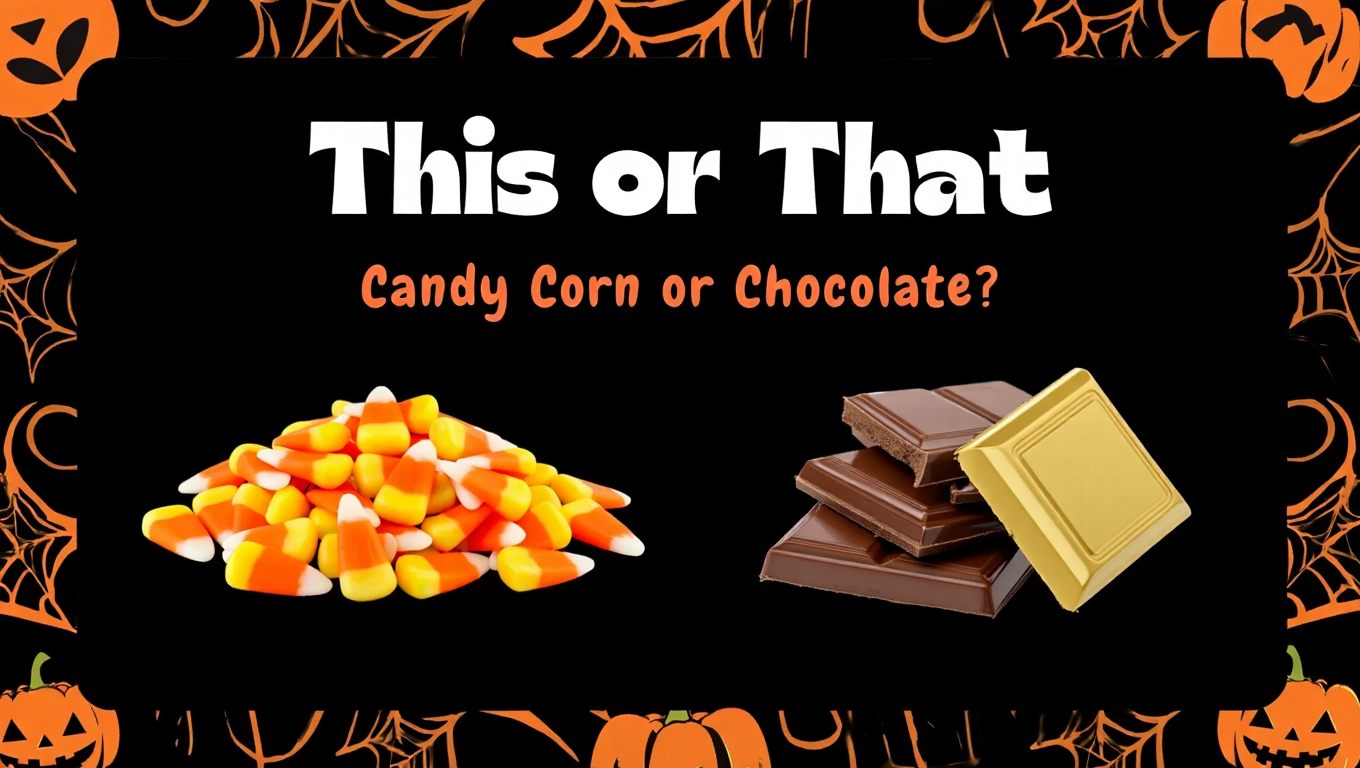
What food choices spark Halloween debates?
Halloween is all about candy and treats. That’s why these questions are so relatable to the average person. They really bring out people’s opinions on what they like more. People tend to get pretty defensive about food choices since that’s part of their childhood tastes and nostalgia.
- Chocolate or gummy candy?
- Candy corn or candy pumpkins?
- Full-size candy bars or variety packs?
- Sour candy or sweet candy?
- Pumpkin pie or apple pie?
- Caramel apples or candy apples?
- Halloween cookies or Halloween cupcakes?
- Popcorn balls or Rice Krispie treats?
- Reese’s or Snickers?
- M&Ms or Skittles?
- Kit Kat or Twix?
- Lollipops or hard candy?
- Peanut butter cups or chocolate bars?
- Hot chocolate or apple cider?
- Pumpkin spice or cinnamon?
- Sugar cookies or gingerbread?
- Licorice or taffy?
- Jelly beans or jujubes?
- Marshmallows or gummy bears?
- Chocolate chip cookies or oatmeal cookies?
We think these type of questions create the most controversy. People tend to have very passionate opinions about their favorite candy or what other candy they dislike. The people who love the candy corn will tell you how right they are and how very wrong the other candy lovers are. It is actually quite fun to hear them talk about it.
20 Halloween Movie and Entertainment This or That Questions
Which entertainment questions work best for movie fans?
Horror movies and Halloween entertainment provide endless debate material. These questions work especially well for teenage and adult groups who’ve seen enough films to have strong opinions.
- Horror movies or comedy movies?
- Classic horror or modern horror?
- Paranormal Activity or The Conjuring?
- Nightmare on Elm Street or Friday the 13th?
- Halloween or Scream?
- Hocus Pocus or The Nightmare Before Christmas?
- Beetlejuice or Casper?
- Ghostbusters or Men in Black?
- The Addams Family or The Munsters?
- Stranger Things or American Horror Story?
- The Walking Dead or The Vampire Diaries?
- It or The Shining?
- The Exorcist or The Omen?
- Saw or Hostel?
- Get Out or A Quiet Place?
- Supernatural or Buffy the Vampire Slayer?
- Hotel Transylvania or Monster House?
- Coraline or ParaNorman?
- Goosebumps or Are You Afraid of the Dark?
- Rocky Horror Picture Show or Little Shop of Horrors?
These questions work differently from others. They assume some shared cultural knowledge, so they’re better for groups with similar age ranges. If your crowd hasn’t seen older movies, adjust by focusing on recent releases that everyone knows.
20 Halloween Activity and Tradition This or That Questions
What Halloween activities divide people most?
How people celebrate Halloween varies widely. Some prefer active participation while others enjoy passive observation. These questions reveal celebration styles and can help you plan future events.
- Trick-or-treating or handing out candy?
- Halloween parties or haunted houses?
- Costume contests or pumpkin carving contests?
- Bobbing for apples or pin the tail on the black cat?
- Hayrides or corn mazes?
- Ghost stories or scary movies?
- Decorating indoors or decorating outdoors?
- DIY decorations or store-bought decorations?
- Group costumes or individual costumes?
- Face paint or masks?
- Halloween parade or neighborhood walk?
- Bonfires or indoor parties?
- Pumpkin picking or pumpkin buying?
- Making your own costume or buying one?
- Staying home or going out?
- Day parties or night parties?
- Small gatherings or big bashes?
- Themed parties or general Halloween parties?
- Adult-only parties or family-friendly events?
- Virtual celebrations or in-person celebrations?
We ask these questions to figure out what our guests are into. If everyone likes haunted houses more than parties, well, we’ll have to reconsider next year. The answers will help us get an idea of how to better plan the future event.
20 Halloween Costume This or That Questions
Which costume debates get the most attention?
Costumes represent Halloween’s creative side. These questions explore personal style, comfort levels, and creativity preferences. They often lead to stories about past costume successes or disasters.
- Scary costume or funny costume?
- Homemade costume or store-bought costume?
- Solo costume or couple’s costume?
- Classic character or current trend?
- Superhero or villain?
- Animal costume or human character?
- Historical figure or fictional character?
- Simple costume or elaborate costume?
- Comfortable costume or impressive costume?
- Makeup-heavy costume or prop-heavy costume?
- Movie character or book character?
- Disney character or Marvel character?
- Zombie or vampire look?
- Witch or wizard costume?
- Ghost or skeleton costume?
- Pirate or ninja costume?
- Robot or alien costume?
- Clown or mime costume?
- Matching family costumes or individual choices?
- Recycling old costumes or creating new ones?
These questions often spark stories. Someone mentions their worst costume experience, and suddenly everyone shares their own. This storytelling builds group bonding and keeps conversations flowing naturally.
15 Would You Rather Halloween Scenario Questions
How do scenario-based questions differ from simple choices?
Would you rather questions add stakes to the choices. Instead of simple preferences, they create hypothetical situations that require deeper thinking. These questions work well when regular this or that questions start feeling repetitive.
- Would you rather spend Halloween night in a haunted house or a cemetery?
- Would you rather have to wear a costume every day for a year or never wear one again?
- Would you rather fight one horse-sized zombie or 100 duck-sized zombies?
- Would you rather have vampire powers or werewolf powers?
- Would you rather eat only candy corn for a week or never eat it again?
- Would you rather be chased by a slow zombie or a fast ghost?
- Would you rather have a pet bat or a pet spider?
- Would you rather spend Halloween in a pumpkin patch or a haunted forest?
- Would you rather give up trick-or-treating or costume parties?
- Would you rather have to watch only horror movies or never watch them?
- Would you rather carve 50 pumpkins or hand out candy to 500 kids?
- Would you rather be invisible on Halloween or able to fly?
- Would you rather celebrate Halloween year-round or skip it forever?
- Would you rather have Halloween decorations up all year or none at all?
- Would you rather receive only chocolate or only non-chocolate candy?
We save these for later in the party when people know each other better. The explanations get more creative and humorous as guests feel more comfortable. They often lead to the funniest moments of the evening.
How to Use These Questions at Your Halloween Party
What methods work best for presenting this or that questions?
The delivery method matters as much as the questions themselves. How you present them affects engagement levels and response quality. We’ve tested different approaches and found several that work consistently well.
- Group Circle Format: Everyone sits in a circle. Go around and each person answers the same question before moving to the next one. This ensures everyone participates equally and prevents louder personalities from dominating.
- Speed Round: Rapid-fire questions where people shout out answers without explanation. This works great as an energizer when party energy dips. Save deeper discussions for questions that generate interesting responses.
- Team Competition: Split into teams. Teams earn points for unanimous answers or creative explanations. This adds competitive energy and encourages group discussion within teams before announcing answers.
- Digital Display: Project questions on a screen or TV. This works especially well for larger parties where not everyone can hear clearly. People can read and process the question before answering.
- Question Cards: Write questions on cards. Pass them around and let people draw randomly. This creates surprise and keeps the game feeling fresh since nobody knows what’s coming next.
- Voting System: Use colored cards or hand signals for A/B choices. Everyone votes simultaneously, which prevents people from copying popular answers. It shows true preferences rather than influenced ones.
- Partner Predictions: Pair up guests. One person predicts their partner’s answer before they reveal it. This works great for couples or close friends and often reveals how well they know each other.
Tips for Adapting Questions to Different Age Groups
How can you modify questions for various audiences?
Not all questions work for all ages. You need to adjust content, complexity, and references based on who’s playing. We’ve learned how to make these modifications smoothly without creating awkward moments.
- For Young Children (Ages 4-7): Keep it very simple. Use visual references they know from cartoons and books. “Friendly ghost or friendly witch?” works better than complex character references. Avoid anything genuinely scary that might upset them.
- For Kids (Ages 8-12): They can handle slightly spooky content but still need familiar references. Current movies and popular characters work well. They love debates about candy and costumes because these directly affect their Halloween experience.
- For Teens (Ages 13-17): They want to seem mature, so classic horror questions appeal to them. They also enjoy questions about parties and social activities. Pop culture references should be very current since teen trends change quickly.
- For Adults: Any questions work, but the most interesting ones involve nostalgia or sophisticated preferences. Adults enjoy explaining their reasoning, so give them space to elaborate. They often appreciate humor and self-awareness in questions.
- For Mixed Ages: Stick to universal topics everyone can relate to. Candy, costumes, and basic monster choices work across generations. Avoid references specific to one age group that would exclude others.
- For Seniors: Classic Halloween elements resonate strongly. They often have rich stories about old-fashioned Halloween traditions. Questions comparing past and present celebrations generate fascinating discussions about how things have changed.
If you’re hosting a mixed-age event, consider splitting into age-appropriate groups for part of the game, then bringing everyone together for universal questions. This ensures everyone feels included and engaged. You might also find it helpful to check out our fun conversation topics for more ideas that work across different age groups.
Creating Your Own Halloween This or That Questions
What makes a good custom this or that question?
Sometimes you’ll want questions specific to your group or situation. Creating custom questions isn’t hard once you understand the formula. We’ve developed a simple process that generates quality questions every time.
- Start with relevant topics: Think about what your guests care about. Are they foodies? Create food-focused questions. Big movie fans? Emphasize film choices. The more relevant the topic, the more engaged they’ll be.
- Balance the options: Make both choices appealing. If one option is obviously better, there’s no real decision. “Unlimited candy or one piece of candy” isn’t interesting because everyone picks unlimited. “Unlimited candy corn or unlimited chocolate” creates genuine debate.
- Use current references: Incorporate trending movies, shows, or memes. If a new horror movie has just been released, include it. Current references feel fresh and exciting compared to questions people might have seen online.
- Add humor: Funny questions break the tension and encourage laughter. “Friendly witch who bakes cookies or mean witch who gives out toothbrushes?” makes people smile while they choose.
- Consider your setting: Location-specific questions work well. If you live near a famous haunted location, reference it. If your town has unique Halloween traditions, build questions around them.
- Test questionable content: If you’re unsure whether a question might offend, ask a friend privately first. Some topics seem funny in your head but fall flat or offend in practice.
- Mix difficulty levels: Include some easy slam-dunk questions and some that require thought. This variety keeps the game from feeling monotonous.
- Document good questions: When you create a winner, write it down. Build your personal collection over the years. You’ll develop questions perfectly suited to your specific friend group or family.
Common Mistakes to Avoid When Playing This or That
What errors ruin the experience?
We’ve seen certain mistakes kill the fun repeatedly. Knowing what to avoid helps you steer clear of these pitfalls and keep your party atmosphere positive.
- Forcing participation: Some people are shy or need time to warm up. Don’t put them on the spot aggressively. Let them pass if they want. They’ll join when comfortable.
- Moving too quickly: Racing through questions doesn’t allow for discussion. The explanations matter as much as the answers. Give people space to elaborate if they want.
- Judging answers: There’s no wrong choice in this or that questions. If someone likes candy corn and you don’t, that’s fine. Creating a judgment-free zone encourages honest answers.
- Ignoring the room: If a question bombs, move on quickly. Don’t force a topic nobody cares about. Stay flexible and responsive to your crowd’s energy.
- Making it competitive unnecessarily: Not everything needs a winner. Sometimes, just playing for fun works better. Adding scores and prizes can create pressure that reduces enjoyment.
- Using obscure references: Questions about movies nobody’s seen or characters people don’t know feel exclusionary. Stick to widely known references unless you’re sure your specific group will understand.
- Asking inappropriate questions: Know your audience. What works at an adult party doesn’t work at a family gathering. When in doubt, err on the side of caution.
- Dominating the conversation: If you’re the host, don’t hijack every question with long stories. Model brief answers and let others shine.
- Repeating questions: If you’ve used a question at a previous gathering with the same people, skip it. Repetition feels lazy and boring.
Similar to how we discuss healthy relationship tips, good party hosting requires attention, flexibility, and respect for boundaries.
Benefits Beyond Entertainment
What additional value do these questions provide?
While these questions entertain, they also serve deeper purposes. Understanding these benefits helps you appreciate why they’re worth including in your celebration.
- Building communication skills: Kids especially benefit from practice articulating preferences and defending choices. These soft skills transfer to school and future workplace scenarios.
- Teaching decision-making: Making choices, even silly ones, exercises decision-making muscles. Children learn to weigh options and commit to answers.
- Encouraging self-awareness: Explaining why you prefer something requires understanding yourself. People discover preferences they hadn’t consciously acknowledged before.
- Creating inclusion: Everyone can participate regardless of physical ability, costume quality, or social status. This levels the playing field at parties where some guests might otherwise feel left out.
- Documenting growth: Recording family answers over years shows how preferences change. What kids loved at age seven differs from their teenage choices. It’s fun to look back and see evolution.
- Reducing anxiety: Structured questions eliminate the pressure of thinking of conversation topics. Anxious guests appreciate having clear prompts instead of navigating open-ended socializing.
- Strengthening relationships: Learning small details about friends and family deepens connections. You might discover a shared love of certain candies or matching opinions about monsters.
- Preserving traditions: Annual Halloween questions become traditions themselves. Families look forward to the ritual each year, creating continuity and comfort.
Just as we discuss in our guide about building self-esteem, small positive interactions accumulate into significant confidence growth over time.
FAQ About Halloween This or That Questions
Can you use these questions for kids’ parties?
Yes, this or that questions work wonderfully for children’s Halloween parties. Kids enjoy making choices and explaining their preferences. Just select age-appropriate questions that avoid genuinely scary content. Focus on candy, costumes, friendly monsters, and fun activities rather than horror elements. The simple format works perfectly for short attention spans since each question takes minimal time.
How many questions should you prepare?
Prepare more questions than you think you’ll need. We recommend having at least 30-40 questions ready, even if you only plan to use 15-20. This gives you flexibility to skip questions that don’t land well or extend the game if it’s going great. Different groups move through questions at different speeds depending on how much discussion each answer generates.
Do these questions work for adult Halloween parties?
Absolutely. Adults often enjoy these questions more than kids because they can engage in deeper discussions about their choices. Use questions that reference classic horror films, sophisticated food preferences, and nostalgic Halloween memories. Adults appreciate the humor and nostalgia these questions trigger. They also enjoy the low-pressure format that doesn’t require extensive preparation or physical activity.
Can you play this game virtually?
Yes, virtual Halloween parties benefit greatly from this or that questions. They provide structure to video calls that might otherwise feel awkward. Use polling features in video platforms for quick votes, or have people type answers in chat. The simplicity translates perfectly to digital formats. Virtual parties actually need these structured activities more than in-person events because natural conversation flows less easily through screens.
What if someone can’t choose between options?
Allow people to pass or explain why they’re torn between both choices. The struggle to decide often leads to interesting discussions about why both options appeal to them. You can also let them choose both and explain how they’d combine elements if possible. Flexibility keeps the game fun rather than stressful. The goal is conversation, not forced decisions.
How long does playing these questions take?
Timing varies dramatically based on group size and discussion depth. A group of five might spend 20-30 minutes on 20 questions if they briefly explain choices. The same questions with 20 people who tell stories about each answer could take 90 minutes. Plan for roughly 1-2 minutes per question per participant, but stay flexible based on your group’s engagement level.
Should you explain your choices or just answer?
Both approaches work depending on your time constraints and group preferences. Quick-fire rounds where people just shout answers create energy and excitement. Rounds where everyone explains their reasoning create deeper conversations and connections. We recommend mixing both styles throughout your party. Use quick rounds as energizers and explained rounds for meaningful discussion.
Can you repeat questions from previous years?
You can, but it’s more interesting to introduce new questions each year while keeping a few favorites. If you repeat questions with the same group, people’s answers might change as they age and have new experiences. Asking the same question across multiple years shows how preferences evolve. Document answers to create a fun tradition of tracking changes.
What makes a this or that question bad?
Bad questions have obvious answers that create no debate. “Candy or rocks?” doesn’t work because everyone picks candy. Questions that reference extremely obscure content also fail because people can’t relate. Offensive questions that make guests uncomfortable obviously ruin the atmosphere. The best questions offer two genuinely appealing options that reasonable people might choose differently.
How do you keep shy people engaged?
Don’t force spotlight moments on shy participants. Let them answer without explaining if they prefer. You can also use written response methods where everyone writes answers on paper simultaneously. This removes public speaking pressure. Pair shy people with outgoing partners who can help draw them out gently. Most importantly, create a judgment-free atmosphere where all answers are accepted positively.
Conclusion
Halloween this or that questions will make your parties a place where the whole company can have fun, discuss various topics, and enjoy each other’s company. We have prepared more than 100 questions about monsters, candy, movies, activities, and costumes for you to spark your guests’ interest and have more exciting conversations this Halloween. This game is easy to organize: there is no need to buy various materials and preparations; just collect the guests and start asking questions.
All questions are split into categories so that you can choose the most relevant ones for your friends or family members. Also, please remember to be flexible when playing because different ages require different topics. It is essential to have a good time and be yourself while playing this game so that all participants can express their opinions. Have your collection of Halloween-themed questions printed and cut into strips so that you can ask your friends or family members more interesting and fun questions. You may also want to customize the questions depending on who exactly you are going to play with. This way, you will ensure that everyone will have some answers to provide and express their opinions on. This game is one of those rare things that will delight every member of your family and make your Halloween holidays an experience they will never forget.
Organize your questions so that you can play with your guests at any age. You may want to make some questions more personalized depending on who you are going to ask. That way, you will also ensure that everyone will have something interesting to say. Try to come up with more ideas for this game so that you can play it next year as well. You may want to print some questions on cards so that you could cut them and make a deck of cards. The whole game will turn into an adventure where everyone wants to join because no one likes being left out when it comes to discussing something funny or controversial. So why not make this Halloween the most memorable one?
You May Also Like
 Fun Questions
1500+ This or That Questions for 2026: From Silly Choices to Deep Conversations
 Fun Questions
What Does WSG Mean in Text? How to Respond to WSG in Messages and Social Media
 Fun Questions
350+ Truth or Dare Questions: Play Classic Party Games With Your Friends
 Fun Questions
250+ This or That Questions for Back to School: The Ultimate Icebreaker Guide for Teachers and Students
 Fun Questions
157+ This or That Questions for Cousins: Fun Conversations
 Fun Questions
155+ This or That Questions for Black People: A Complete Cultural Connection Guide
 Fun Questions
What Does GNG Mean in Text? Meaning Slang, Examples, and Real Usage
 Fun Questions
What Does SYBAU Mean? SYBAU Slang Meaning, Origin & Examples
 Fun Questions