150+ This or That Questions for Elementary Students: Fun Classroom Icebreakers
This or that questions for elementary students are simple choice-based questions that help children develop decision-making skills, express preferences, and build social connections through engaging conversations. These questions present two options—such as “pizza or tacos” or “summer or winter”—requiring students to choose one answer and often explain their reasoning.
We’ve seen these questions work wonders in classrooms across the country. Teachers use them during morning meetings, parents bring them to family dinners, and camp counselors rely on them to break the ice. The beauty lies in their simplicity. Every child can participate, regardless of reading level or language skills.
In this guide, we’ll share over 150 carefully selected this or that questions that work perfectly for elementary students. You’ll discover questions organized by category, learn how to use them effectively, and understand why they matter for your child’s development.
What Are This or That Questions?
This or that questions are choice-based questions that present two options where students must pick one answer and explain their preference. These questions create a simple framework that removes the pressure of open-ended responses while encouraging thoughtful decision-making.
Think of them as guided conversations. Instead of asking “What’s your favorite food?” which can overwhelm young children, you ask “Pizza or tacos?” The limited choices make it easier for kids to respond quickly and confidently.
We love these questions because they level the playing field. Shy students find them less intimidating than traditional discussion questions. English language learners can participate without complex vocabulary. Even students who struggle with verbal expression can point to their choice or use simple words.
How Do They Work in Elementary Settings?
The format is straightforward. You present two options, students choose one, and then—if appropriate—they share why they made that choice. The magic happens in that second step. When children explain their reasoning, they practice critical thinking and communication skills.
Here’s what a typical exchange looks like in our classrooms:
Teacher: “Books or movies?” Student: “Movies!” Teacher: “Tell us why.” Student: “Because I like seeing the characters move and hearing their voices.”
This simple interaction accomplishes multiple learning goals. The student made a decision, articulated a preference, and provided reasoning. All in less than 30 seconds.
Why Use This or That Questions with Elementary Students?
What Benefits Do These Questions Provide?
This or that questions build essential social and cognitive skills in elementary students through low-pressure, engaging interactions. Research shows that structured choice activities improve decision-making abilities and boost classroom participation rates.
We’ve watched these questions transform quiet classrooms into vibrant discussion spaces. Students who rarely raise their hands suddenly have opinions to share. The binary nature removes the fear of giving a “wrong” answer—both choices are valid.
How Do They Support Social Development?
These questions create immediate common ground between students. When two kids discover they both prefer dogs over cats, they’ve found a connection point. These small moments of agreement build classroom community.
Social skills develop naturally through these exchanges. Students learn to express preferences clearly, listen to different viewpoints, respect opposing choices, find commonalities with peers, and practice turn-taking in conversations.
We notice that students become more comfortable sharing personal preferences over time. This confidence transfers to other classroom discussions and academic settings.
Do They Improve Communication Skills?
Yes, this or that questions significantly improve communication skills by providing a structured format for self-expression and verbal reasoning. Children practice articulating thoughts clearly while building vocabulary and conversational fluency.
The repetitive structure helps students internalize communication patterns. After answering several questions, they automatically start explaining their choices without prompting. This habit strengthens their ability to support opinions with reasons.
For English language learners, these questions offer valuable practice with comparative language. They learn phrases like “I prefer,” “I like better,” and “I choose because.” These linguistic patterns transfer to writing and formal presentations.
150+ This or That Questions for Elementary Students
Food Questions
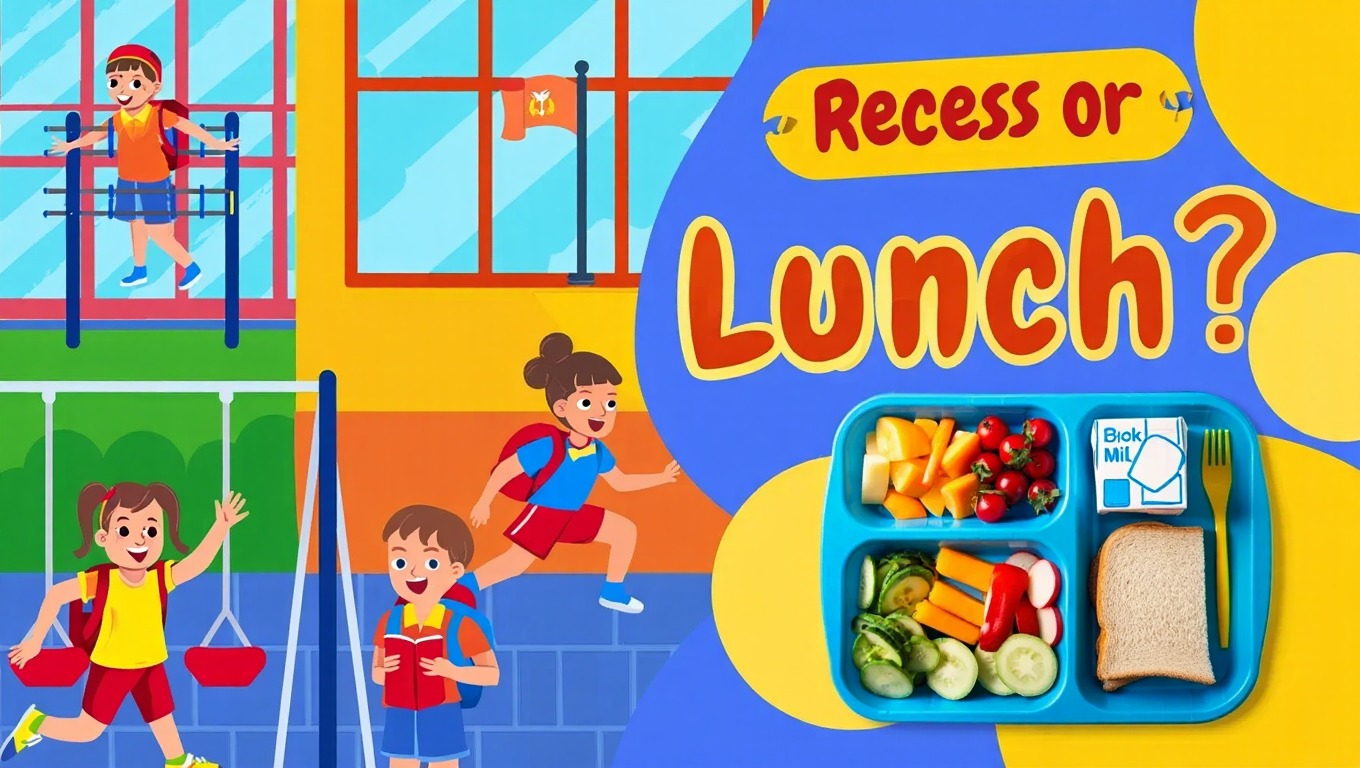
Food questions are universally engaging for elementary students because every child has eating experiences and preferences to share. These questions work perfectly during lunch time, snack breaks, or nutrition lessons.
- Pizza or hamburgers?
- Chocolate or vanilla?
- Apples or oranges?
- Cookies or cake?
- Ice cream or popsicles?
- Carrots or celery?
- Pancakes or waffles?
- Chicken nuggets or hot dogs?
- Spaghetti or mac and cheese?
- Strawberries or blueberries?
- Pretzels or chips?
- Popcorn or candy?
- Tacos or burritos?
- French fries or onion rings?
- Juice or milk?
If you’re looking for more food-related questions, we have an entire collection focused specifically on culinary choices that kids love to discuss.
Animal Questions
Animals capture children’s imagination and spark enthusiastic discussions. These questions help students think about characteristics, habitats, and animal behaviors while expressing personal preferences.
- Dogs or cats?
- Lions or tigers?
- Dolphins or whales?
- Birds or fish?
- Rabbits or hamsters?
- Elephants or giraffes?
- Penguins or polar bears?
- Butterflies or ladybugs?
- Horses or ponies?
- Frogs or lizards?
- Snakes or turtles?
- Monkeys or gorillas?
- Sharks or octopuses?
- Bees or ants?
- Owls or eagles?
Activity and Hobby Questions
These questions reveal what students enjoy doing in their free time. They help teachers understand student interests while giving classmates conversation starters for building friendships.
- Reading or drawing?
- Playing outside or video games?
- Swimming or riding bikes?
- Soccer or basketball?
- Dance or gymnastics?
- Building with blocks or playing with dolls?
- Board games or card games?
- Painting or coloring?
- Singing or playing instruments?
- Camping or staying in hotels?
- Climbing trees or jumping rope?
- Playing tag or hide and seek?
- Crafts or science experiments?
- Skateboarding or roller skating?
- Flying kites or blowing bubbles?
School Subject Questions
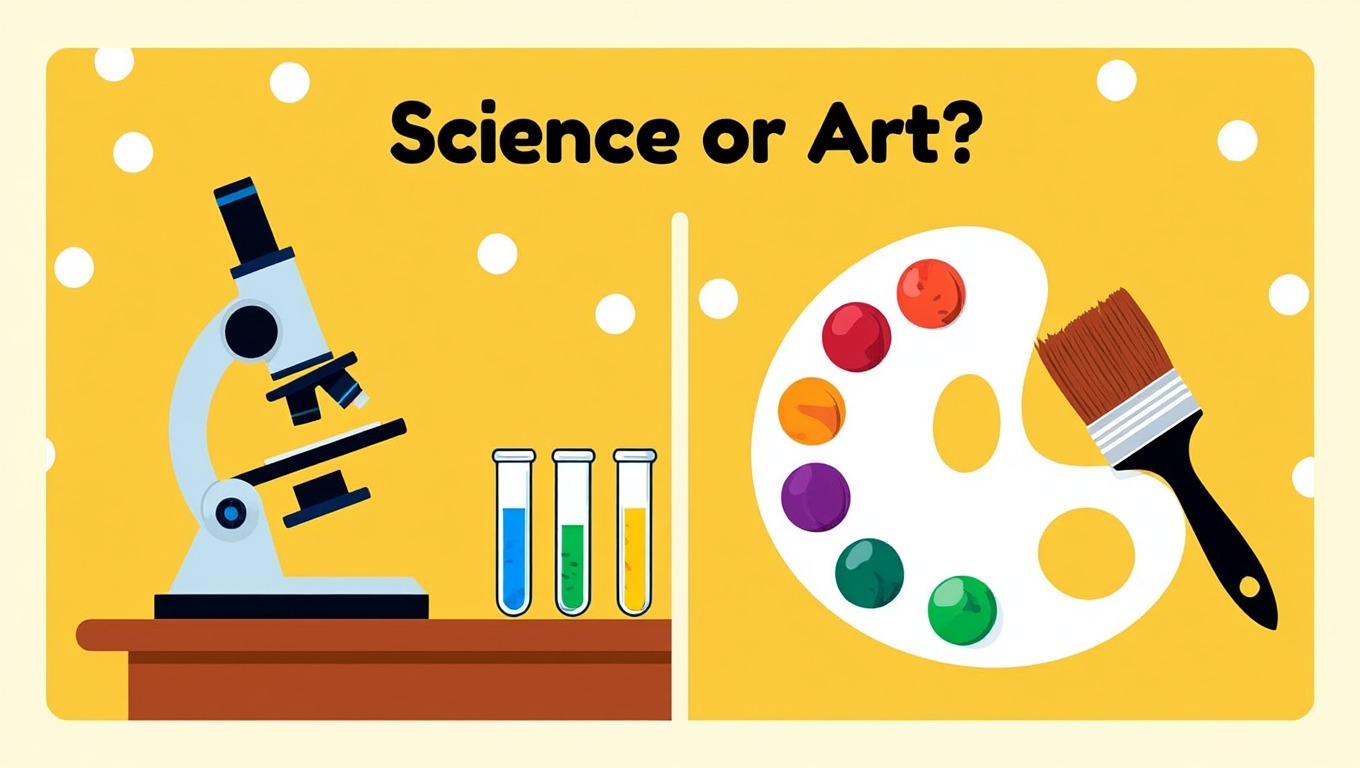
Subject preference questions help us understand how students view different areas of learning. They can guide teachers in making cross-curricular connections and validating diverse academic interests.
- Math or reading?
- Science or social studies?
- Art or music?
- P.E. or recess?
- Writing stories or solving problems?
- Library time or computer lab?
- Group projects or independent work?
- Learning about space or oceans?
- History or geography?
- Spelling or vocabulary?
Season and Weather Questions
Seasonal questions connect to students’ real-world experiences and help them articulate preferences about climate, activities, and natural phenomena.
- Summer or winter?
- Spring or fall?
- Sunny days or rainy days?
- Snow or rain?
- Hot weather or cold weather?
- Swimming in summer or sledding in winter?
- Jumping in puddles or making snow angels?
- Beach days or mountain trips?
- Spring flowers or fall leaves?
- Building snowmen or building sandcastles?

Entertainment Questions
Entertainment preferences reveal personality traits and interests. These questions generate lively discussions as students compare favorite shows, characters, and media experiences.
- Movies or TV shows?
- Cartoons or live-action shows?
- Funny movies or adventure movies?
- Superhero movies or princess movies?
- Watching shows or reading books?
- Playing with toys or watching videos?
- Going to the movies or watching at home?
- Action figures or stuffed animals?
- Comedy or mystery?
- Animated films or regular films?
If your students enjoy seasonal entertainment discussions, check out our Halloween this or that questions for spooky season fun.
Color and Appearance Questions
These questions help students think about visual preferences and aesthetic choices. They’re perfect for art classes or when discussing personal style and self-expression.
- Blue or red?
- Green or purple?
- Pink or yellow?
- Light colors or dark colors?
- Rainbow colors or one solid color?
- Stripes or polka dots?
- Glitter or plain?
- Bright colors or soft colors?
- Wearing hats or wearing sunglasses?
- Sneakers or sandals?
Place and Travel Questions
These questions encourage students to think about geography, travel experiences, and different environments. They work well during social studies units or when discussing community and world awareness.
- City or country?
- Mountains or beach?
- Parks or playgrounds?
- Zoo or aquarium?
- Museums or amusement parks?
- Library or bookstore?
- Indoor play areas or outdoor parks?
- Staying home or going on trips?
- Car rides or plane rides?
- Hotels or camping?
Superpower and Imagination Questions
Imagination-based questions tap into creative thinking and fantasy. They allow students to explore hypothetical scenarios and express wishes without real-world limitations.
- Flying or invisibility?
- Super strength or super speed?
- Talking to animals or reading minds?
- Time travel to the past or future?
- Being able to breathe underwater or walk through walls?
- Having a dragon or a unicorn?
- Living in a castle or a treehouse?
- Being a superhero or a wizard?
- Having magical powers or inventing amazing things?
- Meeting a dinosaur or meeting an alien?
Daily Life Questions
Everyday preference questions connect to students’ immediate experiences. They validate routine activities and help children recognize that their daily choices matter.
- Morning or night?
- Breakfast or dinner?
- Waking up early or sleeping in?
- Showers or baths?
- Making your bed or picking up toys?
- Doing homework right after school or after dinner?
- Walking to school or riding the bus?
- Sitting at a desk or sitting on the floor?
- Using pencils or pens?
- Talking during activities or working quietly?
Friendship and Social Questions
These questions help students reflect on relationships and social preferences. They’re valuable for building emotional intelligence and understanding different social styles.
- Playing with one friend or a group?
- Talking or listening?
- Sharing toys or taking turns?
- Playing at home or at a friend’s house?
- Team games or individual activities?
- Helping others or being helped?
- Making new friends or spending time with old friends?
- Group projects or working alone?
- Birthday parties or quiet celebrations?
- Playing the same game or trying new games?
For younger students just starting school, our kindergarten this or that questions offer age-appropriate choices that work perfectly for early learners.

Additional Fun Questions
- Singing loudly or dancing wildly?
- Being silly or being serious?
- Telling jokes or listening to jokes?
- Staying up late or waking up early?
- Wearing costumes or regular clothes?
- Playing in the rain or playing in the snow?
- Riding a bike or riding a scooter?
- Climbing high or digging deep?
- Fast rides or slow rides?
- Loud music or quiet music?
- Big hugs or high fives?
- Learning something new or getting better at something you know?
- Asking questions or finding answers?
- Taking pictures or being in pictures?
- Planning ahead or being spontaneous?
- Collections or experiences?
- Teaching others or learning from others?
- Teamwork or independence?
- Trying hard things or doing easy things?
- Making things or buying things?
- Writing or typing?
- Paper books or e-books?
- Real pets or stuffed animals?
- Making noise or enjoying silence?
- Exploring new places or visiting favorite places?
For even more conversation starters beyond this or that format, explore our comprehensive collection of this or that questions suitable for all ages and situations.
How to Use This or That Questions Effectively
When Should You Use These Questions?
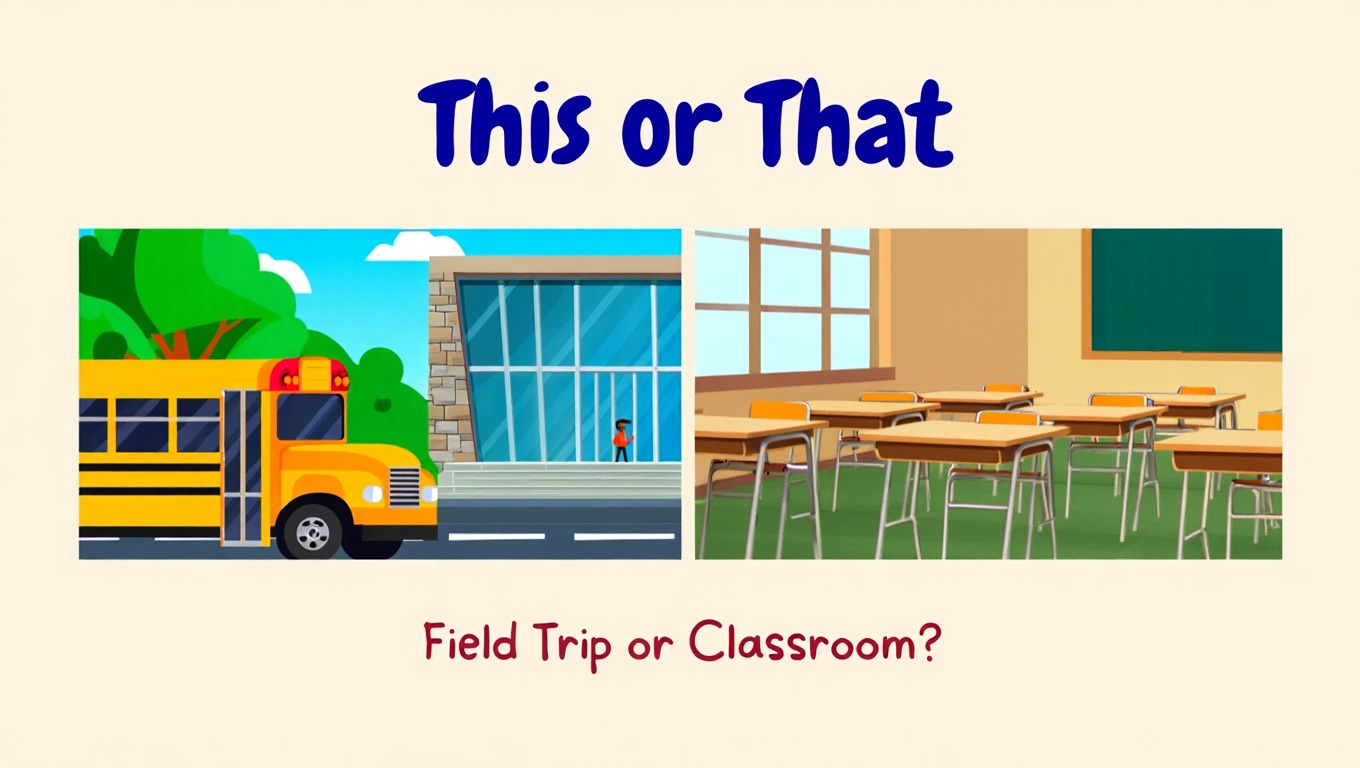
Use this or that questions during transitions, morning meetings, brain breaks, end-of-day reflections, and community-building activities throughout the school day. These questions work best when you want quick engagement without lengthy preparation.
We’ve found several ideal timing opportunities:
Morning circle time – Start the day with 2-3 questions to energize students and create connections. This sets a positive tone and helps late arrivers settle in without missing important instruction.
Before lunch or recess – Use questions as a transition activity while students line up. This keeps them engaged and prevents behavior issues during waiting time.
After recess – Help students refocus with a few calming questions. This brings their attention back to learning after high-energy play.
End of day – Close with reflection questions that let students share experiences. This creates a sense of completion and community before dismissal.
What Strategies Make Them More Effective?
Make this or that questions more effective by creating a judgment-free environment, modeling thoughtful responses, allowing think time, encouraging explanations, and connecting answers to curriculum topics.
Here’s what works in our classrooms:
Model your own answers first – Share your preference and reasoning. This shows students that there are no wrong answers and demonstrates how to explain choices.
Use visual supports – Write options on the board or show pictures for visual learners. This helps English language learners and students with processing difficulties.
Incorporate movement – Have students move to different sides of the room based on their choice. Physical movement increases engagement and makes preferences visible to everyone.
Record responses – Create graphs or charts showing class preferences. This integrates math skills and shows students that their opinions create meaningful data.
How Can You Adapt Questions for Different Ages?
Adapt this or that questions for different elementary ages by adjusting vocabulary complexity, explanation requirements, and abstract thinking levels based on developmental stages.
Kindergarten through first grade – Use concrete, familiar concepts like foods, animals, and colors. Accept simple one-word answers without requiring explanations. Keep sessions short at 5-10 minutes.
Second through third grade – Introduce slightly abstract concepts like seasons, activities, and superpowers. Encourage brief explanations with “because” statements. Extend sessions to 10-15 minutes.
Fourth through fifth grade – Use complex hypothetical scenarios. Expect detailed reasoning with multiple supporting points. Allow 15-20 minute discussions and incorporate debate-style formats.
Benefits of This or That Questions in Elementary Education
How Do These Questions Support Academic Learning?
This or that questions support academic learning by developing critical thinking skills, building vocabulary, strengthening reasoning abilities, and creating cross-curricular connections in low-pressure formats.
Language arts development – Students practice speaking in complete sentences, using comparative language, and organizing thoughts logically. These skills transfer directly to writing instruction.
Mathematical thinking – When you graph class responses, students see data collection and representation in action. They practice counting, creating categories, and interpreting visual information.
Scientific reasoning – Questions about animals, weather, or hypothetical scenarios encourage hypothesis formation and evidence-based thinking. Students learn to support preferences with observable facts.
The power lies in the informal learning environment. Students don’t realize they’re practicing academic skills because they’re simply sharing opinions and having fun.
What Social-Emotional Skills Do They Develop?
These questions develop social-emotional skills including self-awareness, self-expression, perspective-taking, respectful disagreement, and emotional vocabulary through safe, structured sharing opportunities.
Self-awareness – Students learn to identify and articulate personal preferences. This self-knowledge forms the foundation for more complex self-reflection skills.
Empathy development – Hearing classmates’ different choices helps children understand that people think differently. This perspective-taking is essential for emotional intelligence.
Confidence building – Success in low-stakes sharing builds confidence for higher-pressure academic situations. Students who feel heard become more willing to participate.
These social-emotional competencies affect academic success as much as content knowledge. Students who feel safe and connected learn more effectively.
Creative Ways to Extend This or That Activities
How Can You Turn Questions into Games?
Turn this or that questions into games by adding movement activities, point systems, team competitions, prediction challenges, and physical response elements that increase engagement and energy levels.
Four Corners – Assign each corner of the room to different options. Students move to their chosen corner and discuss with others who made the same choice. This creates instant small groups for deeper conversations.
Speed Round – Ask rapid-fire questions where students respond with quick hand signals. This energizes the room and works great before transitions.
Prediction Game – Before revealing the class results, students guess how many classmates will choose each option. This adds a math element and builds estimation skills.
If you’re looking for more interactive activities that encourage honest sharing, our collection of truth or dare questions offers additional ways to build trust and openness in your classroom community.
What Writing Activities Can You Create?
Create writing activities from this or that questions by using them as journal prompts, persuasive writing topics, compare-and-contrast essays, and creative story starters that build literacy skills.
Journal writing – Students write about their choice and provide three reasons supporting their preference. This builds paragraph structure and reasoning skills.
Persuasive letters – Students write letters trying to convince a friend or family member why their choice is better. This introduces persuasive writing techniques in a low-pressure context.
Story starters – Use imagination questions as creative writing prompts. “If you could fly or be invisible” becomes the opening for an adventure story.
Frequently Asked Questions
Are this or that questions suitable for all elementary grade levels?
Yes, this or that questions work for all elementary grade levels from kindergarten through fifth grade when you adjust the complexity and vocabulary to match developmental stages. Younger students need concrete choices with visual supports, while older students can handle abstract concepts and provide detailed reasoning.
How many questions should you ask in one session?
The ideal number is 5-10 questions per session for elementary students, depending on their age and attention span. Kindergartners do best with 3-5 quick questions, while upper elementary students can engage with 10-15 questions if you include discussion time.
Can shy students participate comfortably?
Yes, shy students often participate more comfortably with this or that questions because the binary format feels less intimidating than open-ended questions. You can further support shy students by allowing written responses, using hand signals, or letting them share with a partner first.
Do these questions work for English language learners?
Yes, this or that questions work exceptionally well for English language learners because they require minimal language production initially. Students can point, use single words, or copy sentence frames while building confidence and vocabulary in a supportive environment.
How often should you use this or that questions?
Use this or that questions 2-3 times per week for maximum effectiveness without losing their appeal. Overusing them daily can make the activity feel routine and reduce engagement, while using them too rarely misses valuable community-building opportunities.
Can you use these questions for assessment purposes?
Yes, teachers can use this or that questions for informal assessment of student interests, communication skills, reasoning abilities, and social-emotional development. However, they should not be used for formal academic grading since they focus on personal preferences rather than right or wrong answers.
What if students choose based on what their friends choose?
When students follow their friends’ choices instead of their own preferences, privately encourage independent thinking by asking them to write their answer before discussion or by reminding them that different choices make conversations more interesting. This behavior typically decreases as students become more comfortable with self-expression.
How do you handle students who refuse to choose?
For students who can’t or won’t choose between options, offer a third choice of “both” or “neither” occasionally, provide more think time, allow them to pass without pressure, or have them share their answer privately with you later. Forced participation defeats the purpose of building confidence.
Conclusion
This or that questions offer elementary teachers and parents a simple yet powerful tool for building communication skills, fostering classroom community, and encouraging self-expression. These 150+ questions provide endless opportunities for meaningful conversations that help children develop critical thinking, decision-making abilities, and social-emotional competencies.
We’ve seen how these simple choice-based questions transform classroom dynamics. Students who rarely speak up find their voices. Children who struggle with open-ended questions discover they have valuable opinions to share. Classmates who never interacted before find common interests that spark friendships.
The beauty of this approach lies in its accessibility. You don’t need special materials, extensive training, or complicated lesson plans. You just need two choices and a willingness to listen to your students’ preferences with genuine interest and respect.
Start with a few questions from the categories that match your students’ interests. Watch how they respond. Notice which questions generate the most enthusiasm. Pay attention to the connections forming between students who discover shared preferences.
Remember that the goal isn’t just to get through a list of questions. It’s to create a safe space where every child feels heard, valued, and confident in expressing their unique perspective. These small moments of connection build the foundation for a positive learning environment where all students can thrive.
Whether you’re a classroom teacher looking for morning meeting activities, a parent seeking dinner conversation starters, or a counselor building rapport with students, these this or that questions offer a flexible framework for meaningful interactions. Use them consistently, adapt them to your specific context, and watch as your students grow more comfortable sharing their thoughts and respecting others’ differences.
The conversations you start today with simple choices like “pizza or tacos” plant seeds for the complex discussions your students will navigate throughout their lives. You’re not just asking questions—you’re teaching children that their voices matter, their choices are valid, and their perspectives deserve to be heard.
You May Also Like
 Fun Questions
1500+ This or That Questions for 2026: From Silly Choices to Deep Conversations
 Fun Questions
What Does WSG Mean in Text? How to Respond to WSG in Messages and Social Media
 Fun Questions
350+ Truth or Dare Questions: Play Classic Party Games With Your Friends
 Fun Questions
250+ This or That Questions for Back to School: The Ultimate Icebreaker Guide for Teachers and Students
 Fun Questions
157+ This or That Questions for Cousins: Fun Conversations
 Fun Questions
155+ This or That Questions for Black People: A Complete Cultural Connection Guide
 Fun Questions
What Does GNG Mean in Text? Meaning Slang, Examples, and Real Usage
 Fun Questions
What Does SYBAU Mean? SYBAU Slang Meaning, Origin & Examples
 Fun Questions