120+ Indirect Quotes for Fake Friends: Simple Ways to Spot and Handle Toxic People
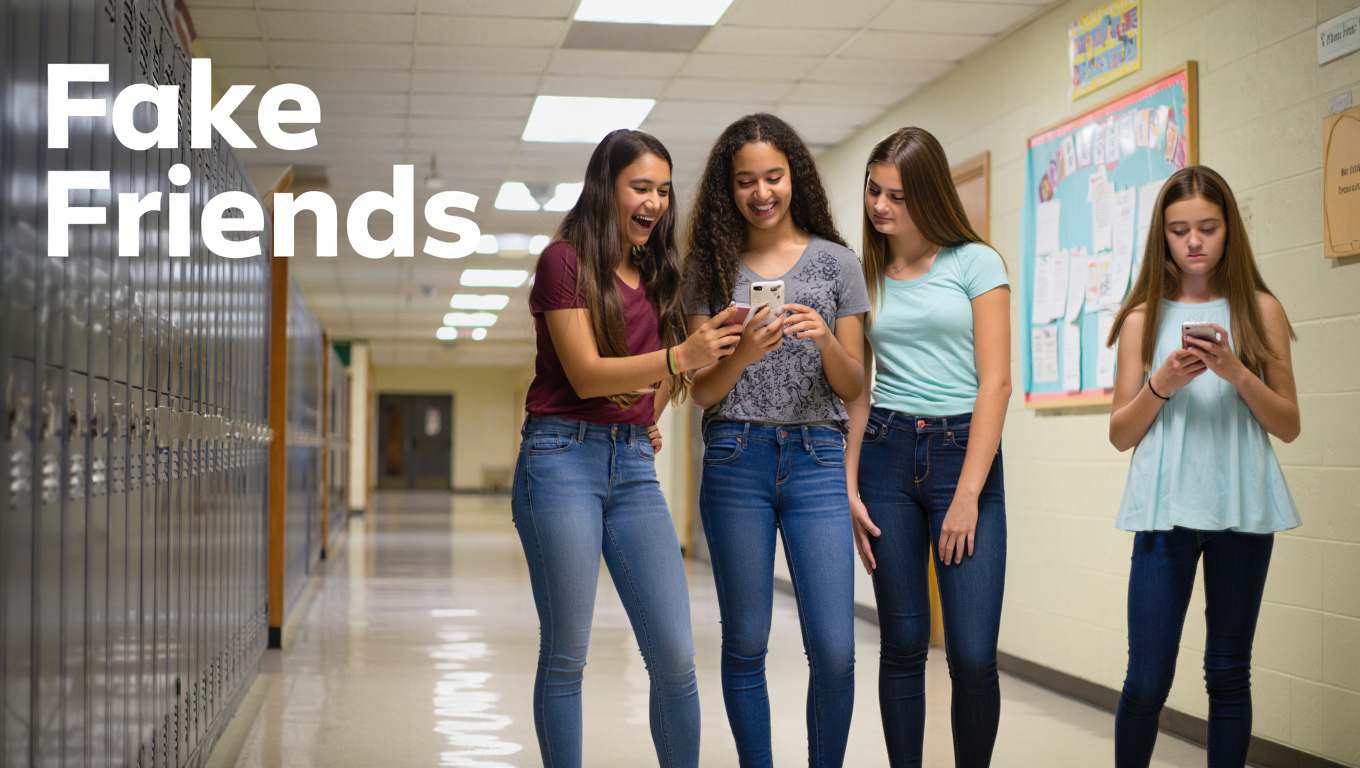
Have you ever had a friend who seemed great at first but later showed their true colors? We all have. Fake friends are people who act like they care about you but really don’t. They might use you, talk behind your back, or disappear when you need them most.
Indirect quotes revealing fake friends help you understand these toxic relationships without having to argue with them directly. Sometimes it’s better to express your feelings through words that don’t point fingers but still say what you mean. This way, you can heal and move on without creating more drama.
Learning to spot fake friends early can save you a lot of heartache. The indirect quotes for fake friends in this article will help you see the warning signs and feel less alone if you’ve been hurt by someone you trusted. These powerful quotes serve as mirrors, reflecting the true nature of superficial relationships and helping you understand complex friendship dynamics.
What Makes Someone a Fake Friend?
Fake friends show certain patterns that real friends don’t. They might be super nice when they want something, but cold when you need help. Real friends stick around through good times and bad times. Fake friends only show up for the good stuff.
Understanding fake friendship behaviors becomes easier when you recognize these common traits. Fake friends often display inconsistent behavior, conditional support, and self-serving motives. They may gossip about others, compete with your success, or manipulate situations to their advantage.
Here are the main types of fake friends:
- Fair-weather friends who disappear during tough times
- Jealous friends who can’t celebrate your wins
- Selfish friends who only talk about themselves
- Manipulative friends who try to control you
- Friends who abandon you when life gets hard
- Two-faced friends who say different things to different people
- Users who only contact you when they need something
Understanding these types helps you protect yourself and find better friendships. Indirect quotes for fake friends capture these behaviors perfectly, giving you language to describe experiences that might be hard to put into words.
The Power of Indirect Communication
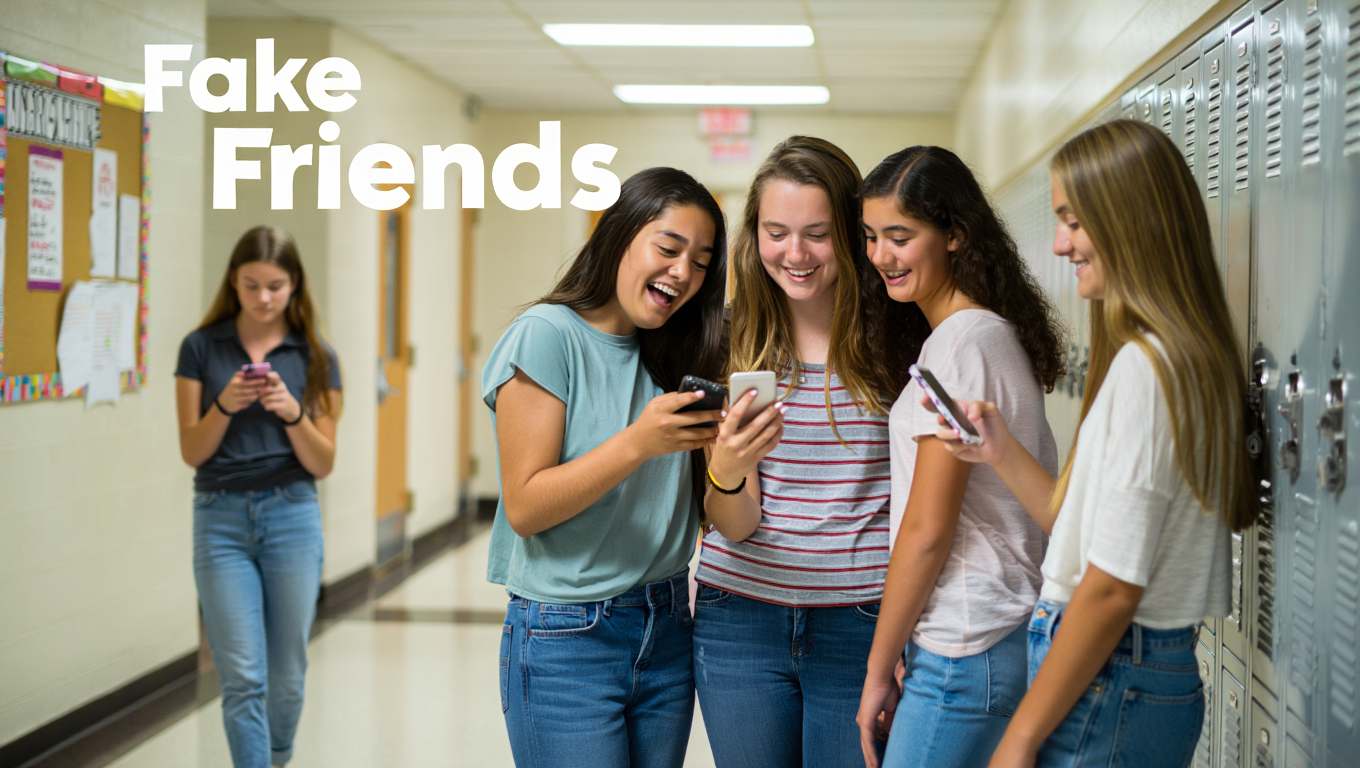
Indirect quotes revealing fake friends serve multiple purposes in your healing journey. They provide validation for your experiences, help you process complex emotions, and offer a way to express frustration without direct confrontation. These quotes act as emotional release valves, allowing you to acknowledge toxic behaviors without escalating conflicts.
Many people find comfort in knowing they’re not alone in their experiences with fake friends. Sharing indirect quotes for fake friends on social media or in personal conversations helps build connections with others who understand similar struggles. This shared understanding creates a sense of community and mutual support.
The psychology behind indirect communication shows that it’s often more effective than direct confrontation when dealing with toxic people. Fake friends typically respond to direct confrontation with denial, manipulation, or increased toxic behavior. Indirect quotes allow you to maintain your dignity while processing your emotions.
120 Indirect Quotes About Fake Friends
When Friends Betray Your Trust (Quotes 1-20)
Nothing hurts more than finding out someone you trusted was talking behind your back or sharing your secrets. Trust takes time to build but only seconds to destroy. When fake friends betray you, it feels like getting stabbed in the back by someone you thought was on your side.
Betrayal from fake friends is particularly painful because it shatters your perception of the relationship. You realize that while you were being genuine, they were being deceptive. The worst part about betrayal is that it makes you question everyone else. You start wondering who else might be fake in your life.
These indirect quotes for fake friends capture that awful feeling when you realize someone wasn’t who you thought they were. They help you understand that betrayal says more about the betrayer than it does about you.
- “Betrayal never comes from enemies; it comes from those closest to your heart.”
- “Some people wear masks so well, you forget they’re hiding something.”
- “Trust is like a mirror – once broken, you can see the cracks forever.”
- “The snake was always a snake; you just chose to see it as a rope.”
- “Some people collect secrets like trophies, waiting for the right moment to display them.”
- “A two-faced person has twice the chance to lie to you.”
- “Whispers behind your back are louder than cheers to your face.”
- “Some people’s loyalty has an expiration date.”
- “Trust given to the wrong person becomes a weapon in their hands.”
- “The person who gossips to you will gossip about you.”
- “Some smiles hide the sharpest knives.”
- “Backstabbers always aim for the heart because that’s where trust lives.”
- “Fake loyalty is worse than honest hostility.”
- “Some people’s word is as reliable as a chocolate teapot.”
- “Trust earned over years can be destroyed in seconds.”
- “The mask slips when they think nobody’s watching.”
- “Some people’s friendship comes with invisible strings attached.”
- “Betrayal is the ultimate theft – it steals your ability to trust.”
- “Some people practice deception like it’s an art form.”
- “The loudest supporters sometimes whisper the cruelest words.”
Friends Who Only Help When It’s Easy (Quotes 21-40)

Some friends are like fair-weather umbrellas – they’re only there when you don’t really need them. These people love being your friend when everything’s going great, but they vanish the moment you face real problems. They want all the fun parts of friendship without any of the hard work.
Conditional friendship is one of the most common forms of fake friendship. These individuals support you only when it’s convenient, easy, or beneficial to them. When you need genuine help, emotional support, or someone to listen during tough times, they suddenly become unavailable.
This kind of fake friendship is extra painful because you think you have support until you actually need it. It’s like thinking you have a safety net, only to find out it has huge holes when you fall. These indirect quotes revealing fake friends help you recognize conditional support patterns and understand that true friendship doesn’t come with terms and conditions.
- “Some people’s friendship has terms and conditions.”
- “Fair-weather friends are like fair-weather umbrellas – useless when you need them most.”
- “Some people only call when they need something, never when they have something to give.”
- “Conditional love is like a mirage – it disappears when you get close.”
- “Some friendships have a price tag attached.”
- “Convenience friends disappear when being your friend becomes inconvenient.”
- “Some people’s support comes with interest rates.”
- “Temporary people teach permanent lessons.”
- “Some friends are like elevators – they only go up when it benefits them.”
- “Seasonal friends change with your circumstances.”
- “Some people’s friendship is a subscription service – it expires when you stop paying.”
- “Fair weather never lasts, and neither do fair-weather friends.”
- “Some support crumbles under the weight of real problems.”
- “Conditional friends have terms that are never disclosed upfront.”
- “Some people’s friendship is solar-powered – it only works in the light.”
- “User-friendly people are only friendly when they’re using you.”
- “Some bridges are only strong enough for one-way traffic.”
- “Temporary people often overstay their welcome.”
- “Some friendships are like rental agreements – they end when the lease is up.”
- “Convenient friends are inconveniently absent when needed.”
Friends Who Can’t Handle Your Success (Quotes 41-60)
Jealous friends are some of the worst fake friends because they actually want you to fail. Instead of being happy when good things happen to you, they get upset or try to bring you down. They might say things like “you’re so lucky” or find ways to make your achievements seem smaller.
Jealousy in friendships reveals deep insecurity and character flaws. These friends see your success as a personal attack on their own self-worth. They can’t separate your achievements from their own failures, leading to resentment and competitive behavior that poisons the relationship.
Real friends celebrate your wins like they’re their own. Fake friends see your success as a threat to their ego. They can’t clap for you because they’re too busy pointing fingers at what’s wrong with your life. Understanding these dynamics through indirect quotes for fake friends helps you recognize when someone’s jealousy is masquerading as friendship.
- “Some people can’t clap for others because their hands are too busy pointing fingers.”
- “Jealousy is the art of counting someone else’s blessings instead of your own.”
- “Some people dim their own light trying to blow out yours.”
- “Green-eyed monsters wear familiar faces.”
- “Some people’s biggest competition is their own friend’s success.”
- “Haters will see you walking on water and say it’s because you can’t swim.”
- “Some people collect grudges like souvenirs.”
- “Competition reveals character, and some characters need better writers.”
- “Some people’s happiness depends on others’ misfortune.”
- “Jealous friends celebrate your failures more than your successes.”
- “Some people measure their worth by others’ shortcomings.”
- “Envy is the tribute that mediocrity pays to achievement.”
- “Some people’s support comes with a side of resentment.”
- “Bitter people try to make sweet victories taste sour.”
- “Some friends secretly hope your dreams remain just dreams.”
- “Competition should inspire, not conspire.”
- “Some people’s confidence shrinks when others grow.”
- “Jealous hearts poison their own wells.”
- “Some people wear congratulations like ill-fitting clothes.”
- “Envious friends are like shadows – they follow you but never support you.”
Friends Who Try to Control You (Quotes 61-80)
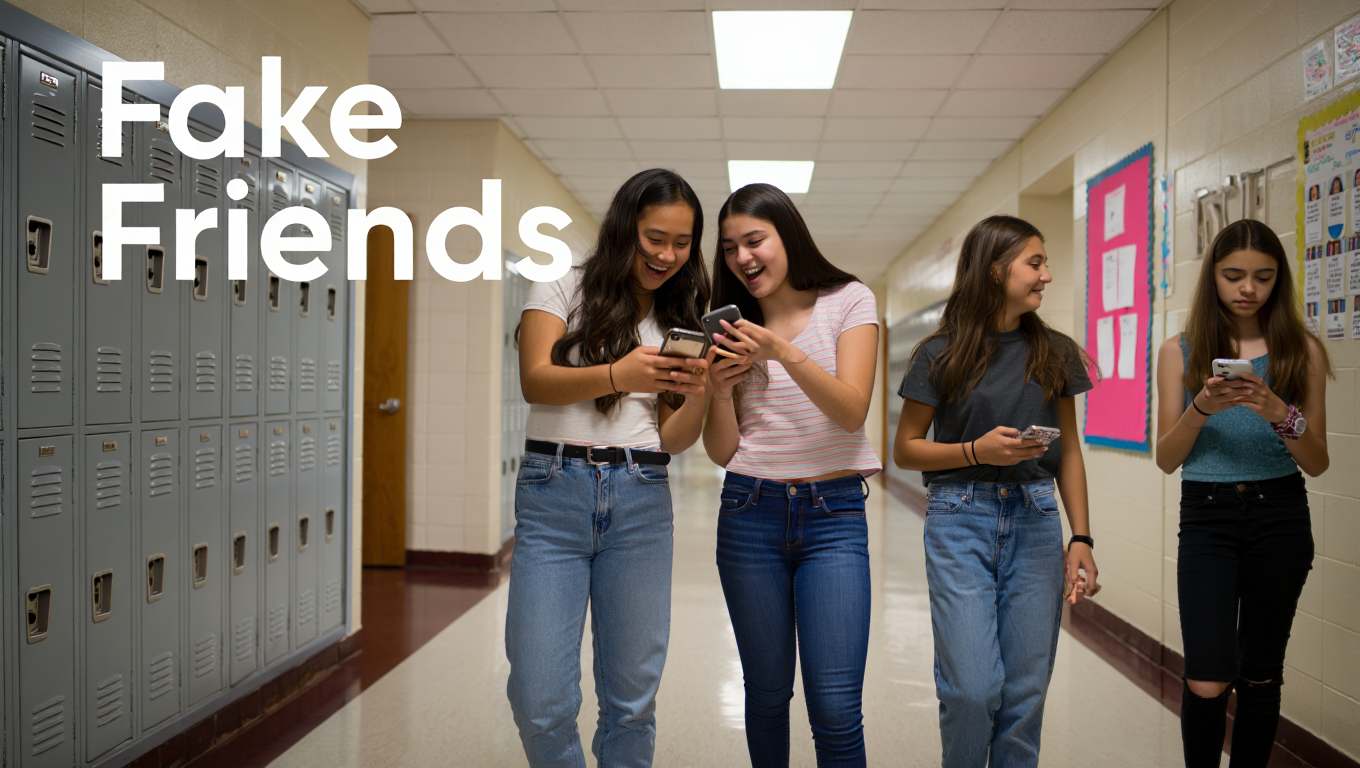
Some fake friends act like puppet masters, trying to control what you do and how you feel. They might make you feel guilty for saying no or twist situations to make you think you’re being mean when you’re just setting boundaries. These friends are dangerous because they mess with your head.
Manipulative friends use emotional tactics to maintain control over the relationship. They might use guilt trips, silent treatments, or play victim when you assert your independence. They’re really good at making you feel bad about yourself when you don’t do what they want.
Recognizing manipulation is crucial for protecting your mental health. These friends might say things like “I thought you cared about me” when you can’t help them, or they might give you the silent treatment until you apologize for something that wasn’t your fault. These indirect quotes revealing fake friends help you identify manipulative behavior patterns.
- “Some people mistake manipulation for motivation.”
- “Puppet masters prefer friends with fewer strings attached to reality.”
- “Some people’s kindness comes with hidden agendas.”
- “Emotional blackmail is still blackmail.”
- “Some friends are investors who expect returns you never agreed to pay.”
- “Guilt trips are expensive, especially when you didn’t buy the ticket.”
- “Some people’s help comes with invisible chains.”
- “Manipulators paint themselves as victims in their own crime stories.”
- “Some friends control the narrative to control the relationship.”
- “Gas-lighters prefer friends who question their own reality.”
- “Some people’s friendship is a chess game where you’re always the pawn.”
- “Emotional vampires drain energy and leave you questioning your sanity.”
- “Some friends make you feel guilty for having boundaries.”
- “Controllers hate when you learn to say no.”
- “Some people’s support system is actually a control system.”
- “Manipulative friends rewrite history to suit their narrative.”
- “Some people’s love comes with terms and conditions in small print.”
- “Puppet strings are invisible until you try to move independently.”
- “Some friends prefer you dependent rather than independent.”
- “Emotional manipulation is psychological theft.”
Friends Who Make Everything About Them (Quotes 81-100)
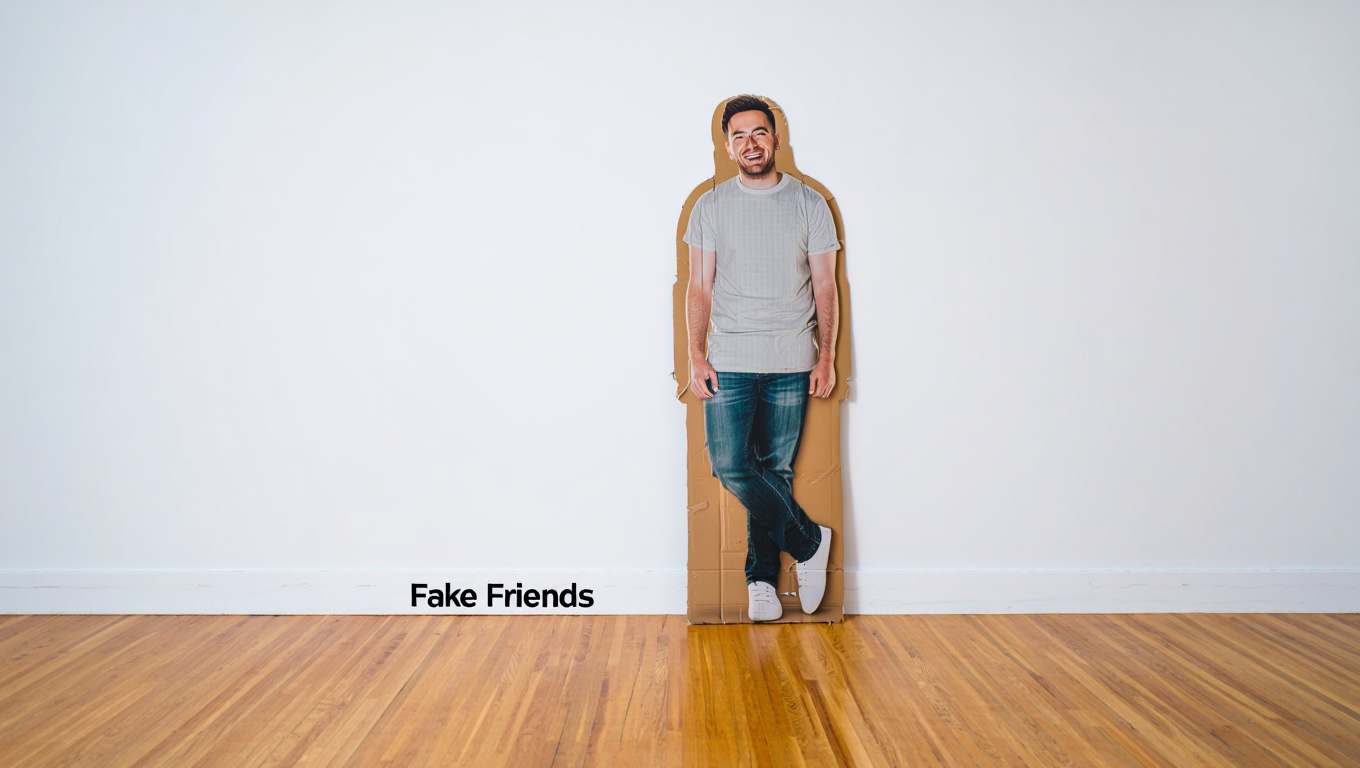
Self-centered friends turn every conversation into their personal show. No matter what you’re going through, they always have a bigger problem or a better story. They listen to you just long enough to find a way to talk about themselves again.
Narcissistic friends lack genuine empathy and see others as supporting characters in their life story. They need constant attention and validation, turning every interaction into an opportunity to talk about themselves. These friends are exhausting because you never get to share your own feelings or experiences.
The friendship becomes all about them, and you end up feeling like you don’t matter. They treat you like an audience instead of a friend. Self-absorbed friends might ask about your life, but only as a courtesy before launching into their own stories.
- “Some people turn every conversation into their autobiography.”
- “Narcissists use others as mirrors to reflect their own image.”
- “Some friends are like black holes – they absorb everything and give nothing back.”
- “Self-centered people see others as supporting actors in their life story.”
- “Some people’s friendship is a one-way street with no return traffic.”
- “Ego-driven friends compete with your problems to make theirs seem worse.”
- “Some people collect friends like trophies to display their popularity.”
- “Attention seekers prefer audiences to genuine connections.”
- “Some friends are like broken records – they only play their own song.”
- “Self-absorbed people drown in shallow relationships.”
- “Some people’s empathy has a limited battery life.”
- “Narcissistic friends see your achievements as threats to their spotlight.”
- “Some people’s world is so small, there’s only room for them.”
- “Self-centered friends are generous with advice but stingy with listening.”
- “Some people wear their insecurities like crowns.”
- “Ego-inflated friends need constant validation to stay afloat.”
- “Some people’s friendship is performance art.”
- “Self-important people mistake presence for significance.”
- “Some friends are like mirrors – they only reflect themselves.”
- “Narcissistic friends love you for how you make them feel about themselves.”
Friends Who Disappear When You Need Them (Quotes 101-120)

The most painful fake friends are the ones who abandon you when life gets tough. These people were happy to hang out when you were having fun and everything was going well, but they disappear when you’re going through depression, family problems, or any kind of crisis.
Abandonment by friends during difficult times reveals their true character. Fair-weather friends can’t handle the messier aspects of genuine human connection. They prefer relationships that are easy and entertaining rather than meaningful and supportive.
Being abandoned by friends when you’re already struggling feels like getting hit twice. Not only are you dealing with your original problem, but now you’re also dealing with the loneliness of realizing your friends weren’t real friends after all. These powerful, indirect quotes for fake friends validate the pain of abandonment and help you understand that their absence says more about them than about you.
- “Some people are like ghosts – they disappear when you need them most.”
- “Absent friends leave present wounds.”
- “Some people’s availability has limited hours of operation.”
- “Fair-weather friends are like summer snow – they don’t last when conditions change.”
- “Some friends are like wi-fi – they disconnect when you need them most.”
- “Temporary people teach permanent lessons about loyalty.”
- “Some friends are like shooting stars – bright for a moment, then gone.”
- “Seasonal friends migrate when your life gets stormy.”
- “Some people’s friendship is like a diet – they quit when it gets challenging.”
- “Phantom friends are felt in their absence more than their presence.”
- “Some people’s loyalty expires faster than milk.”
- “Desert friends leave you thirsty for genuine connection.”
- “Some friends are like shadows – they disappear when the light dims.”
- “Absent friends create present lessons about presence.”
- “Some people’s friendship is like morning dew – it evaporates under pressure.”
- “Vanishing friends leave behind invisible scars.”
- “Some people’s commitment is written in disappearing ink.”
- “Ghost friends haunt your trust long after they’ve gone.”
- “Some friends are like borrowed books – they never return when you need them.”
- “Temporary friends often leave permanent impacts.”
How to Use These Quotes Effectively
Indirect quotes revealing fake friends work great for social media posts when you want to express your feelings without starting a direct confrontation. You can also use them for journaling or just thinking about your relationships. Sometimes writing down how you feel helps you process the hurt and move forward.
Using these quotes for personal healing is more effective than using them as weapons against others. They help you understand what happened and validate your feelings, which is important for your emotional recovery. The best way to use these quotes is for self-reflection, not for attacking others.
Social media strategies can include posting these quotes when you need to express frustration or when you want to connect with others who have similar experiences. Many people find comfort in the comments and reactions from others who understand their struggles with fake friends.
Understanding the Psychology of Fake Friendships
Fake friends often exhibit predictable patterns that stem from their own insecurities, lack of empathy, or self-serving motives. Understanding these psychological patterns helps you recognize red flags early and protect yourself from future toxic relationships.
Research in social psychology shows that people who engage in fake friendship behaviors often have issues with emotional regulation, empathy deficits, or narcissistic tendencies. They may have learned these behaviors as coping mechanisms for their own insecurities or traumas.
Recognizing these patterns through the lens of indirect quotes revealing fake friends helps you understand that their behavior is about their character, not your worth. This understanding is crucial for healing and moving forward with confidence.

Signs of Real Friends vs Fake Friends
Real friends are consistent in their behavior across different situations. They’re there for the good times and the bad times. They celebrate your successes without jealousy and support you through failures without judgment. Real friends listen to you, respect your boundaries, and care about your feelings genuinely.
Authentic friendships are characterized by mutual respect, honest communication, and emotional support. Real friends make you feel valued, heard, and accepted for who you are. They don’t try to change you or compete with you.
Fake friends only show up when it’s convenient for them. They’re jealous of your success, absent during your struggles, and always make conversation about themselves. They don’t respect your boundaries and often make you feel worse about yourself. These differences become clear when you study the indirect quotes revealing fake friends and compare them to healthy relationship dynamics.
Building Better Relationships After Fake Friends
Recovering from fake friendships takes time and intentional effort. You need to rebuild your trust in others while also learning to trust your own instincts about people. Healing from toxic relationships often involves therapy, self-care, and gradually opening up to new, healthier connections.
Setting boundaries becomes crucial after experiencing fake friendships. You learn to value your time and energy more highly, and you become more selective about who gets access to your inner circle. Quality over quantity becomes your motto for relationships.
Building authentic connections requires vulnerability, but it also requires wisdom. You learn to look for consistency in people’s actions, not just their words. You pay attention to how people treat others, not just how they treat you.
Frequently Asked Questions
Can fake friends become real friends?
No. People who consistently show fake friend behaviors usually don’t change because they don’t see anything wrong with how they act. Real change requires self-awareness and a genuine desire to improve, which most fake friends lack.
Should I tell a fake friend how I feel?
No. Most fake friends will just argue with you, manipulate the situation, or try to make you feel guilty for calling them out. Indirect quotes revealing fake friends are often more effective for processing your emotions.
Is it worth trying to fix a fake friendship?
No. Your time and energy are better spent on people who actually care about you. Trying to fix fake friendships often leads to more frustration and disappointment.
How long should I wait to see if someone is a real friend?
Yes, you should wait about 6 months to a year to see how someone acts in different situations before trusting them completely. Real character shows up during challenges and conflicts.
Can I tell if someone is fake right away?
Yes. If someone gossips about other people to you, seems too interested in your personal business, or only contacts you when they need something, these are early warning signs.
How do I protect myself from fake friends?
Yes, you can protect yourself by paying attention to red flags, trusting your instincts, setting clear boundaries, and observing how people treat others when they think nobody is watching.
The Healing Power of Recognition
Recognizing fake friends through these quotes is the first step toward healing and building better relationships. When you can name the behavior, you can begin to understand that it’s not your fault and that you deserve better treatment.
Validation through shared experiences helps you realize you’re not alone in dealing with fake friends. Many people have similar stories, and sharing these experiences through indirect quotes for fake friends creates a sense of community and understanding.
Moving forward requires forgiveness – not necessarily forgiving the fake friends, but forgiving yourself for trusting them. Self-compassion is crucial during the healing process.
Moving Forward with Wisdom
After dealing with fake friends, it’s normal to feel hurt and confused about trust. The good news is that recognizing fake friends helps you appreciate real ones when you find them. Quality is more important than quantity when it comes to friendship.
Take time to heal from fake friendships before jumping into new ones. Learn to trust your gut feelings about people. If someone makes you feel drained, confused, or bad about yourself, they’re probably not a good friend.
Building a support network of genuine friends takes time, but it’s worth the effort. Surround yourself with people who bring out the best in you, celebrate your successes, and support you through challenges.
Conclusion
Fake friends are unfortunately common, but understanding their patterns through indirect quotes revealing fake friends helps protect you from future hurt. These 120 quotes capture the different ways fake friends can damage your trust and self-esteem. Use them to validate your experiences and remind yourself that you deserve better relationships.
These powerful quotes to reveal your fake friends serve as both mirrors and shields – they reflect toxic behaviors while protecting your emotional well-being. Remember that not everyone deserves access to your life. It’s okay to have high standards for friendship.
The right people will meet those standards naturally because they genuinely care about you. Indirect quotes will continue to serve as reminders of your worth and guides toward healthier relationships. Real friends are out there, and they’re worth waiting for.
Focus on being a good friend to yourself first, and you’ll attract people who appreciate and reciprocate that energy. Your future self will thank you for choosing quality relationships over quantity. Trust your instincts, maintain your standards, and surround yourself with people who bring out the best in you rather than those who drain your light.
You May Also Like
 Personal Growth
How to Overcome Fear of Failure: 7 Practical Steps
 Rejection Quotes
60 Job Rejection Quotes for Disappointment, Perspective, and Your Next Step
 Motivational for Students
50 Believe Nothing Is Impossible Quotes for the Days You Need a New Way Forward
 Personal Motivation Quotes
150+ Fake Friends Quotes: Dealing with Toxic Relationships
 Rejection Quotes
130+ Disappointment Trust Broken Quotes: Healing Words for Broken Hearts
 Rejection Quotes
250+ Deep Breakup Quotes to Help You Heal, Let Go, and Love Again
 Personal Motivation Quotes
137+ Disappointment Life Failure Quotes: Real Words to Help You Through Tough Times
 Personal Motivation Quotes
147+ Disappointment Some Things Never Change Quotes: Finding Wisdom in Life’s Unchanging Patterns
 Positive Affirmations