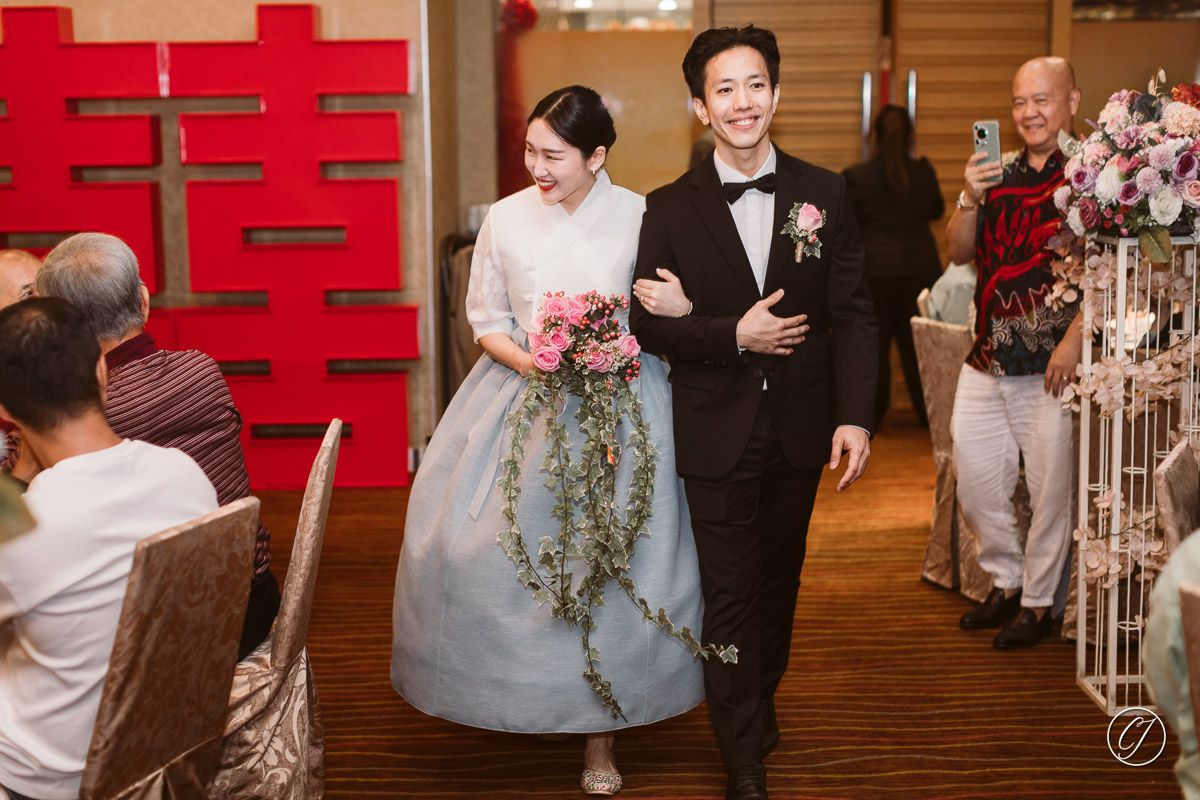
12 Reasons Why Marriage Is So Important
Marriage can mean different things to different people. Some value it as a formal commitment. Others connect it to family, culture, faith, or the practical work of building a life together. There isn’t one reason everyone should marry, and a committed relationship doesn’t have to include marriage.
I’m Nastya Ivanova, and I’ve been married for more than five years. My husband and I have shared happy moments and difficult ones, easy days and stressful ones. Marriage has brought me companionship, shared responsibilities, motherhood, and lessons about communication and compromise. For me, its meaning is less about the wedding day than the everyday life we continue to build.
Why Is Marriage Important?
Marriage can be important because it gives two people a recognized structure for commitment, shared responsibilities, family life, and long-term planning. What that structure means depends on the couple, their values, and their circumstances. Marriage can matter deeply to some people and feel less essential to others.
The first day of my marriage was one of the happiest moments of my life. But I’ve come to understand marriage through ordinary days, too: talking about plans, helping each other, caring for our daughter, and coordinating work and responsibilities at home.
Being married hasn’t made every day easy. It has given my husband and me a shared commitment to build a life together. That commitment is meaningful to me, but it isn’t proof that marriage is the right choice for everyone.
The Importance of Marriage in Everyday Life
The importance of marriage can show up in practical parts of daily life, not just in a couple’s feelings or promises. Spouses may share household tasks, make decisions together, plan finances, care for family members, and support one another through difficult periods.
In our home, work, childcare, and household responsibilities overlap. I work online from home as a writer, and I’m also a homemaker and a mother caring for my daughter. Keeping family life moving takes planning and cooperation. My husband and I don’t have identical roles, but we try to talk about what needs to be done and help each other as circumstances change.
That practical teamwork is one reason marriage matters to me. It gives us a shared life to tend to, even though the details of how we do that are personal to our family.
1. Marriage Can Create a Strong Sense of Commitment
For some couples, marriage is a way to make a private promise in a formal, public way. It can give commitment a clear shape: two people are choosing to build a future together and take responsibility for the life they share.
My husband and I are committed to staying together, though work and other responsibilities sometimes mean we’re apart for a while. For us, commitment doesn’t mean being physically together every minute. It means making an effort to stay connected and treating our shared life as something we both care about.
Other couples may place more weight on legal recognition, family traditions, religious beliefs, or personal values. The meaning of commitment isn’t identical for everyone. What matters is what the people making that commitment want it to mean.
2. Marriage Can Make Life Feel Less Lonely
Before I got married, I was used to doing many things on my own. Independence had become normal for me. After marriage, I began to understand how different everyday life can feel when someone is there to share it with you.
Having a partner doesn’t mean loneliness disappears, and spouses don’t have to spend all their time together. My husband and I have our own work and responsibilities. Sometimes we’re apart because of work, so we keep each other updated about what’s happening in our lives.
For me, companionship is partly about knowing I have someone to talk to and share decisions with. It can be as simple as asking how the other person is doing, discussing plans, or talking about the day. Those small check-ins work for us, though each couple finds its own ways to stay connected.
3. You Don’t Have to Carry Everything Alone
One thing I appreciate about marriage is no longer feeling like I have to carry every responsibility by myself. Having someone who can help with a practical task or listen when I need to talk can make daily life feel more manageable.
That doesn’t mean depending on a spouse for everything. I still have my own thoughts, work, and identity. To me, partnership and independence can exist together. Two people can support each other without either person having to give up who they are.
The help might involve childcare, household tasks, appointments, planning, or making time to listen. The details vary, but sharing some of life’s responsibilities can matter. Would having a partner to share those responsibilities with make a difference in your everyday life?
4. Marriage Can Create a Real Partnership
Marriage can involve more than sharing a home. It can also mean making decisions together, respecting each other’s goals, and working out how to handle shared responsibilities.
My work as a writer happens online from home, alongside my roles as a homemaker and a mother. Those parts of my life overlap, so time and attention need to be managed. My husband and I have to coordinate rather than assume that one person can do everything.
A partnership doesn’t require both people to contribute in exactly the same way every day. One person may have more time for a task at one point, while the other takes on more at another. In our experience, talking about what needs to be done makes it easier to adjust when circumstances change.
5. Marriage Can Become the Foundation of a Family
For me, marriage became connected not only with being a wife but also with becoming a mother and building a family. The birth of my daughter is one of the greatest sources of happiness in my life. Becoming a mother brought a new kind of love and responsibility into my life.
Parenthood isn’t necessary for a meaningful marriage. Some couples don’t want children, don’t have children, or define family in other ways. A marriage can still be full of companionship and shared purpose without parenting.
In our family, caring for our daughter has made teamwork at home especially practical. Family life involves many small responsibilities, and it helps us to talk about what each of us can do. How couples share those responsibilities will depend on their needs and circumstances.
6. Communication Matters More Than Winning
Communication is one of the most valuable parts of my marriage. My husband and I try to talk about important problems instead of pretending they aren’t there. In my experience, leaving a concern unspoken can make it harder to understand what’s wrong or look for a solution.
Being open doesn’t mean every conversation is easy. It means making room to explain what you think and feel, and to hear the other person’s side. We also share everyday updates and plans so we know what is happening in each other’s lives.
When I want to listen more carefully, I try to focus on what my husband is saying instead of planning my response. This guide to how to listen better in a relationship offers another perspective on having more thoughtful conversations.
It can also help to pause and understand what you’re feeling before responding. Here are some ideas on how to understand and manage your emotions during difficult conversations. That doesn’t make disagreements disappear, but it may help you explain your concerns more clearly.
7. Talking About Problems Can Help You Work Through Them
My husband and I have had both happy moments and difficult ones. Disagreements don’t automatically mean a marriage is failing. In our experience, what matters is whether we can discuss what’s bothering us and try to understand each other.
I’ve learned that not every disagreement needs to become a competition. Sometimes I choose to let a small issue go because being right matters less to me than finding peace at home. To me, giving in on something minor doesn’t mean I’ve lost.
There’s an important limit: healthy compromise is different from constantly silencing yourself, accepting disrespect, or giving up your boundaries. Serious problems shouldn’t be brushed aside for the sake of appearances. We try to talk directly with each other, but no couple has to handle every issue alone. Trusted family, a counselor, or another qualified professional may be helpful when a problem is too difficult to manage by yourselves.
I also prefer not to share every private disagreement widely. Keeping some matters private can help avoid gossip or unnecessary outside involvement, but privacy shouldn’t prevent someone from seeking support. For readers reflecting on trust and boundaries, this guide to signs of emotional cheating may be useful background reading. It isn’t a description of something I’m claiming has happened in my marriage.
8. Everyday Acts of Care Matter
Care can show up in practical ways. I often prepare food, clothing, and household needs for my husband and daughter. That is one way I show care in my family, not an expectation I believe should apply to all wives.
Care looks different from one couple to another. It might mean paying bills, helping with childcare, handling appointments, doing repairs, planning a trip, or making time to listen. What matters to me is that both people can recognize each other’s contributions.
I also value saying thank you when someone helps and saying sorry when I’m wrong. Those small words don’t solve every problem, but they let me acknowledge my husband’s effort and take responsibility for my own.
9. Sharing Responsibilities Makes a Difference
Housework and childcare take time and effort. They don’t automatically belong to one spouse. When neither of us is occupied with outside work, my husband and I share household tasks. If one of us is busy or tired, we may need to adjust who does what.
A rigid division may not fit every week, especially when work and family needs change. Talking about what needs to be done can help keep one person from feeling that everything has become their job.
In our marriage, we’ve found it useful to think of the home as a shared responsibility. Other couples may divide tasks in a different way. The goal is to find an arrangement that works for the people involved and allows them to revisit it when circumstances change.
10. Financial Clarity Can Reduce Unnecessary Stress
Money is easier to plan around when both people understand how it is being handled. Couples can talk about shared expenses, savings, financial goals, who pays for what, and how they might manage unexpected costs.
My husband and I believe it’s important to be clear about financial responsibilities. For us, openness matters more than using one particular system. Some couples combine their finances, others keep them separate, and some use a mix. There isn’t one arrangement that suits every household.
Discussing money can help prevent assumptions from building up. It’s useful to understand what each person expects and what plans they share, while still respecting individual needs and independence.
11. Shared Experiences Can Keep a Marriage Fresh
My husband and I sometimes travel together to break from routine, spend time together, and find new ideas. As a writer, I also enjoy the inspiration that can come from seeing somewhere different.
Travel isn’t necessary for a healthy marriage, and spending time together doesn’t have to be expensive. Couples can take a day trip, walk somewhere new, try a different restaurant, visit family, or explore a local attraction.
For us, a change of pace can create time to reconnect and talk about things beyond household plans. Shared experiences can be simple. What matters is finding an opportunity to enjoy each other’s company in a way that fits your lives.
12. Marriage Can Have Emotional, Social, Cultural, and Legal Meaning
Marriage can carry different kinds of meaning. Some couples value it as a public expression of commitment. Others connect it to culture, faith, family traditions, legal recognition, or the practical responsibilities of planning a life together.
Marriage may provide a recognized framework for certain family, financial, or legal arrangements. The details can vary depending on location and personal circumstances, so anyone making a legal or financial decision may need advice specific to their situation.
These meanings don’t make marriage the only way to build a committed life. People may choose marriage for one reason, several reasons, or none at all. Its importance depends on what the people involved value and want it to represent.
What Is the Point of Marriage?
The point of marriage depends on the people who choose it. It can offer a formal commitment, shared responsibilities, legal or social recognition, a structure for family life, or a way to express cultural or religious values. For some couples, it also supports long-term planning and companionship.
For me, the point of marriage is not simply having a husband or wearing a ring. It is having someone to build everyday life with, share responsibilities with, raise a family with, and work through difficult moments with. That is my personal understanding, not a definition that has to fit everyone.
Marriage vs. a Long-Term Unmarried Relationship
Marriage can offer a formal structure that an unmarried relationship may not have, including legal recognition and social recognition in some settings. Some couples also find that structure helpful when making long-term plans involving family, finances, or shared responsibilities. The specific differences depend on location and individual circumstances.
A long-term unmarried relationship can still involve deep love, loyalty, shared responsibilities, children, finances, and a lifelong commitment. Marriage doesn’t automatically make one relationship more loving or devoted than another. People can build meaningful lives together in different ways.
The choice often comes down to personal values, practical needs, and the kind of commitment the people involved want to make. A useful question may be less “Which is better?” and more “What kind of partnership do we want, and what structure fits our lives?”
What Marriage Does Not Automatically Give You
Marriage does not automatically create happiness, trust, respect, good communication, emotional closeness, financial security, compatibility, or a peaceful household. These things depend on how people treat each other and manage the life they share.
Marriage can provide a framework, but the people inside that framework still have to build the relationship.
My husband and I love each other and consider ourselves happy together. But that happiness didn’t come simply from signing a marriage certificate. It comes from the way we treat each other and the life we continue to build: talking, helping, apologizing, making plans, and working through problems.
It can also be useful to recognize the difference between healthy and unhealthy relationship patterns. This guide to red flags and green flags in a relationship may help readers reflect on what care and respect look like in a partnership.
What More Than Five Years of Marriage Have Taught Me
I’ve learned that marriage isn’t a finished achievement. It’s something we keep learning about as our needs and responsibilities change. These are a few lessons that have mattered in my experience:
- Talk about problems. My husband and I try to discuss what’s bothering us instead of hoping it will disappear.
- Stay open with each other. Honesty gives us a better chance to understand what’s wrong and work on it together.
- Share the load. Work, childcare, and housework take effort. It helps when neither person assumes it all belongs to the other.
- Keep in touch during busy days. Sharing updates and asking how the other is doing helps us stay part of each other’s lives.
- Notice the effort. Saying thank you for ordinary things is a small way to show that I see what my husband contributes.
- Apologize when you’re wrong. I don’t need to win every argument. A sincere apology can matter more than defending myself.
- Protect privacy, but don’t avoid help. Not every disagreement needs an audience, but serious problems may call for support from someone trustworthy or qualified.
- Make room for enjoyment. Traveling together or trying something new can give us a break from routine.
- Be clear about money. We try to communicate about financial responsibilities rather than rely on assumptions.
- Choose peace on small issues. Sometimes I give in because continuing an argument won’t help. That doesn’t mean giving up my boundaries or accepting disrespect.
These are personal lessons, not rules for every couple. They’re simply ideas that have helped me understand what I want our marriage to be. For more ideas, see ways to strengthen a relationship.
Frequently Asked Questions About Marriage
Why is marriage important?
Marriage can be important because it gives some couples a formal way to express commitment and organize shared responsibilities, family life, or future plans. Its value is personal, though. A marriage can be meaningful to the people in it, while an unmarried couple can also build a loving, committed life. Its importance depends on what marriage means to the people involved and the kind of life they want to share.
What is the point of marriage?
The point of marriage can be commitment, companionship, family life, legal recognition, cultural meaning, or shared planning. Different couples may value different parts of it. In my experience, marriage also involves the everyday work of building a life with someone: communicating, sharing responsibilities, supporting each other, and learning how to handle difficult moments together.
What is the importance of marriage?
Marriage can give a couple a recognized structure for their commitment and shared life. That structure may matter emotionally, socially, culturally, legally, or practically. But marriage itself doesn’t create a healthy partnership. Trust, care, respect, and communication still depend on how the people in the relationship treat one another and handle their responsibilities.
What are the main benefits of marriage?
Possible benefits include a formal commitment, companionship, shared planning, a framework for family life, and legal or social recognition. Some couples also value feeling like a team when handling daily responsibilities. These benefits aren’t automatic, and they may not matter in the same way to everyone. What a couple gains depends on their circumstances and the meaning they give to marriage.
Does marriage make a relationship stronger?
Marriage can give a relationship a formal structure, but it doesn’t automatically make the bond stronger. Trust, respect, honest communication, and shared effort still need attention. Some couples find that marriage deepens their sense of commitment, while others build a strong partnership without marrying. The quality of a relationship depends more on how people treat each other than on a title alone.
Is marriage necessary for a committed relationship?
No. People can have a committed relationship without being married. Unmarried couples can share a home, family, finances, responsibilities, and long-term goals. Marriage may matter to people who value its formal, cultural, religious, social, or legal meaning. Whether it fits a couple is a personal decision, not a measure of how genuine their commitment is.
What makes a marriage meaningful?
A marriage can feel meaningful when both people shape it in ways that reflect their values and care for each other. For me, that includes companionship, sharing everyday responsibilities, raising my daughter with my husband, and talking through problems. Another couple may find meaning in different parts of life together. The wedding day can mark a commitment, but daily choices give that commitment its character.
Conclusion
After more than five years of marriage, I don’t see it as a promise that life will always be easy. My husband and I have shared happy days, difficult moments, responsibilities, disagreements, and plenty of learning. Becoming a mother has brought me great happiness, and having a partner to share daily life with has changed how I experience home and family.
For me, the importance of marriage comes from the companionship, communication, compromise, and care we continue to build together. That may not be why everyone chooses marriage, and it doesn’t need to be. If you’re thinking about why marriage is important or what the point of marriage is, consider what you value in a partnership and what marriage would mean in your everyday life. The point isn’t only the wedding day. It’s the life two people keep building afterward.
You May Also Like
 Family and Relationships
How to Listen to Your Husband Without Trying to Fix Everything
 Family and Relationships
How We Strengthen Our Relationship in 24 Hours: A Real Couple’s Guide to a Healthy Relationship
 Friendship Quotes
200+ Thinking of You Quotes to Make Someone Feel Remembered
 Toxic Relationships
150+ Disappointment Relationship Priority Quotes: When You’re Not Their First Choice
 Things to Do
250+ Things to Talk About: Never Run Out of Conversation Ideas Again
 Family and Relationships
150+ Celebration of Life Quotes: Words to Celebrate Loved Ones
 Family and Relationships
150+ Questions to Ask in a Relationship: Get To Know Someone Better
 Family and Relationships
180+ Trust and Loyalty Quotes in Friendship & Relationships: Building Bonds That Last Forever
 Family and Relationships