50 Words of Wisdom: Simple Life Lessons That Change Everything
Life throws curveballs at everyone. Some days feel impossible, while others shine bright with possibility. The difference between thriving and just surviving often comes down to the wisdom we carry in our hearts and minds.
Wisdom isn’t about fancy words or complicated theories. It’s about simple truths that help us make better choices, treat people with kindness, and find peace in chaos. Think of wisdom as your inner compass – it points you toward what matters most when everything else feels confusing.
This collection brings together timeless insights that have helped millions of people navigate their toughest challenges and biggest dreams. These aren’t just pretty words to post on social media. They’re practical tools you can use every single day to build a better life, stronger relationships, and unshakeable confidence.
What Makes Words of Wisdom So Powerful?
Words of wisdom are life lessons packed into short, memorable sentences that guide us through difficult decisions and challenging times. These powerful statements cut through confusion and give us clear direction when we need it most.
True wisdom speaks to everyone, regardless of age, background, or circumstances. A farmer in Iowa and a teacher in Tokyo can both find meaning in the same wise saying because wisdom addresses universal human experiences like love, loss, fear, and hope.
Why Our Brains Love Wisdom Quotes
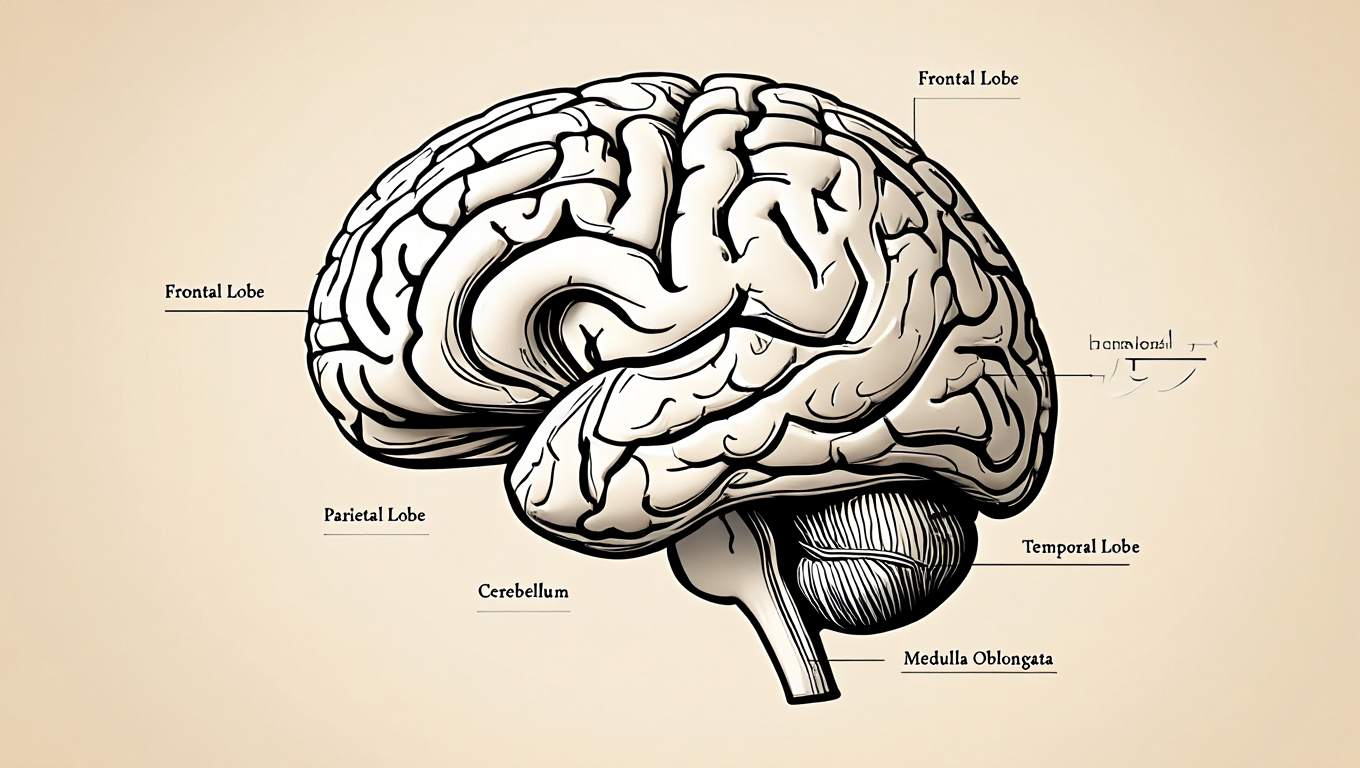
Scientists at UCLA discovered that our brains light up differently when we read meaningful quotes compared to regular text. The emotional centers activate alongside the logical thinking areas, creating stronger memories and deeper understanding.
When you read “The best time to plant a tree was 20 years ago, the second best time is now,” your brain doesn’t just process the words. It connects them to your own experiences of missed opportunities and hopes for the future. This connection makes the wisdom stick.
The Ancient Art of Passing Down Wisdom
Every culture has developed ways to share wisdom across generations. African communities used proverbs during evening gatherings. Native American tribes shared lessons through stories around campfires. Asian cultures created short poems that captured life’s biggest truths.
These traditions understood something important: wisdom works best when it’s simple, memorable, and practical. A complicated explanation might impress people, but a simple truth changes lives.
50 Original Words of Wisdom for Daily Life

Success and Achievement
“Dreams without deadlines remain wishes forever.”
Setting specific timelines transforms vague hopes into concrete goals. When you give your dreams actual dates, you force yourself to create plans and take action. Wishes float around in your mind, but goals demand movement.
“Small daily improvements create massive yearly transformations.”
Consistent tiny changes compound over time like interest in a savings account. Reading 10 pages daily equals 3,650 pages yearly. Exercising 15 minutes daily builds incredible fitness. The magic happens in the repetition, not the intensity.
“Your comfort zone is a beautiful place, but nothing grows there.”
Staying safe feels good, but growth requires discomfort. Learning new skills feels awkward at first. Starting a business scares most people. Having difficult conversations makes everyone nervous. Yet these uncomfortable moments create the most meaningful progress.
“Comparison is the thief of joy and the enemy of progress.”
Measuring your chapter 3 against someone else’s chapter 20 creates unnecessary suffering. Everyone moves at their own pace, faces different challenges, and defines success differently. Focus on your own journey and celebrate your unique progress.
“Perfection is the enemy of progress.”
Waiting for perfect conditions, perfect plans, or perfect timing prevents most people from ever starting. Done is better than perfect. You can improve something that exists, but you cannot improve something that was never created.
“Success is not about being the best, it’s about being better than you were yesterday.”
Personal growth matters more than competition with others. Yesterday’s version of yourself is your only real competition. This mindset removes pressure while encouraging continuous improvement.
“The person who says it cannot be done should not interrupt the person doing it.”
Doubters often project their own fears and limitations onto others. While some caution is wise, don’t let other people’s lack of imagination limit your possibilities. Action speaks louder than opinions.
“Opportunity looks like hard work to most people.”
Many people want the results but avoid the effort required to achieve them. Real opportunities often appear disguised as challenging tasks that require dedication, learning, and persistence.
“You don’t have to be great to get started, but you have to get started to be great.”
Excellence develops through practice, not talent alone. Every expert was once a beginner. Every master was once a disaster. Starting imperfectly beats waiting for perfection indefinitely.
“Your goals should scare you a little and excite you a lot.”
The right goals create a mixture of nervousness and enthusiasm. If your goals feel too easy, they won’t motivate you. If they feel impossible, they’ll discourage you. Find the sweet spot that challenges without overwhelming.
Personal Growth and Self-Improvement
“The strongest people are forged in fires of adversity.”
Difficult experiences build character, resilience, and empathy. People who have overcome challenges often become the most compassionate and wise. Your struggles are not punishments – they’re training for your future strength.
“You cannot change the past, but you can change the story you tell yourself about it.”
Past events remain fixed, but their meaning can shift. You can choose to see failures as learning experiences, setbacks as redirections, and painful experiences as sources of strength and wisdom.
“Growth begins at the end of your comfort zone.”
Real development happens when you push beyond familiar territory. Speaking in public, learning new skills, and taking on challenging projects – these uncomfortable experiences expand your capabilities and confidence.
“The only person you need to be better than is the person you were yesterday.”
Self-improvement is a personal journey, not a competition. Focus on your own progress rather than comparing yourself to others. Small daily improvements create significant long-term changes.
“Your thoughts become your words, your words become your actions, your actions become your habits, your habits become your character, and your character becomes your destiny.”
This progression shows how small mental changes eventually transform your entire life. Changing your thinking patterns is the first step toward changing your outcomes.
“Life is 10% what happens to you and 90% how you respond to it.”
External circumstances have less impact than your internal reactions. Two people can face identical situations and have completely different outcomes based on their responses, attitudes, and choices.
“The best investment you can make is in yourself.”
Education, skills, health, and personal development provide returns that compound over time. Unlike external investments, personal growth cannot be taken away by market crashes or economic downturns.
“Mistakes are proof that you are trying.”
Errors indicate action and effort, not failure. People who never make mistakes usually aren’t attempting anything challenging. Embrace mistakes as evidence of your willingness to grow and learn.
“You are not required to set yourself on fire to keep others warm.”
Helping others is admirable, but not at the expense of your own well-being. Setting healthy boundaries protects your mental health while allowing you to help others more effectively.
“The person you become is determined by the people you spend time with.”
Your social circle significantly influences your thoughts, behaviors, and outcomes. Choose companions who inspire growth, support your goals, and challenge you to become better.
Relationships and Connection
“Listen with the intent to understand, not to reply.”
Most people listen while preparing their next statement rather than truly hearing what others are saying. Real listening creates deeper connections and better understanding between people.
“The quality of your relationships determines the quality of your life.”
Strong relationships provide support, joy, and meaning. Investing time and energy in building genuine connections with others creates a foundation for happiness and resilience.
“Kindness is free, but its value is priceless.”
Simple acts of kindness cost nothing but create an enormous positive impact. A smile, a compliment, or a helping hand can completely change someone’s day or even their life.
“Trust is earned in drops and lost in buckets.”
Building trust requires consistent actions over time, but it can be destroyed by a single poor decision. Protecting trust requires constant attention and integrity in all interactions.
“The best way to find good friends is to be a good friend.”
Friendship is reciprocal. People who consistently show loyalty, support, and care naturally attract others who share these qualities. Be the friend you want to have.
“Forgiveness is not about forgetting, it’s about freeing yourself from the burden of anger.”
Holding grudges hurts you more than the person who wronged you. Forgiveness releases you from carrying negative emotions that poison your peace and happiness.
“Love is not just a feeling, it’s a choice you make every day.”
Healthy relationships require daily decisions to choose love over selfishness, understanding over judgment, and patience over frustration. Feelings fluctuate, but commitment remains constant.
“The people who matter don’t mind, and the people who mind don’t matter.”
Those who truly care about you will accept your authentic self, including your flaws and imperfections. Don’t sacrifice your authenticity to please people who don’t genuinely value you.
“Communication is not just about talking, it’s about connecting.”
Effective communication involves sharing thoughts and feelings in ways that create understanding and closeness. It’s less about being heard and more about being understood.
“Respect is not demanded, it’s commanded through actions.”
Genuine respect comes from consistent behavior that demonstrates integrity, competence, and consideration for others. You cannot force respect, but you can earn it through your choices.
Resilience and Overcoming Challenges
“Storms don’t last forever, but strong trees do.”
Difficult periods are temporary, but the strength you build during them becomes permanent. Each challenge you overcome increases your ability to handle future difficulties.
“Fall down seven times, get up eight.”
Resilience is not about avoiding failure, it’s about recovering from it. The ability to bounce back from setbacks is more valuable than the ability to avoid them entirely.
“Scars are just proof that you were stronger than whatever tried to hurt you.”
Past wounds that have healed become evidence of your strength and survival. Instead of hiding your scars, recognize them as badges of honor that show your resilience.
“The darkest hour is just before the dawn.”
When things seem worst, breakthrough moments often follow. Many people give up just before success arrives. Persistence during the darkest times often leads to the greatest victories.
“You are braver than you believe, stronger than you seem, and smarter than you think.”
Most people underestimate their capabilities. You have overcome every difficult day in your life so far. That track record proves you have more strength than you realize.
“Difficult roads often lead to beautiful destinations.”
Challenging paths develop character, teach valuable lessons, and create appreciation for eventual success. Easy routes rarely lead to extraordinary outcomes.
“Every setback is a setup for a comeback.”
Failures and disappointments often redirect you toward better opportunities. What seems like an ending might actually be a beginning in disguise.
“Your current situation is not your final destination.”
Present circumstances are temporary. With effort, time, and smart choices, you can improve your situation. Never let current difficulties convince you that better days are impossible.
“Pain is inevitable, but suffering is optional.”
Life will bring challenges, losses, and disappointments to everyone. However, how long you dwell on these experiences and how much you let them define you is within your control.
“The only way out is through.”
Avoiding difficult situations often makes them worse. The path to resolution usually requires facing challenges directly rather than running from them.
Happiness and Inner Peace
“Happiness is not a destination, it’s a way of traveling.”
Joy comes from appreciating the journey rather than waiting for perfect circumstances. Finding happiness in daily experiences creates a more fulfilling life than postponing contentment until goals are achieved.
“Gratitude turns what we have into enough.”
Appreciating present blessings shifts focus from what’s missing to what’s available. This perspective creates contentment and reduces the constant desire for more.
“Peace comes from within, not from external circumstances.”
Inner calm depends on your mental state rather than your situation. People in difficult circumstances can find peace, while those with everything they want might feel miserable.
“The secret to happiness is not getting what you want, but wanting what you have.”
Contentment comes from appreciating your current situation while working toward improvement. This balance prevents the endless cycle of wanting more after achieving each goal.
“Worry is like a rocking chair – it gives you something to do but gets you nowhere.”
Anxiety rarely solves problems or improves situations. Instead of worrying about things you cannot control, focus your energy on actions you can take.
“Comparison is the thief of joy.”
Measuring your life against others’ highlights creates unnecessary dissatisfaction. Everyone faces different challenges and has different advantages. Focus on your own journey and progress.
“The best things in life are not things.”
Relationships, experiences, health, and personal growth provide deeper satisfaction than material possessions. These intangible assets create lasting happiness and meaning.
“Smile, and the world smiles with you.”
Your emotional state influences how others respond to you. Positive energy attracts positive interactions, while negative energy pushes people away.
“Laughter is the best medicine, and it’s free.”
Humor improves mood, reduces stress, and strengthens relationships. Finding reasons to laugh, even during difficult times, provides mental and physical health benefits.
“Today is a gift, that’s why it’s called the present.”
This moment is all you truly have. The past is gone, the future is uncertain, but right now is real and full of possibilities. Practice being present and appreciating now.
How to Use These Words of Wisdom Every Day
We have developed a tool ”free quote generator” you can copy and paste the text above and generate images to share on your social media like status. You can see an example image below!

Morning Wisdom Ritual
Start each day by choosing one quote that speaks to your current situation. Write it down in a journal or save it on your phone. Spend five minutes thinking about how this wisdom applies to your day ahead.
Create a morning routine that includes reading and reflecting on wisdom. This practice sets a positive tone and gives you a mental framework for making good decisions throughout the day.
Decision-Making Tool
When facing difficult choices, ask yourself what your favorite wisdom quotes would suggest. For example, if you’re deciding whether to take a risk, remember “You miss 100% of the shots you don’t take.” If you’re dealing with a relationship issue, consider “Listen with the intent to understand, not to reply.”
Keep a few key quotes easily accessible on your phone for moments when you need guidance. These can serve as quick reminders of important principles during stressful or confusing situations.
Stress Management Strategy
During overwhelming moments, repeat a calming wisdom quote to yourself. Phrases like “This too shall pass” or “You are stronger than you think” can provide perspective and emotional regulation when you feel lost or anxious.
Practice quote-based breathing exercises. Choose a meaningful quote and repeat it slowly while taking deep breaths. This technique combines the calming effects of controlled breathing with the power of wise words.
Relationship Building
Share relevant wisdom quotes with friends and family members who might benefit from them. This practice shows you care about their struggles and provides support during difficult times. Choose quotes that specifically address their current challenges.
Use wisdom quotes as conversation starters during dinner with family or coffee with friends. Discussing the meaning and application of these quotes can deepen relationships and create meaningful connections.
The Science Behind Why Wisdom Works
Brain Research on Inspirational Messages
Neuroscientists at Harvard discovered that reading meaningful quotes activates multiple brain regions simultaneously. The language centers process the words while the emotional centers respond to the meaning. This dual activation creates stronger memories and deeper impact.
When you encounter a quote that resonates with your experience, your brain releases dopamine and other feel-good chemicals. This neurological response explains why certain quotes can instantly improve your mood and motivation.
Memory and Learning Benefits
Wisdom quotes use patterns like rhyme, rhythm, and repetition that help your brain remember important information. This is why you can probably recall song lyrics from years ago but struggle to remember what you had for lunch yesterday.
Research shows that people who regularly read and apply wisdom quotes develop better problem-solving skills and emotional intelligence. The practice of connecting quotes to personal experiences strengthens critical thinking abilities.
Emotional Regulation Impact
Wisdom quotes provide mental tools for managing difficult emotions. When you apply a quote like “This too shall pass” during a challenging time, you activate cognitive processes that reduce anxiety and stress hormones.
Studies published in psychological journals demonstrate that people who regularly engage with wisdom quotes report higher life satisfaction and better stress management. The practice appears to build emotional resilience over time.
Common Mistakes People Make with Wisdom Quotes
Collecting Without Applying
Many people save hundreds of inspirational quotes but never actually use them for guidance. Reading quotes feels good, but transformation requires application. Choose fewer quotes and focus on implementing their lessons in real situations.
The power of wisdom comes from practice, not collection. One quote that you consistently apply to your life will create more positive change than a hundred quotes that you only read occasionally.
Expecting Instant Results
Wisdom quotes are not magic spells that instantly solve problems. They provide guidance and perspective, but you must take action to create change. Think of quotes as tools that help you make better decisions, not solutions that work automatically.
Real change takes time and consistent effort. Use wisdom quotes as daily reminders and motivational tools, but don’t expect them to transform your life overnight.
Choosing Style Over Substance
Some people prefer quotes that sound impressive rather than ones that offer practical guidance. Beautiful language might look good on social media, but simple, actionable wisdom creates actual improvement in your life.
Focus on quotes that address your specific challenges and goals. The most valuable wisdom is often expressed in simple, clear language that anyone can understand and apply.
Ignoring Personal Relevance
Not all wisdom quotes will resonate with every person. Choose quotes that speak to your current situation, values, and goals. A quote about entrepreneurship won’t help someone focused on improving their relationships.
Create a personalized collection of quotes that address your unique circumstances and aspirations. This targeted approach makes wisdom more practical and effective.
Building Your Personal Wisdom Library
Finding Quotes That Speak to You
Pay attention to which quotes create emotional reactions or spark new insights. These strong responses indicate that the wisdom addresses something important in your life. Keep a collection of quotes that have personally impacted you.
Test quotes by applying them to real situations. If a quote provides useful guidance during actual challenges, it deserves a place in your permanent collection. Discard quotes that only sound good but offer no practical value.
Organizing Your Collection
Create categories based on different life areas like relationships, career, health, and personal growth. This organization makes it easier to find relevant wisdom when you need it most. Use digital tools or physical journals to keep your collection accessible.
Develop a system for regularly reviewing your favorite quotes. Some people read a different quote each morning, while others focus on specific themes during particular life seasons.
Sharing Wisdom with Others
Become a source of encouragement by sharing meaningful quotes with people who need them. This practice reinforces your own understanding while providing value to others. Choose quotes that address specific situations your friends or family members are facing.
Consider creating your own wisdom content by writing about how quotes have helped you overcome challenges or achieve goals. Teaching others about wisdom deepens your own understanding and creates positive impact.
Frequently Asked Questions
Q: How many wisdom quotes should I focus on at once?
No, don’t try to memorize dozens of quotes simultaneously. Focus on 3-5 quotes that address your current challenges or goals. Deep understanding of a few quotes is more valuable than surface knowledge of many.
Q: Do wisdom quotes actually change behavior?
Yes, but only when you actively apply them to real situations. Simply reading quotes provides minimal benefit. The power comes from using quotes to guide decisions and shape responses to challenging circumstances.
Q: Are modern quotes as valuable as ancient ones?
Yes, wisdom can come from any time period. Ancient quotes address timeless human experiences, while modern quotes often relate to contemporary challenges. Both have value depending on your specific needs and situation.
Q: Can wisdom quotes help with serious mental health issues?
No, quotes alone cannot treat clinical depression, anxiety disorders, or other serious mental health conditions. While quotes can provide comfort and perspective, professional treatment is necessary for significant mental health challenges.
Q: How do I know if a quote is truly wise or just sounds good?
Test the quote’s practical value by applying it to real situations. True wisdom provides actionable guidance that improves outcomes. If a quote only sounds inspiring but offers no practical help, it’s probably more decorative than wise.
Q: Should I create my own wisdom quotes?
Yes, but base them on genuine experiences and insights. Your personal struggles and victories can produce wisdom that helps others facing similar challenges. Avoid creating quotes based on wishful thinking or untested beliefs.
Q: Can children benefit from wisdom quotes?
Yes, but choose age-appropriate quotes with simple language and clear messages. Children can understand and apply basic wisdom about kindness, effort, and friendship. Avoid complex philosophical concepts that might confuse young minds.
Q: How often should I read wisdom quotes?
Daily reading provides the most benefit, but quality matters more than quantity. Spend time reflecting on one meaningful quote each day rather than quickly scanning through many quotes without thought.
Conclusion
Wisdom quotes are not just pretty words to share on social media. They are practical tools that can guide your decisions, comfort you during difficult times, and inspire you to become the person you want to be. The 50 quotes in this collection represent timeless truths that have helped millions of people navigate life’s challenges and opportunities.
The real power of wisdom lies not in knowing these quotes, but in applying them to your daily life. Start with one quote that speaks to your current situation. Write it down, think about its meaning, and look for ways to put its wisdom into practice. Small daily applications of wisdom create massive long-term transformations.
Remember that wisdom is not about perfection – it’s about progress. Every wise choice you make, every kind word you speak, and every brave step you take builds a better version of yourself. These quotes are your companions on the journey toward a more fulfilling, meaningful, and joyful life.
Your future self will thank you for the wisdom you choose to embrace today. Start now, start small, but most importantly, just start. The journey of a thousand miles begins with a single step, and that step is waiting for you to take it.
You May Also Like
 Personal Growth
10 Good Things Confident Women Do Every Day
 Personal Growth
How to Love Yourself (Even When You Have No Idea Where to Start)
 Personal Growth
How to Overcome Fear of Failure: 7 Practical Steps
 Rejection Quotes
60 Job Rejection Quotes for Disappointment, Perspective, and Your Next Step
 Motivational for Students
50 Believe Nothing Is Impossible Quotes for the Days You Need a New Way Forward
 Personal Motivation Quotes
150+ Fake Friends Quotes: Dealing with Toxic Relationships
 Rejection Quotes
130+ Disappointment Trust Broken Quotes: Healing Words for Broken Hearts
 Personal Motivation Quotes
137+ Disappointment Life Failure Quotes: Real Words to Help You Through Tough Times
 Personal Motivation Quotes