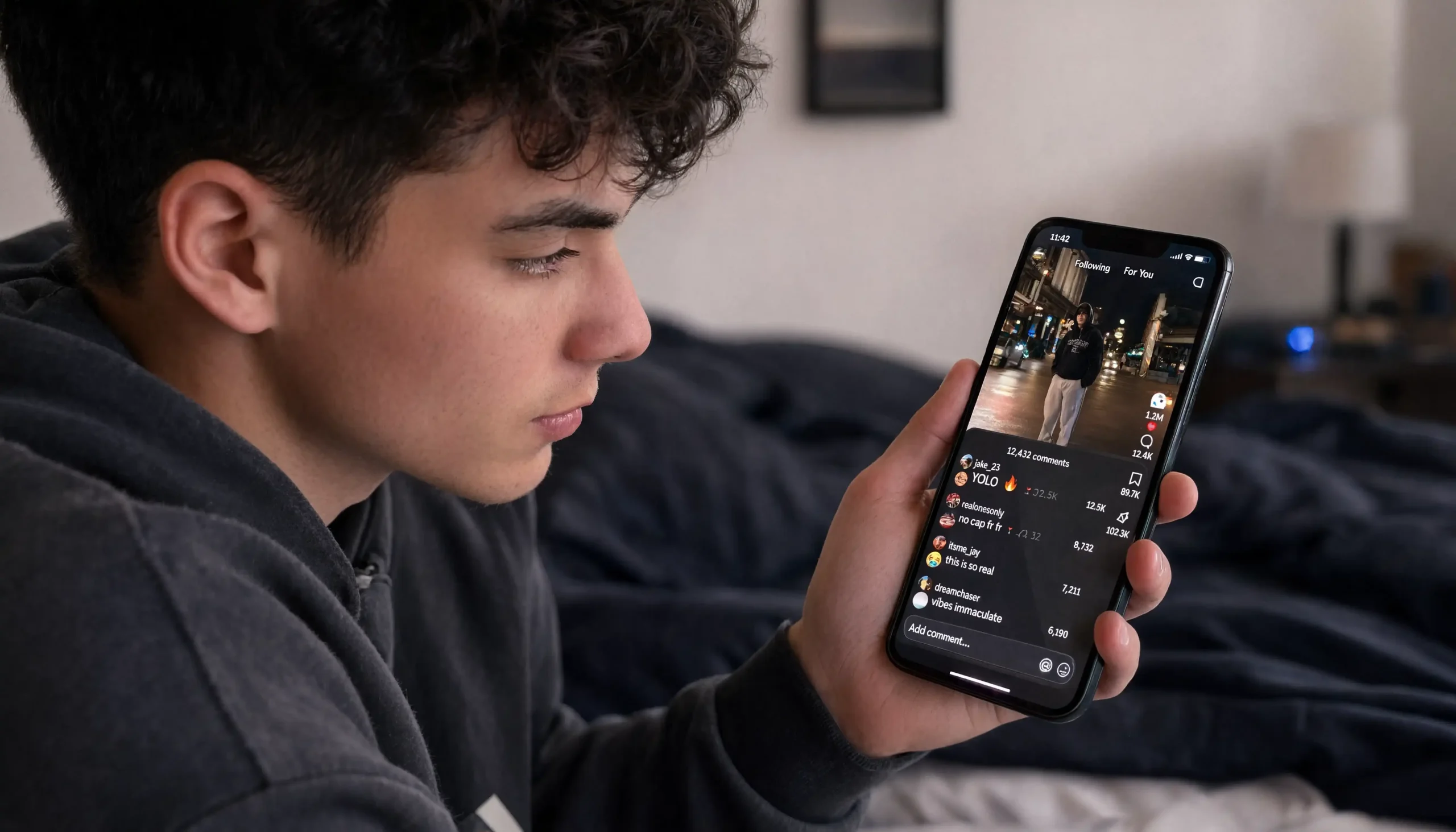
What Does YOLO Mean in Text? Meaning, Origin, and Real Examples
You’ve probably seen it a hundred times. Your friend books a spontaneous trip to Vegas and drops a casual “YOLO” in the group chat. Your cousin posts a picture jumping off a cliff into the ocean with the same four letters as the caption. Your coworker orders the most expensive thing on the menu and shrugs, “hey, YOLO.” And somewhere in the back of your mind, you’re either nodding along or wondering when exactly this word became part of your vocabulary.
If you’ve ever gotten a text with YOLO and paused for half a second to figure out what your friend meant, you’re not alone. It’s one of those acronyms that lived a whole life on the internet. It got famous. It got overused. It got mocked. It went quiet. And now, in 2026, it’s making a nostalgic comeback the way old millennial slang tends to do. People say it now with a wink, half joking, half meaning it.
So let’s actually talk about it. Not the boring dictionary version, but the real story. What YOLO means, where it came from, how people use it today, and whether you should still be typing it in your texts or leaving it in the 2012 time capsule where it was born. Consider this your friendly guide, the one you’d get from a friend who’s been online long enough to remember when this word ruled the world.
Featured Snippet
YOLO stands for “You Only Live Once.” It is a texting acronym and slang phrase people use to encourage spontaneous, bold, or sometimes reckless decisions, based on the idea that life is short and worth living fully. Popularized by Drake in his 2011 song “The Motto,” YOLO became a defining piece of millennial internet slang and is still used today, often with a nostalgic or playful tone.
What Does YOLO Mean?
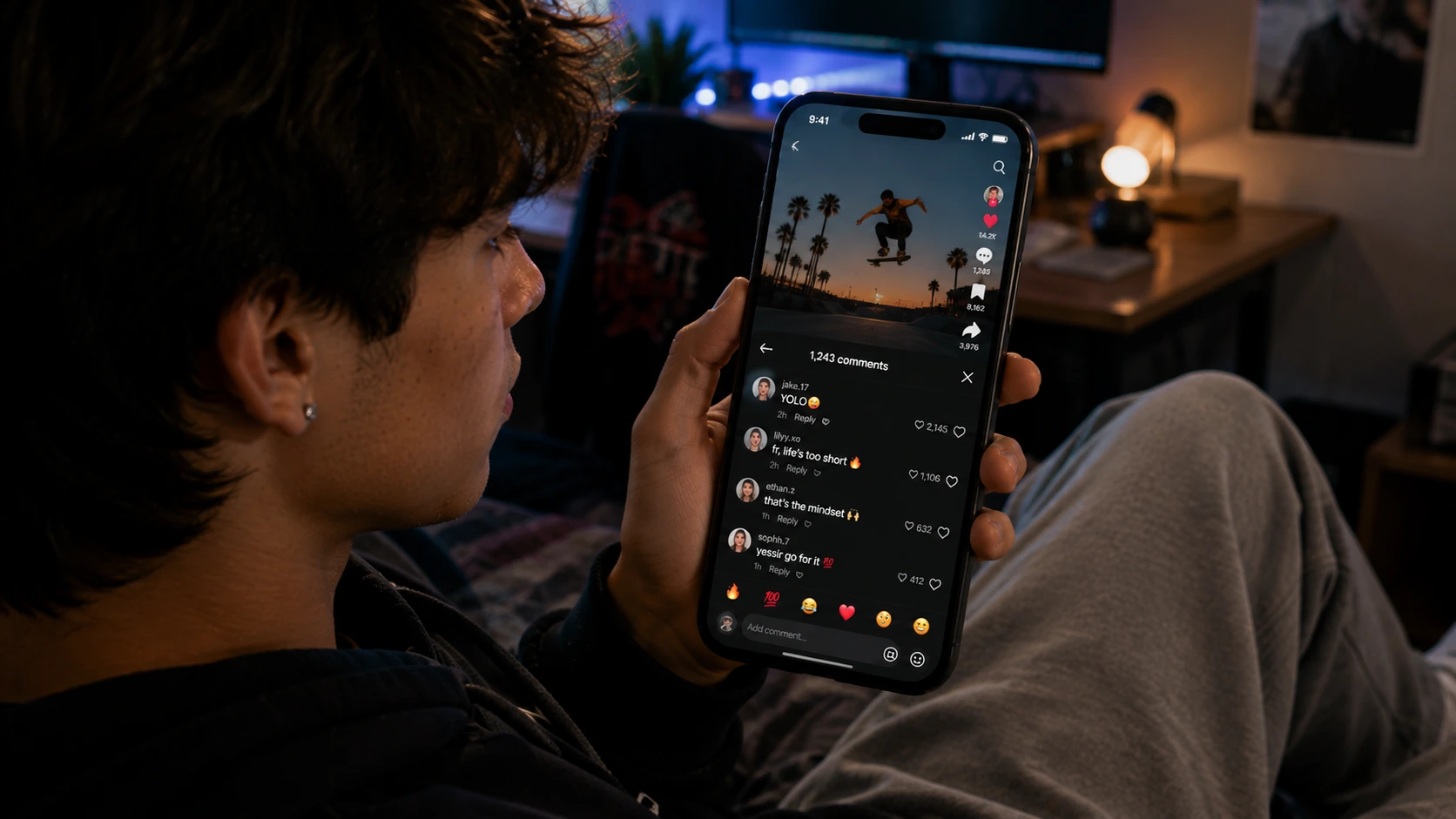
YOLO means “You Only Live Once.” That’s it. Four words, one acronym, and somehow an entire decade of chaos wrapped inside them.
You’ll usually see people use it as a reason to do something bold or a little out of character. Booking a flight they can’t quite afford. Ordering dessert before dinner. Texting the person they probably shouldn’t at 2 a.m. Skipping the gym to eat pancakes with a friend. The idea is simple: life is short, so you might as well live it.
But here’s the thing, it isn’t always about big dramatic moves. Sometimes YOLO shows up in the smallest choices you make. Buying the fancy candle. Saying yes to karaoke when you’d rather hide. Trying the weird item on the menu just because. It’s basically a permission slip you give yourself, wrapped in four letters.
YOLO Full Form and Definition
The full form of YOLO breaks down like this:
- Y – You
- O – Only
- L – Live
- O – Once
Merriam-Webster officially added “YOLO” to its dictionary in 2016, which was the moment it stopped being just internet slang and became part of the actual English language. The definition catches both sides of the phrase. It’s an encouragement to live boldly, and it’s also sometimes an excuse people use to justify choices they didn’t really need to make.
If you’re just starting to explore the world of texting shorthand, you might get a kick out of some of the other acronyms floating around today, like what does NFS mean in text, what does TS mean in text, and what does WTV mean in text. Slang moves fast, and each one carries its own little era with it.
The Origin of YOLO: Drake, The Motto, and 2011
Here’s the fun part. YOLO didn’t come out of nowhere. The phrase “you only live once” has been around forever, echoing the Latin idea of carpe diem, meaning “seize the day.” Writers, poets, and philosophers have played with the concept for centuries. But the acronym itself belongs to a very specific cultural moment.
In late 2011, Drake released “The Motto” featuring Lil Wayne on his album Take Care. The hook had the now-legendary line, “You only live once, that’s the motto, YOLO.” Within weeks, it exploded. It was everywhere. T-shirts, bumper stickers, Twitter bios, Instagram captions, senior yearbook quotes, the works. If you were online in 2012, you couldn’t escape it if you tried.
By 2013, the phrase was so overused that Saturday Night Live and The Lonely Island released a parody song called “YOLO” featuring Adam Levine and Kendrick Lamar. The joke landed because it was true. YOLO had gone from empowering to slightly cringe in under two years. That’s how fast internet culture works.
There was also a business twist in the story. A guy named Adam Mesh had actually trademarked “YOLO” as a clothing brand years before Drake’s song, which sparked some interesting conversations in Forbes and other outlets about who really owned the acronym. Turns out, nobody could really claim it. Once slang goes viral, it belongs to the internet.
How You Actually Use YOLO in Text
Using YOLO in a text is pretty simple, but the tone matters. Most of the time, you’ll see it tossed in at the end of a message to justify a spontaneous decision. It’s less about spelling and more about the vibe you’re bringing.
You might send it after telling a friend about something you did impulsively. You might use it to hype someone else up who’s on the fence about a choice. You might drop it sarcastically when something goes hilariously wrong. It’s flexible that way.
Here’s how it usually shows up in real conversations:
- As encouragement: “Just book the trip already, YOLO.”
- As self-justification: “Bought the concert tickets even though rent is due. YOLO.”
- As humor: “Ate cereal for dinner three nights in a row. YOLO, I guess.”
- As sarcasm: “Yeah, I told my boss exactly what I thought. YOLO, right?”
The key is that YOLO usually softens the choice you’re announcing. It signals that you know it’s a little wild, and you’re leaning into it anyway.
Real Text Examples of YOLO
To really see how it works, here are some examples of YOLO in text conversations:
Example 1 – The Spontaneous Purchase Friend 1: “You actually bought the leather jacket?” Friend 2: “I did. YOLO.”
Example 2 – The Late-Night Adventure Friend 1: “It’s midnight, are you really driving to the beach right now?” Friend 2: “YOLO, come with me.”
Example 3 – The Regret Version Friend 1: “How’s the hangover?” Friend 2: “Brutal. YOLO was a lie.”
Example 4 – The Encouragement Friend 1: “Should I text him first?” Friend 2: “YOLO, just do it.”
Example 5 – The Ironic Millennial Version Friend 1: “You said YOLO unironically in 2026?” Friend 2: “I did. I’m bringing it back. Fight me.”
You can tell from these examples that YOLO isn’t really about what you’re doing. It’s about how you’re framing it. It gives whatever comes before or after it a lighter, more playful energy.
YOLO on Snapchat, Instagram, and TikTok
On different platforms, YOLO shows up in slightly different ways.
On Snapchat, you might see it in a story caption over a picture of someone doing something wild. Cliff jumping, spontaneous road trips, ordering seven appetizers at 3 a.m. It’s the visual version of shrugging and saying, “yeah, I did it.”
On Instagram, YOLO tends to live in captions and comments. You’ll see it under travel photos, fitness milestones, and any post where someone’s doing something outside their usual routine.
On TikTok, things get more interesting. YOLO has been leaning into its own nostalgia. Creators use it now with a self-aware tone, almost as if they’re making fun of how it used to be everywhere. There’s also a trend of pairing it with old 2012 aesthetics, side bangs, Instagram filters that look like Polaroids, and Drake songs playing in the background. Gen Z is basically curating a museum for millennial culture, and YOLO has a permanent exhibit.
If you love decoding how slang moves across platforms, you’ll probably also enjoy what does WTW mean and what does OMS mean in text. Every generation writes its own dictionary.
YOLO vs FOMO vs Carpe Diem
These three phrases get grouped together a lot, but they don’t mean the same thing. Here’s the difference:
| Phrase | Meaning | Vibe |
|---|---|---|
| YOLO | You Only Live Once | Bold, spontaneous, sometimes reckless |
| FOMO | Fear Of Missing Out | Anxious, worried, feeling left out |
| Carpe Diem | Seize the Day (Latin) | Thoughtful, intentional, philosophical |
YOLO is what you say when you’re about to do something. FOMO is what you feel when someone else is doing it and you’re stuck at home. Carpe Diem is what your English teacher wrote on the chalkboard in high school.
They all touch the same idea, which is that life is short, but they come at it from totally different emotional angles. YOLO celebrates the choice. FOMO grieves the missed one. Carpe Diem quietly reminds you to be here now.
Is YOLO Still Cool?
Honest answer? It depends on who you’re talking to.
If you say YOLO to a millennial, they’ll probably laugh, roll their eyes, and admit they still say it sometimes. It’s part of their DNA at this point. It came from the same era that gave them planking, dubstep, and Tumblr.
If you say YOLO to Gen Z, you’ll get one of two reactions. Either genuine nostalgia because they see millennial slang as retro and kind of charming, or a polite eye roll because they’ve moved on to newer phrases like DIFTP (“do it for the plot”) or just letting the vibe speak for itself.
If you say YOLO to Gen Alpha, they might look at you like you just handed them a flip phone. To them, it’s ancient history.
That said, YOLO is having a small comeback, especially in ironic and self-aware ways. It’s becoming vintage in the same way people started wearing low-rise jeans again. What was cringe five years ago is often cool again today. Slang loops back. So does everything else.
What YOLO Means Coming From a Guy or a Girl
You might be wondering if YOLO carries any different meaning depending on who’s sending it. Honestly, not really. It’s one of those acronyms that stays pretty consistent across gender lines.
From a guy, YOLO usually shows up when he’s hyping himself up for a decision, hyping his friends up, or justifying something he already did. It’s playful more than deep.
From a girl, YOLO tends to appear in the same contexts, though sometimes with a slightly more sarcastic or self-aware energy. You’ll often see it paired with an emoji or a laughing face to soften the vibe.
In a dating text, YOLO can mean the person is being playful, flirty, or trying to nudge you into being spontaneous with them. If someone says, “we should get pizza at midnight, YOLO,” they’re not making a philosophical statement. They’re making a low-pressure invitation.
The tone comes from context, not gender. Read the whole message, look at the emojis, and you’ll usually know exactly what they mean.
YOLO in Dating, Gaming, and Group Chats
YOLO shows up in different spaces with slightly different flavors.
In dating apps, you might see YOLO in someone’s bio, which usually signals they’re spontaneous, adventurous, or trying to seem that way. It can be a genuine personality trait or a bit of a red flag depending on the context. When it comes to reading between the lines in early dating, understanding signs you’re not really in love can help you tell the difference between spontaneous chemistry and something that just isn’t landing.
In gaming chat, YOLO takes on a slightly different meaning. It’s often used before making a risky play. Rushing into battle without backup, using a rare item, or attempting something the odds are against. “YOLO push” is basically gamer shorthand for “we’re doing this even though it’s a bad idea.”
In group chats, YOLO is where it lives most naturally. Someone announces a plan, someone else questions it, and YOLO becomes the closing argument. It shuts down doubt with humor, which is honestly what group chats do best.
How to Respond When Someone Says YOLO
Not sure what to text back? Here are some easy responses depending on the vibe:
If they’re being playful:
- “Bet 😂”
- “Absolute legend.”
- “Living your best life.”
If they’re being reckless:
- “Please be careful lol.”
- “YOLO ≠ bad decision, my friend.”
- “You’ll thank me later for talking you out of this.”
If they’re being sarcastic:
- “I mean, you’re not wrong.”
- “Millennial energy, I love it.”
- “YOLO forever.”
If you want to hype them up:
- “Go for it, YOLO indeed.”
- “This is your sign, do the thing.”
- “Life is short, I support this fully.”
The response depends on whether you’re the friend cheering them on or the friend gently pulling them back. Both roles matter.
YOLO Explained for Parents
If your kid just texted YOLO and you’re wondering what it means, here’s the friendly translation.
YOLO stands for “You Only Live Once.” It’s a phrase your kid probably uses to explain why they’re doing something spontaneous, fun, or a little out of the ordinary. Most of the time, it’s harmless. It’s how younger generations say, “I’m going to enjoy this moment,” or “I’m being brave for once.”
Sometimes though, it can be used to justify choices that aren’t the safest, like impulsive spending, skipping responsibilities, or trying something risky. If you see YOLO paired with something concerning, it might be worth a gentle conversation. Not a lecture. Just a real chat about the choice, not the word.
The good news is that YOLO on its own isn’t a warning sign. It’s just slang. If you want to stay in the loop on what your kids are saying, exploring other everyday abbreviations like what does IMSG mean in text and what does OTW mean in text can help you decode the group chat without feeling out of touch.
Living the YOLO Mindset Without Regret
Here’s the thing nobody really talks about when they use YOLO. There’s a difference between living fully and living carelessly. YOLO at its best is about saying yes to the trip you’ve been putting off, the friendship you’ve been meaning to reconnect with, the version of yourself you’ve been avoiding becoming. It’s about choosing the moment on purpose.
YOLO at its worst is about impulse. It’s the excuse people use to skip the reflection part of a decision. It becomes a shortcut for avoiding real thought, and that’s when it stops being fun.
If you want to lean into the good side of the YOLO mindset, there’s a lot of overlap with ideas about how to love yourself and personal growth tips. Because “you only live once” hits differently when you actually love the life you’re building, not just running from the one you have.
Final Thoughts
YOLO had one of the wildest slang journeys of the last two decades. It started as a Drake lyric, became a global catchphrase, got made fun of, and now lives on as a piece of internet nostalgia that people can’t quite let go of. And honestly, that’s kind of beautiful.
At its core, YOLO isn’t really about being reckless. It’s about permission. Permission to enjoy the moment. Permission to try something new. Permission to stop overthinking every little decision. Whether you say it ironically or with your whole chest, the underlying message is the same. You do only live once. So make the ordinary parts count too.
Now go text your friend and book that thing you’ve been thinking about. YOLO, right?
You May Also Like
 Fun Questions
1500+ This or That Questions for 2026: From Silly Choices to Deep Conversations
 Fun Questions
What Does WSG Mean in Text? How to Respond to WSG in Messages and Social Media
 Fun Questions
350+ Truth or Dare Questions: Play Classic Party Games With Your Friends
 Fun Questions
250+ This or That Questions for Back to School: The Ultimate Icebreaker Guide for Teachers and Students
 Fun Questions
157+ This or That Questions for Cousins: Fun Conversations
 Fun Questions
155+ This or That Questions for Black People: A Complete Cultural Connection Guide
 Fun Questions
What Does GNG Mean in Text? Meaning Slang, Examples, and Real Usage
 Fun Questions
What Does SYBAU Mean? SYBAU Slang Meaning, Origin & Examples
 Fun Questions